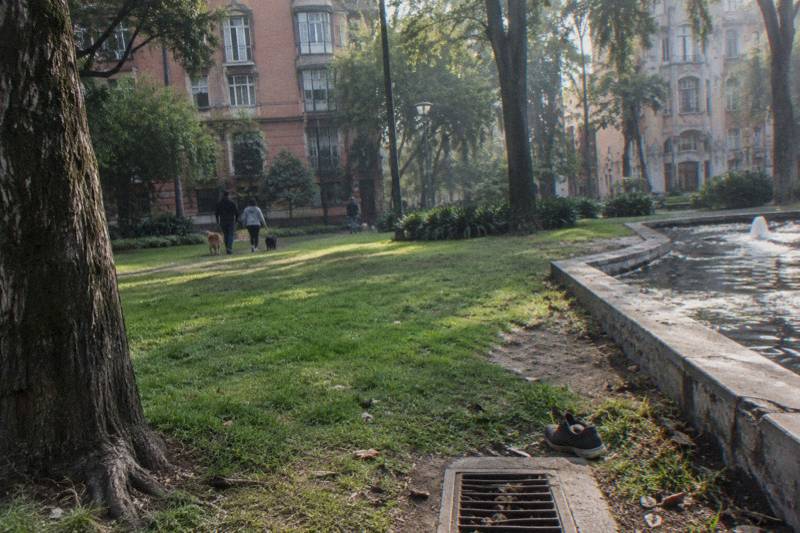
Free Things To Do In Mexico City: The Honest 2026 Guide
Mexico City gives away an unusual amount of itself: plazas, forests, markets and a set of museums with real free days, plus 24 pay-what-you-want walking tours. Here is what is actually free, what quietly costs money, and how to tell the two apart.
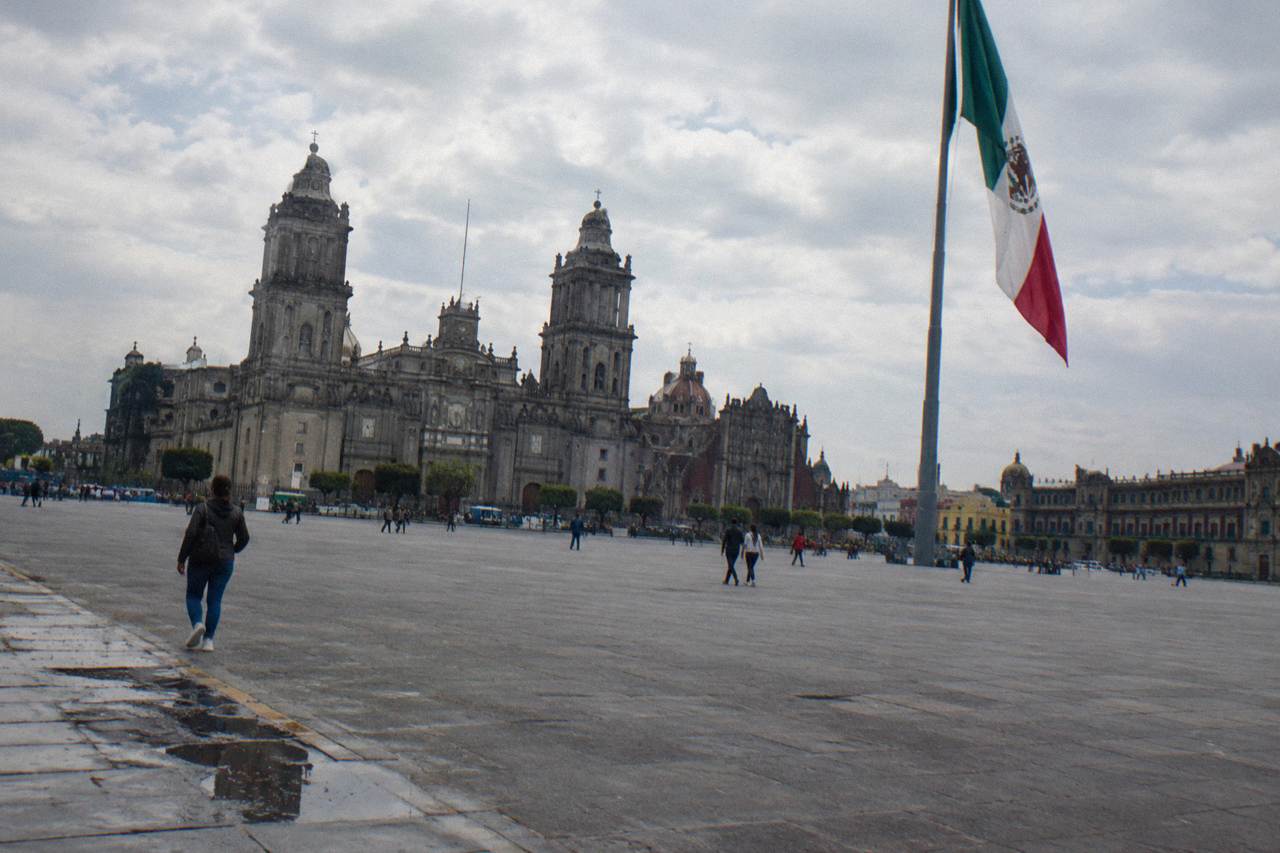
In Short
Yes, much of Mexico City is genuinely free: the Zócalo, Alameda Central, Chapultepec forest, the Soumaya and Jumex museums, and the Sunday and Thursday free days at other museums. Free has conditions: INAH sites such as Chapultepec Castle are free on Sundays only for Mexicans and foreign residents with ID, tourists pay MXN 210. Free walking tours are pay what you want, and 24 of them run across the city.
Part of the Free Things To Do In Mexico City guides series.
Quick Facts
| Question | Answer |
|---|---|
| What is free? | Zócalo, Alameda Central, Chapultepec forest (Second Section), Museo Soumaya (all sites), Museo Jumex, Basílica de Guadalupe, public markets |
| Who is Sunday free for at INAH sites? | Mexicans and foreign residents with ID only; tourists pay (Chapultepec Castle MXN 210, Tlatelolco MXN 155) |
| Which museums are free to everyone on Sundays? | Palacio de Bellas Artes and Museo de Arte Moderno, plus Museo Tamayo |
| What costs money? | Castillo de Chapultepec (MXN 210), Museo Frida Kahlo (MXN 320, online only), Torre Latinoamericana mirador, trajinera boats at Xochimilco |
| Closing day to remember | Mondays: Jumex, Tamayo, Frida Kahlo, Franz Mayer and every INAH museum |
| Free walking tours | 24 pay-what-you-want walks, mostly on GuruWalk, three listed on freetour.com |
Is Mexico City Really Free To Visit?
Yes, many of Mexico City's best-known sights are genuinely free to visit: the Zócalo and its surrounding plazas cost nothing, Chapultepec's forest is free to enter, and museums like the Soumaya and the Jumex charge nothing on any open day, though some free museum days apply only to Mexicans and foreign residents with ID, several famous museums have no free day at all, and free walking tours are pay what you want rather than zero cost.
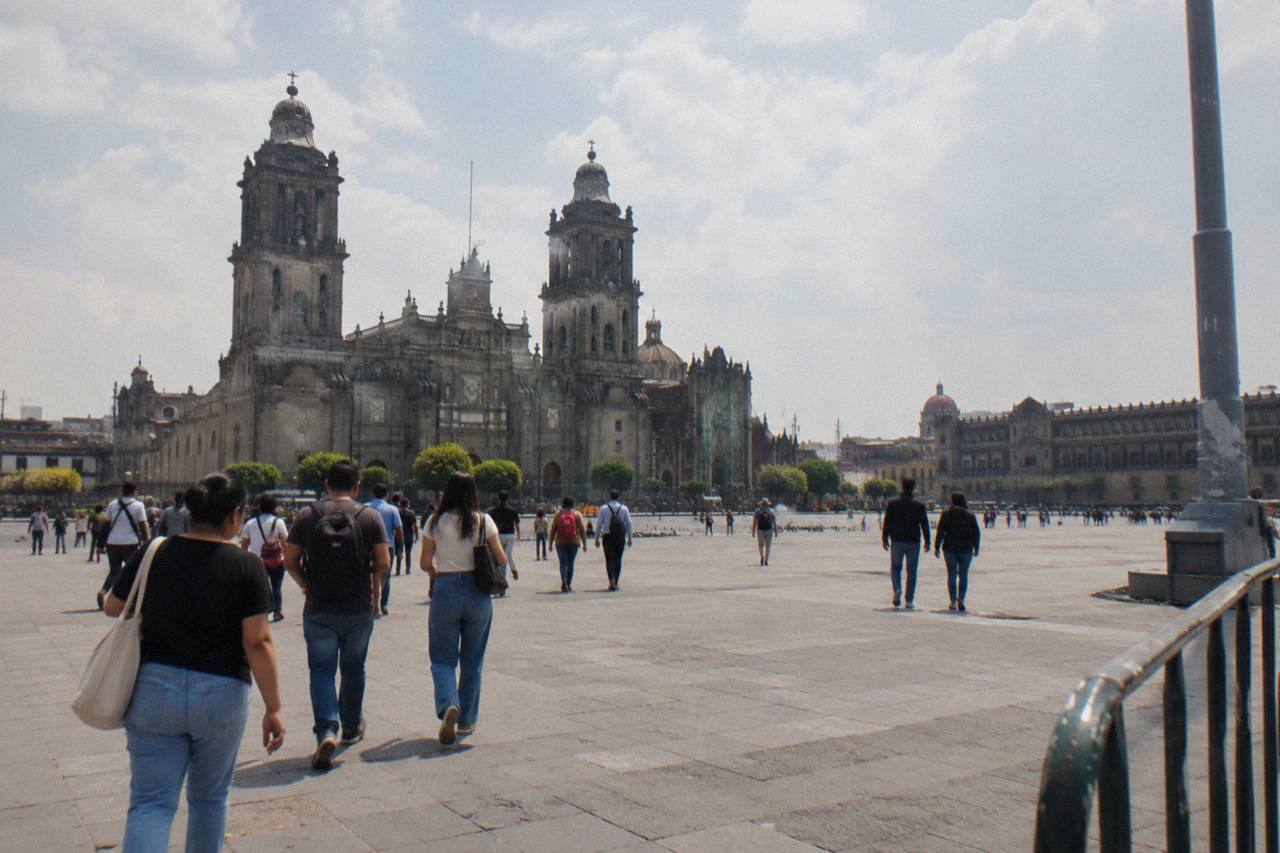
Start with the plaza itself. The Zócalo, formally the Plaza de la Constitución, is an open public square: no gate, no ticket, no hours beyond the city's own use of the space for events. The same goes for the Alameda Central a few blocks west, for Avenida Madero, for Plaza Garibaldi and for Plaza de Santo Domingo. These are the bones of a free day in the Centro Histórico, and they connect to each other on foot. The Free Things To Do In Mexico City directory exists precisely because the free layer of this city is thick enough to plan whole days around it, if you know which parts carry conditions.
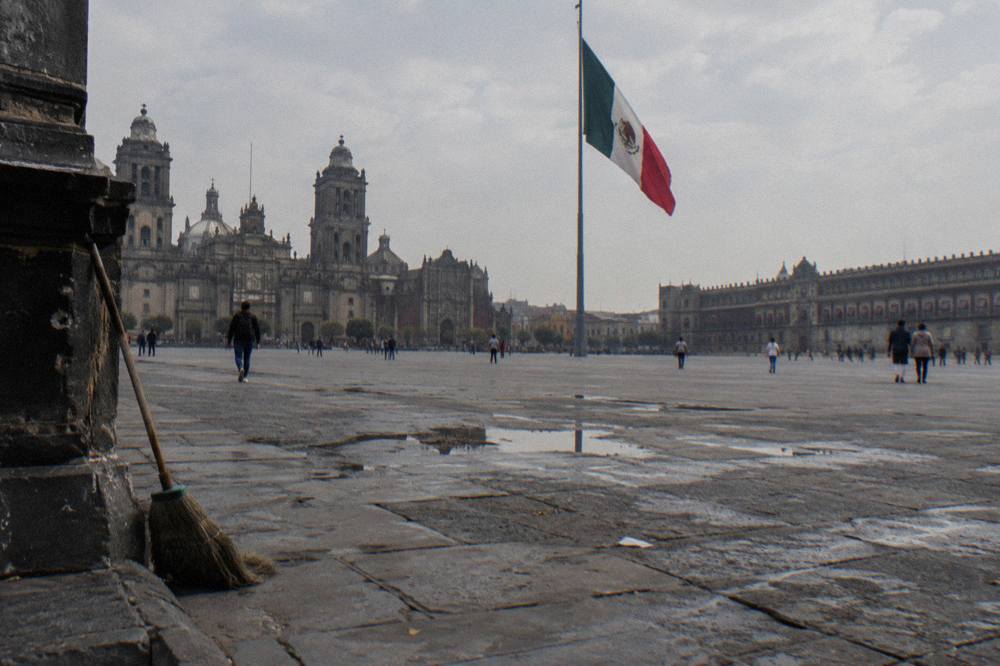
The museum layer splits into regimes that are worth learning early, because they do not merge. The Fundación Carlos Slim runs the Museo Soumaya, and all its sites, including Plaza Carso and Plaza Loreto, are free to everyone on open days, with Plaza Loreto closed Tuesdays. The Fundación Jumex museum next to Plaza Carso is free every open day and closed Mondays. Then there are the conditional museums: the Palacio de Bellas Artes is MXN 95 with Sunday free for everyone, ticket at the box office only, no online booking. The Museo Nacional de Arte (MUNAL) is MXN 95 with Sunday free only for Mexican nationals and foreign residents with ID, not for tourists. The Museo Tamayo is free on Sundays for all and MXN 95 on other days. The MUAC is free on Thursdays from 18:00 to 20:00 and MXN 60 otherwise, and the Museo del Chopo is free on Wednesdays. Each rule belongs to its operator, so a Sunday plan has to be built museum by museum rather than assumed.
| Operator | Museums | Free rule | Condition |
|---|---|---|---|
| Fundación Carlos Slim | Museo Soumaya (all sites) | Free every open day | Plaza Loreto closed Tuesdays |
| Fundación Jumex | Museo Jumex | Free every open day | Closed Mondays |
| INBAL | Bellas Artes, Museo de Arte Moderno | Sunday free | Free for everyone; MXN 95 other days |
| INAH | Antropología, Templo Mayor, Castillo de Chapultepec, Tlatelolco, Teotihuacan | Sunday free | Mexicans and foreign residents with ID only; tourists pay MXN 210 (MXN 155 at Tlatelolco); museums closed Mondays; Tlatelolco and Teotihuacan open daily |
| UNAM | MUAC, Museo del Chopo | MUAC Thursday free 18:00 to 20:00, Chopo Wednesday free | MUAC MXN 60 otherwise |
| Private foundations | Frida Kahlo, Franz Mayer, Memoria y Tolerancia, Dolores Olmedo | No free day found | Paid entry on every open day |
The INAH group is the one that trips people up most, so state it plainly: the Sunday free entry at INAH sites, which include the Museo Nacional de Antropología, the Museo del Templo Mayor, the Castillo de Chapultepec, Tlatelolco and Teotihuacan, applies to Mexicans and foreign residents with ID. Tourists pay, MXN 210 at the Castillo and most sites, MXN 155 at Tlatelolco. Every one of these sites closes Mondays. The Museo Tamayo's own site is a good model of how clearly the official pages state their own rules, and it is worth checking a museum's page before you build a day around a free day you read about secondhand.
Then there are the walking tours, which are the focus of much of this site. Every walk listed here is free in the pay-what-you-want sense: the guide runs the walk, and you pay what you think it was worth at the end. The Two-and-a-Half-Hour Introduction run by Kactus is the busiest of them, 4.82 out of 5 across 4,138 GuruWalk reviews, meeting at the Plaza de la Constitución, Zócalo, and running 2 hours 30 minutes in English and Spanish. It is a natural first morning in the city. How the pay-what-you-want model works in practice, and what a fair tip looks like, is covered in the how free walking tours work guide and the tipping guide.
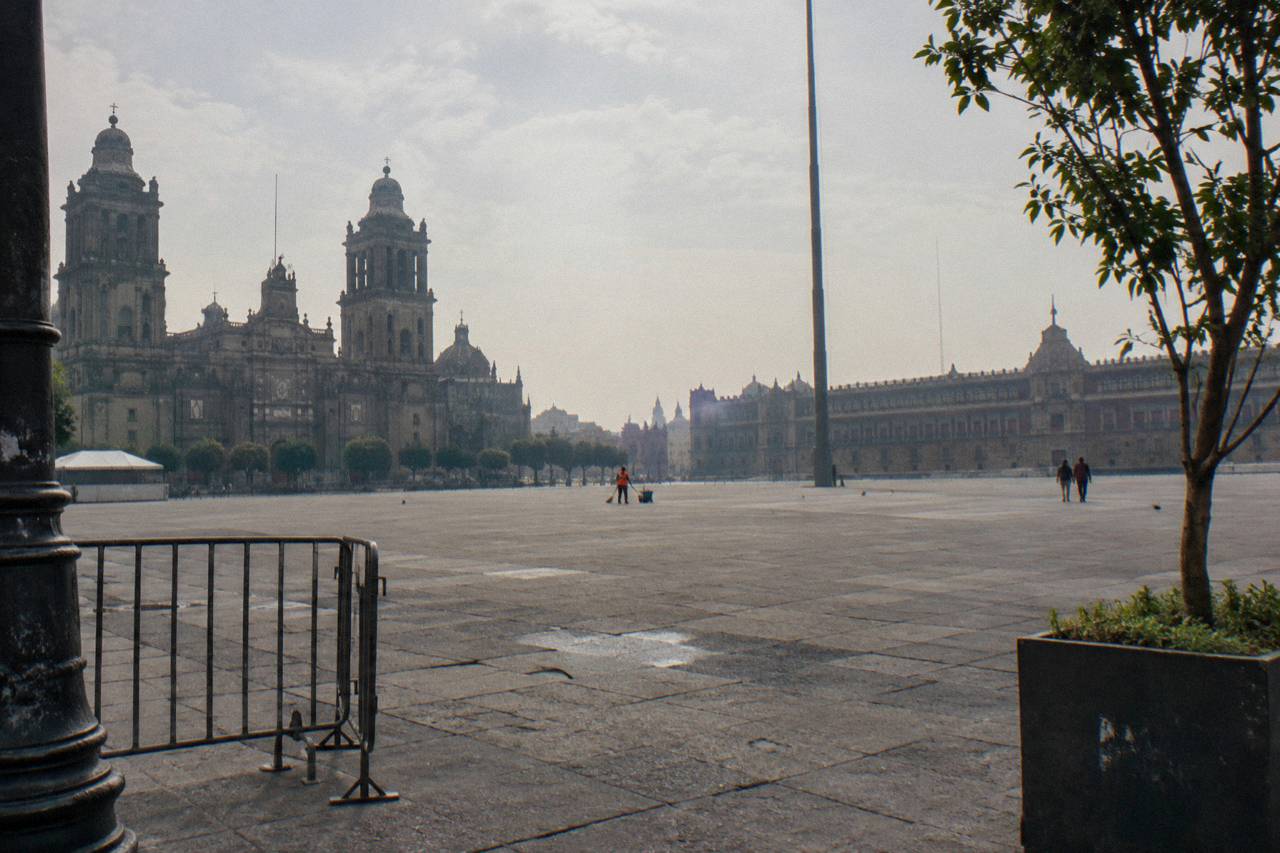
Beyond the tours and the museums, the free layer includes places people often assume charge: the Basílica de Guadalupe is free to enter, the archaeological zone of Cuicuilco is free, the Complejo Cultural Los Pinos in Chapultepec is free, and the Biblioteca Vasconcelos states that all its services and activities are free. The public markets, from the Mercado de la Merced to the Mercado de San Juan to the Mercado Medellín, are free to walk through, which is not nothing in a city whose markets are among its best free theatre. The distinction that matters everywhere is the one this guide keeps returning to: free place, paid part. Learn that pattern and almost nothing in Mexico City will surprise you at the door.
What Else Is Free Beyond The Big Sights?
Near the free core, you can visit Chapultepec's Second Section, the Ángel de la Independencia, the Plaza de la República, the Centro Histórico's plazas, Coyoacán's Plaza Hidalgo and market, and the parks of Roma and Condesa, plus the free museum pair of the Museo Soumaya at Plaza Carso and the Museo Jumex beside it, all close to the free walking tours' meeting points in the Centro Histórico, Coyoacán, Roma and Condesa.
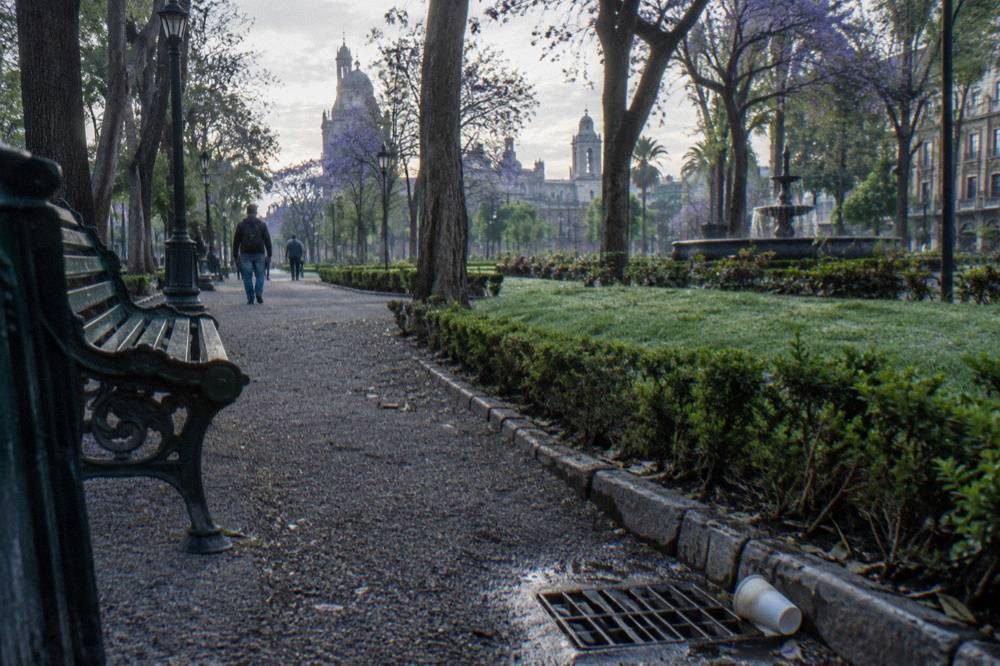
Work outward from the Zócalo. The Centro Histórico alone holds the Alameda Central, Avenida Madero, Plaza de Santo Domingo and Plaza Garibaldi as free public spaces, all within the same walkable core. The Alameda Central is covered in its own Alameda Central guide, and the Zócalo in its own Zócalo guide, so use those for the detail. What matters for a free plan is that this cluster costs nothing and connects to the conditional museums: Bellas Artes sits on the Alameda's east side, MUNAL is a few blocks north, and the Museo del Templo Mayor sits right against the Zócalo's northeast corner with its own contested Sunday rule.
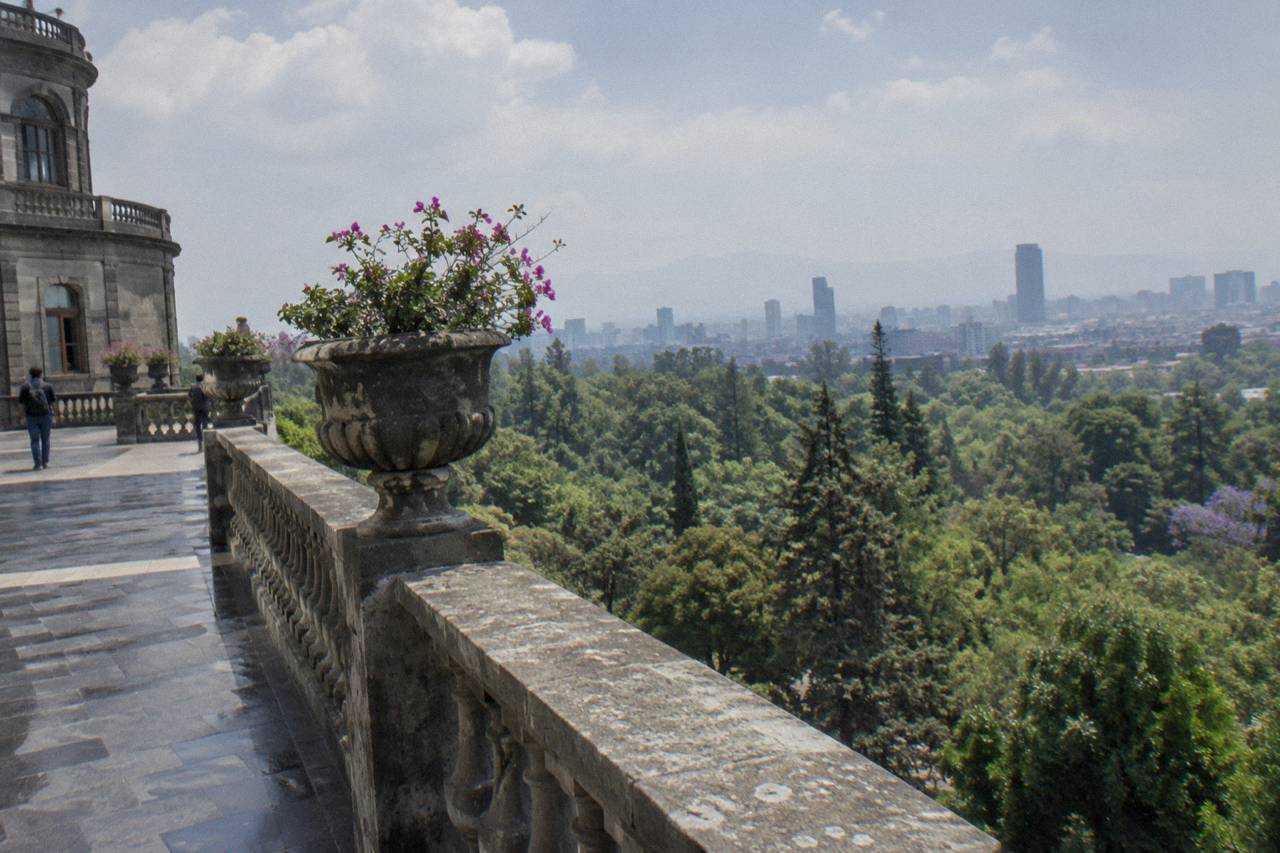
West along Paseo de la Reforma, the Ángel de la Independencia stands in a free public roundabout, and the avenue continues to the Bosque de Chapultepec. The forest's Second Section is free; the First Section's own Monday closure is stated inconsistently across sources, so treat the forest's Monday status as unsettled and plan around it. Inside the First Section, the free layer and the paid layer sit on top of each other: the forest is free to enter, the Castillo de Chapultepec costs MXN 210 and closes Mondays, and the Lago de Chapultepec boats are paid. The whole split is laid out in the Chapultepec Castle and park guide.
Across Reforma from the forest, Plaza Carso holds the Museo Soumaya, free every open day, and the Museo Jumex, free and closed Mondays. This is the single densest free museum pairing in the city, and through winter the Jumex runs shows including Richard Prince to 7 February 2027 and El don de lenguas from 27 November 2026 to 28 February 2027, with free family programming on selected Sundays, per the foundation's own page. A free Reforma day can stack the Ángel, the forest's free paths and both museums without a single ticket.
South of the centre, the free layer continues. Coyoacán gives you Plaza Hidalgo, the Mercado de Coyoacán and the Viveros de Coyoocán nurseries, all free, though the Museo Frida Kahlo in the same neighbourhood is firmly paid, MXN 320, online tickets only, and the Casa Azul is treated as a paid museum on every Coyoacán walk. Roma Norte and Condesa contribute Parque México and Plaza Río de Janeiro. San Ángel adds the Bazar del Sábado, free to browse. The south is also where the pay-what-you-want walks thicken: several free walks through Coyoacán, San Ángel, Roma and Condesa cover these neighbourhoods on foot, all run on GuruWalk by independent local guides.
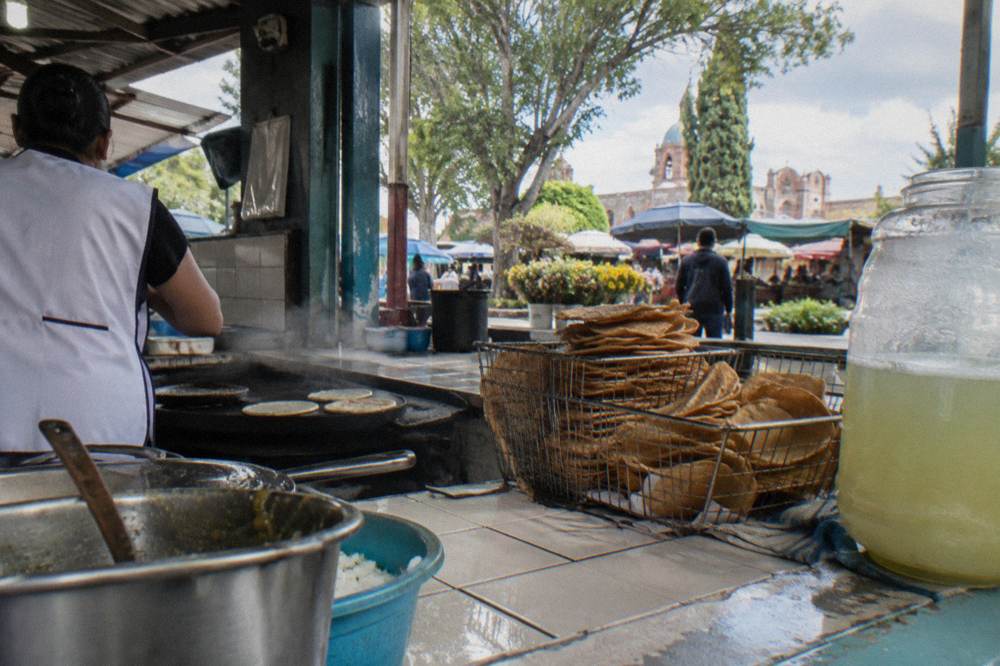
The walks above are a good way to convert the southern free layer into a structured morning: the Coyoacán walks meet in Del Carmen, the Roma and Condesa walk meets at Avenida Cuauhtémoc 19, Roma Norte, and each runs about two hours in English. None of them charges a fixed price. Beyond the neighbourhoods, the markets deserve their own mention: the free markets guide walks through the Merced, San Juan, Jamaica, Sonora, Medellín and La Ciudadela, every one free to enter, with the La Ciudadela market question answered separately. Add the Basílica de Guadalupe in the north, free to enter, and the free archaeological zone at Cuicuilco, and the free map of the city is genuinely larger than the paid one.
What Still Costs Money Around The Big Sights?
The paid layer inside free places is consistent: Chapultepec forest is free but the Castillo costs MXN 210, the Torre Latinoamericana's street level is free but the mirador is paid, and the Xochimilco embarcaderos are free to walk while trajinera boats are paid. Whole museums are simply paid: Frida Kahlo MXN 320 online only, Franz Mayer MXN 130, Memoria y Tolerancia MXN 160, Dolores Olmedo about MXN 430. The INAH sites charge tourists even on Sundays.
The "free place, paid part" pattern is the single most useful mental model for budgeting here, so it deserves a table of its own:
| Free part | Paid part inside it |
|---|---|
| Bosque de Chapultepec | Castillo de Chapultepec, MXN 210, closed Mondays |
| Torre Latinoamericana street level | Mirador, price on the official page only |
| Plaza de la República | Monumento a la Revolución mirador, ticketed |
| Plaza de las Tres Culturas | Tlatelolco archaeological zone, MXN 155 |
| Xochimilco embarcaderos | Trajinera boat ride, paid |
| Centro Histórico plazas | Torre Latinoamericana mirador above |
Then the fully paid museums, none of which has a free day: the Museo Frida Kahlo at MXN 320 with online-only tickets (no in-person sales), closed Mondays, also closed 1 January 2027, and with 24 and 31 December closing at 14:00; the ticket includes the Museo Anahuacalli. Museo Franz Mayer is MXN 130, open 10:00 to 17:00 and closed Mondays, with its IA: Más que humano exhibition running to 4 April 2027 per its own site. Museo Memoria y Tolerancia is MXN 160. Museo Dolores Olmedo is about MXN 430, with no free day, under-6s free. Noche de Museos, the last-Wednesday evening museum event, is not free: standard or reduced prices apply.

The INAH Sunday rule deserves its own sentence because so much bad advice skips it: Sunday free entry at the Museo Nacional de Antropología, Templo Mayor, Castillo de Chapultepec, Tlatelolco and Teotihuacan is for Mexicans and foreign residents with ID, and tourists pay the standard price. The museums among them close Mondays, while Tlatelolco and Teotihuacan open daily. The Templo Mayor rule is stated inconsistently between INAH pages, so say Mexicans, and residents with ID per INAH policy, and no more; the detail sits in the is Templo Mayor free answer. The are museums free on Sundays post untangles the whole Sunday landscape.
The walking tours sit in a different category again: the guiding itself costs nothing up front on every walk in this directory, but a handful carry extra costs stated on their listings. The street-food and taco walks, the cable-car walk and the Spanish-only Anthropology and Coyoacán walks note additional costs for food, the cable car or museum entry, bought separately from whatever you tip the guide. Those are still pay-what-you-want tours; they are not fully free experiences. Never assume a market walk includes lunch.
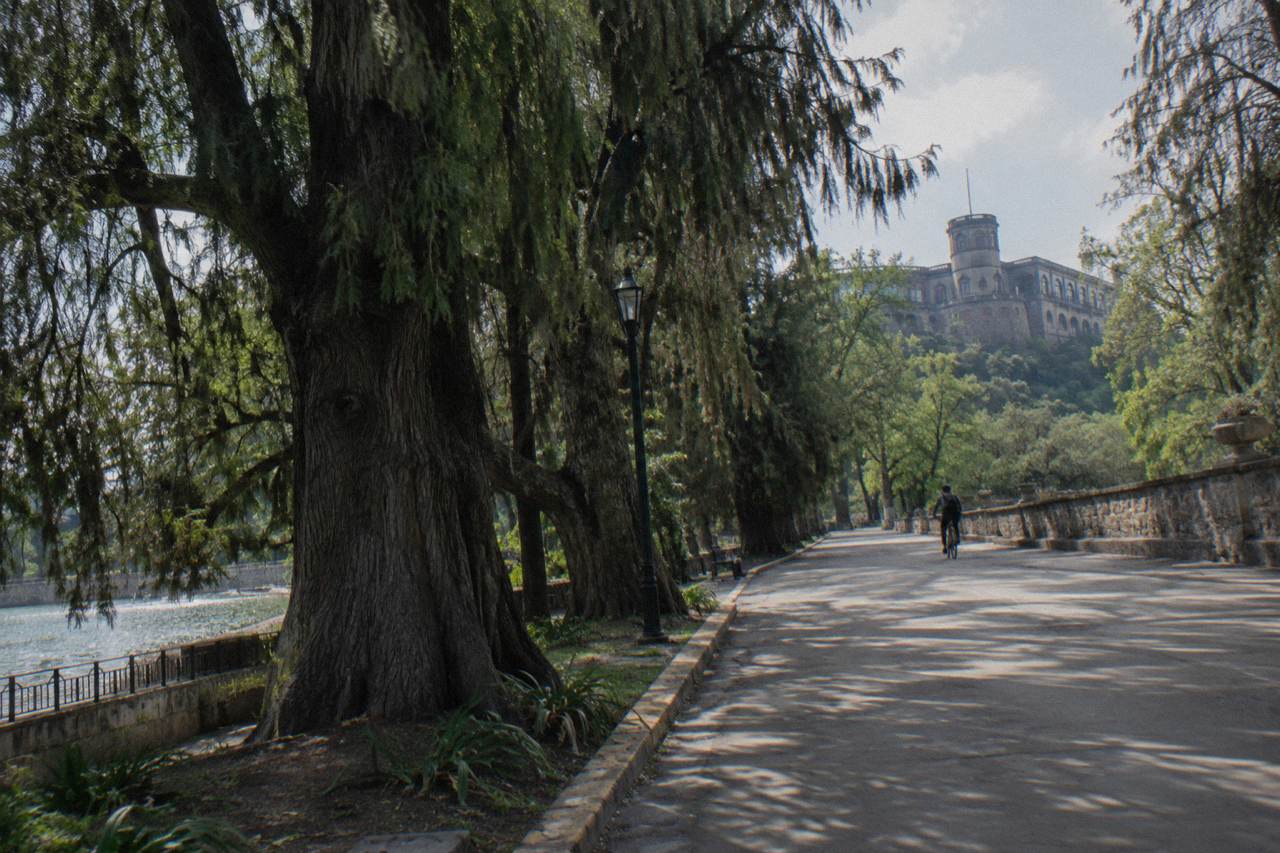
One more paid item people ask about: Ecobici, the city's bike-share, is a paid service, with day plans at MXN 134 for one day, MXN 263 for three days and MXN 441 for seven days per the official Ecobici page. And the Lucha Libre at Arena México is a ticketed event, not a free show, as the is Lucha Libre free answer explains. Knowing the paid layer is not pessimism; it is what lets you spend deliberately on the two or three things worth paying for, such as the Castillo's view or a trajinera at Xochimilco, and take the rest free.
When Is The Best Time To See The Free Walks?
The best time for free things in Mexico City is Sunday, when Bellas Artes, the Museo de Arte Moderno and the Museo Tamayo are free to everyone, with bonus windows on Thursday evenings at MUAC from 18:00 to 20:00 and Wednesdays at the Museo del Chopo. Skip Mondays entirely, since Jumex, Tamayo, Franz Mayer, Frida Kahlo and every INAH museum close, and aim for late October to early November if you want Day of the Dead.
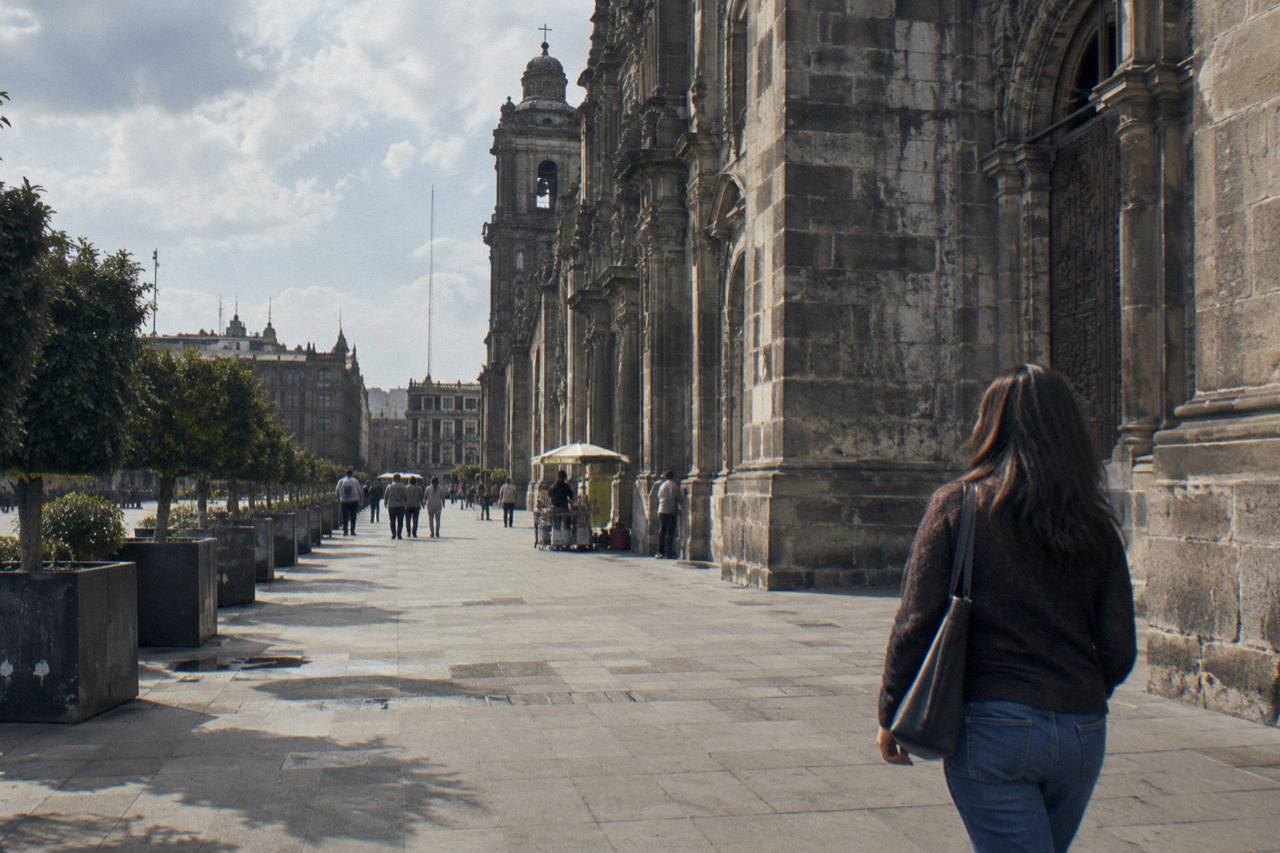
Build the week around the closing day first. Monday is the dead zone for culture: the INAH museums, Jumex, Tamayo, Franz Mayer and the Frida Kahlo museum all close, so it is the day for Chapultepec's open sections, the markets, the plazas and the neighbourhoods rather than the museums. Sunday is the strongest museum day but only if you sort the regimes: Sunday at Bellas Artes, the Museo de Arte Moderno or the Tamayo is free for everyone; Sunday at the Antropología or the Castillo is free only for Mexicans and foreign residents with ID, and tourists pay. The Colegio de San Ildefonso is free on Sundays and MXN 50 otherwise, and its UNAM exhibition runs October 2026 to March 2027.
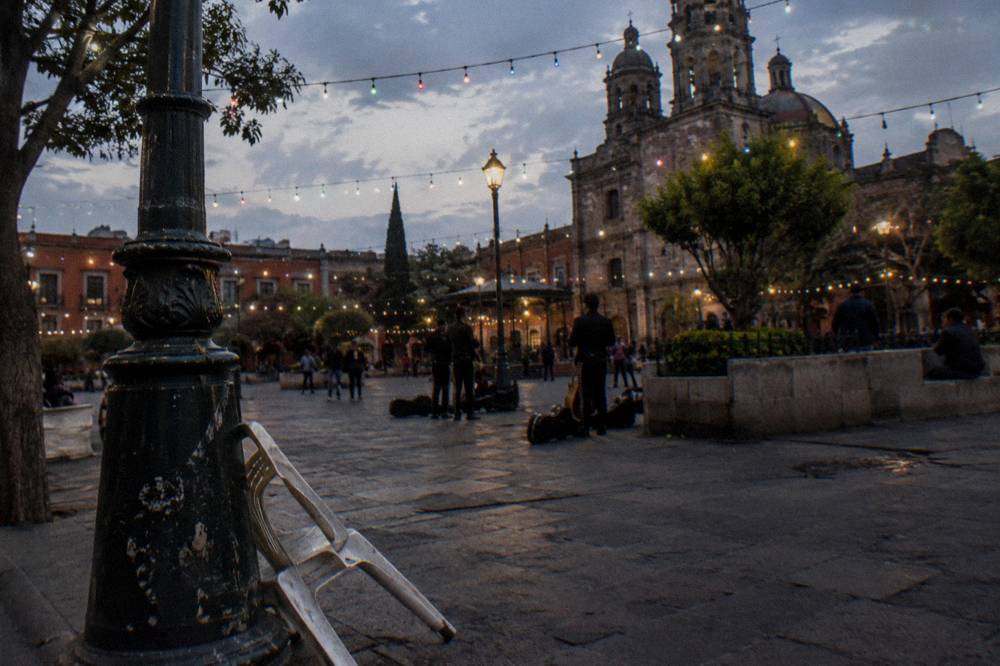
Within the week, Thursday evening is an underrated slot: the MUAC is free from 18:00 to 20:00, and the Frida Kahlo museum runs a late Thursday opening to 21:00 for those who have bought the paid ticket online. The Museo del Chopo, free on Wednesdays, opens Wednesday to Sunday 11:00 to 18:00. The Museo Tamayo's hours after its installation closure are 10:00 to 18:00 Tuesday to Sunday, free on Sundays for all, per the museum's own banner wording. Fold these into the free Sunday activities framework rather than treating every museum as a daily option.
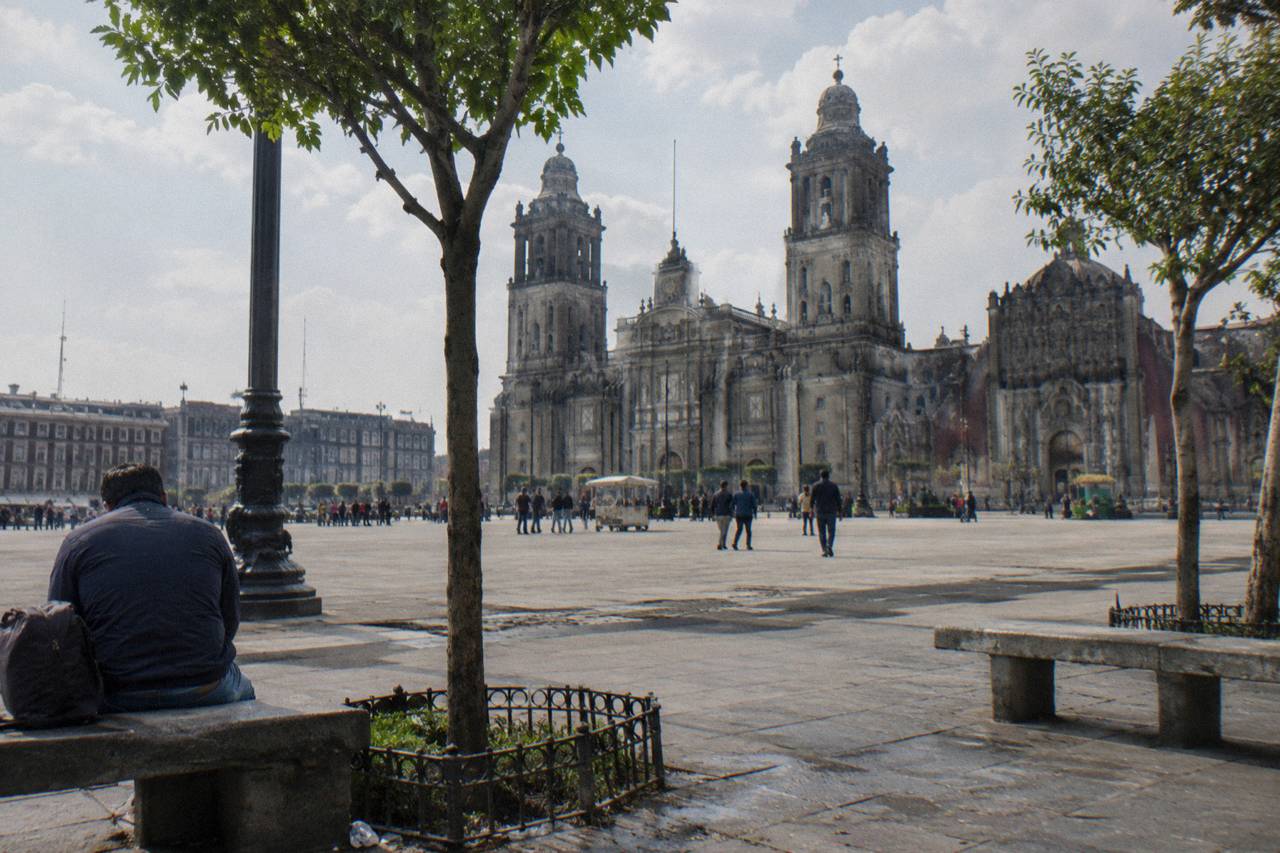
Seasonally, the big free spectacle is Day of the Dead. The 2026 edition has ended: the Reforma flower festival ran 18 October to 1 November, the Gran Desfile ran Saturday 31 October at 14:00 from Paseo de la Reforma to the Zócalo, the Ofrenda Monumental in the Zócalo ran 29 October to 2 November, and community ofrendas stood at 12 sites including the Plaza de las Tres Culturas, per the official city visitor guide. Nothing is announced for 2027 yet; expect similar dates in late October and early November, and treat the is the Day of the Dead parade free answer as the standing reference. December brings a described free festival in the Zócalo, 16 to 31 December, 12:00 to 21:00, with a ferris wheel and snow slide, but the current official page text is not a settled 2026 confirmation, so check the city's guide before promising anyone a ferris wheel.
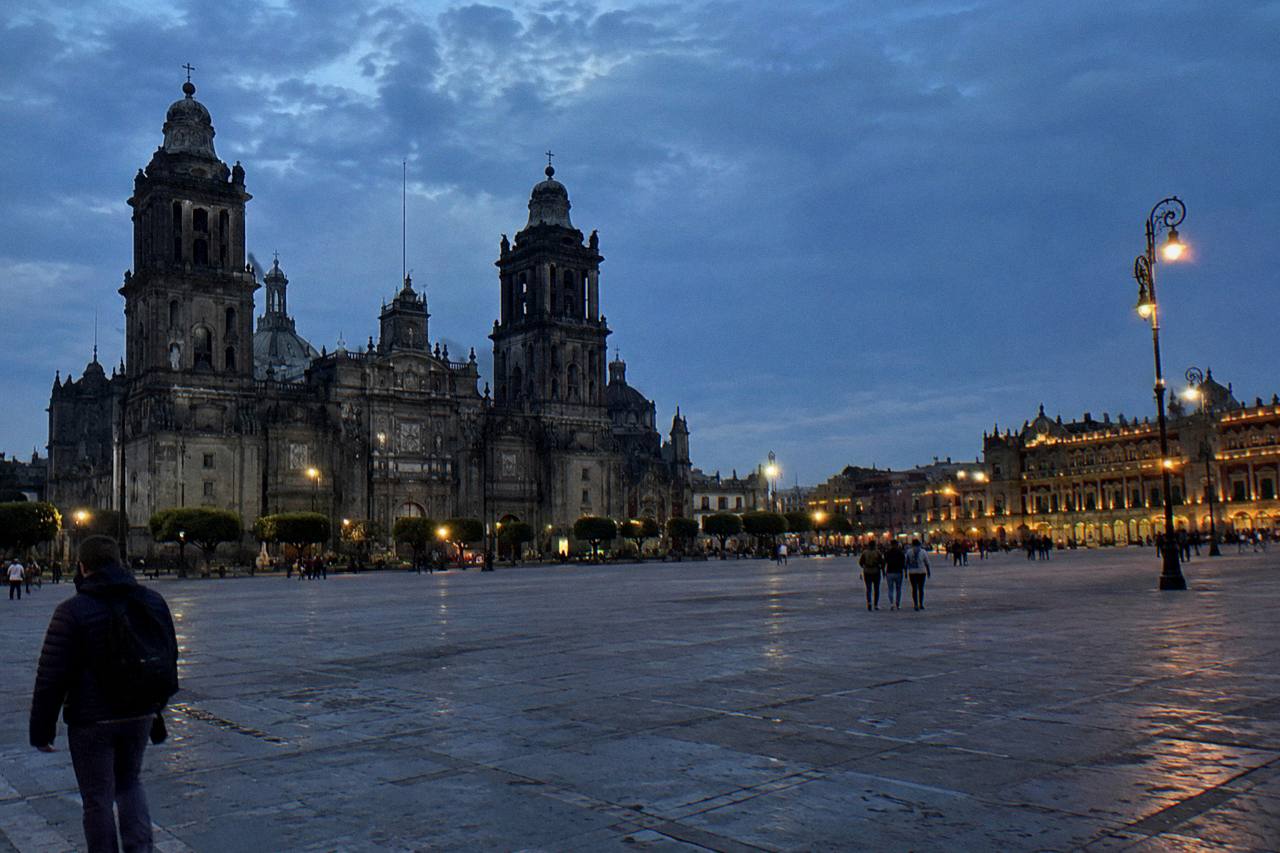
For the walking tours, timing is simpler: they run year-round on their own schedules, and every meeting point listed here is a public place, from the Plaza de la Constitución to Calle Florencia 39 in the Zona Rosa. The only seasonal timing note that matters is that festival weeks fill the Zócalo itself, which changes the square a walk meets in without changing the meeting point. Booking a pay-what-you-want walk costs nothing up front and can usually be cancelled, which makes it the lowest-risk item in any itinerary.
How Do You Pair These Free Stops With Paid Sights?
The efficient free days combine one plaza cluster, one museum regime and one walk: the Centro Histórico's plazas with the Zócalo-meeting tours and the Sunday-conditional museums; Chapultepec's forest with Soumaya and Jumex across Reforma; Coyoacán's free plazas and market with the Del Carmen walks; Roma and Condesa's parks with the Avenida Cuauhtémoc walk. Stacking free museums works best on Sunday, when Bellas Artes and the Museo de Arte Moderno are free to everyone.
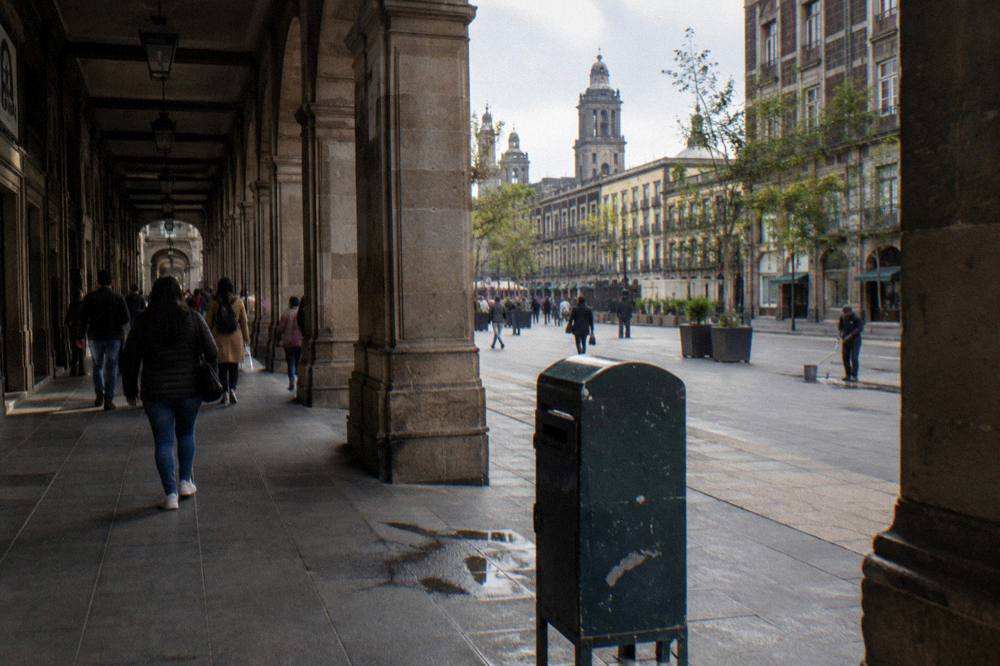
The classic free day is the Centro Histórico: the Zócalo, Avenida Madero and the Alameda Central cost nothing and hold, at their edges, the conditional museums. A morning pay-what-you-want walk anchors it, and the Centro Histórico has the deepest bench of them, several meeting at the Plaza de la Constitución or within a few blocks. The Estación Historic Center Walk, 4.83 out of 5 across 2,838 GuruWalk reviews, runs 2 hours from the Metropolitan Cathedral, Zócalo, in English and Spanish. Afternoon options then split by day and by who you are: Bellas Artes at MXN 95 or free to all on Sunday; MUNAL at MXN 95, Sunday free only for Mexican nationals and foreign residents with ID; the Templo Mayor museum with its contested Sunday rule as described earlier.
The second stack is the Reforma and Chapultepec day: the Ángel de la Independencia roundabout, the Bosque de Chapultepec's free sections, the free Complejo Cultural Los Pinos inside the park, then Plaza Carso's Soumaya and Jumex pair, both free on open days. The paid decision here is the Castillo, MXN 210, and it is a defensible spend, but the day works fully free if you skip it. The Reforma Essentials Walk, 4.84 out of 5 across 433 GuruWalk reviews, meets at Calle Florencia 39, Zona Rosa, and covers this axis in 2 hours in English and Spanish. Note the Monday problem twice over: the Castillo and Jumex both close.
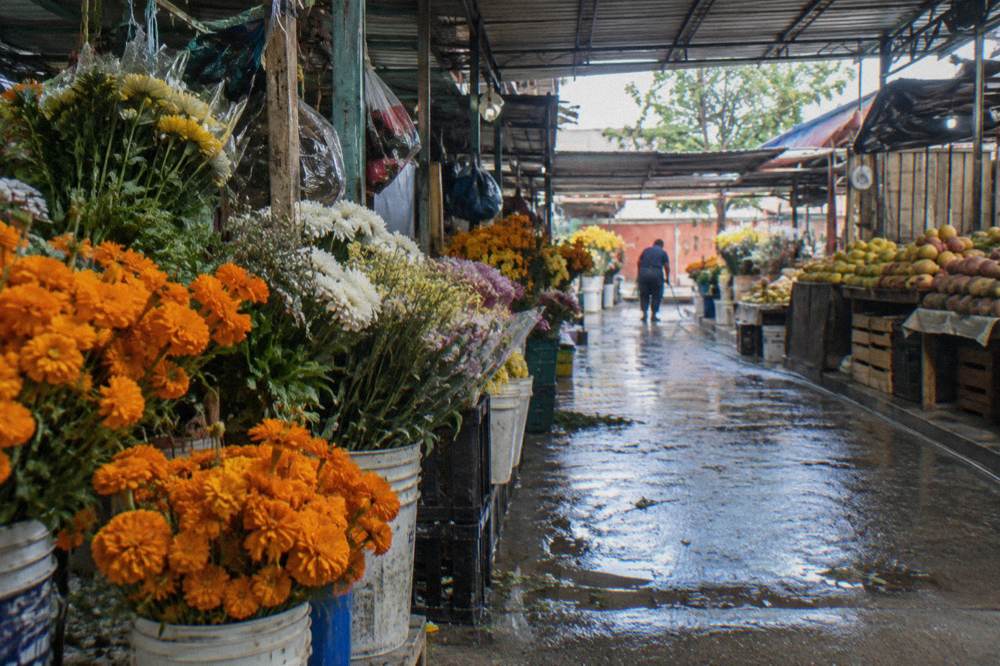
The third stack is southern: Coyoacán's Plaza Hidalgo, the Mercado de Coyoacán and the Viveros, optionally strung toward San Ángel's Bazar del Sábado on a Saturday. The Coyoacán walks meet in Del Carmen and treat the Casa Azul as a paid museum, MXN 320 online only, so the free version of this day is the neighbourhood itself. The fourth stack is the food-and-market axis, covered in the tacos, markets and street food territory: the Merced and San Juan markets are free to walk, and the pay-what-you-want market walks state on their listings that food is bought separately. Whatever the stack, the discipline is the same: one conditional museum per day, checked against its own operator's rule, and the plazas and walks filling the rest.
Which Free Walks Start Near The Big Free Stops?
The 24 walks in this directory meet across the city: several in the Centro Histórico at the Plaza de la Constitución and the Metropolitan Cathedral, others in Coyoacán's Del Carmen, Roma Norte, the Zona Rosa, Mixcoac, Narvarte and Santa María la Ribera. Most run on GuruWalk; three are listed on freetour.com. All are pay what you want, with each walk's own listing stating language, duration and any extra costs such as food or museum entry.
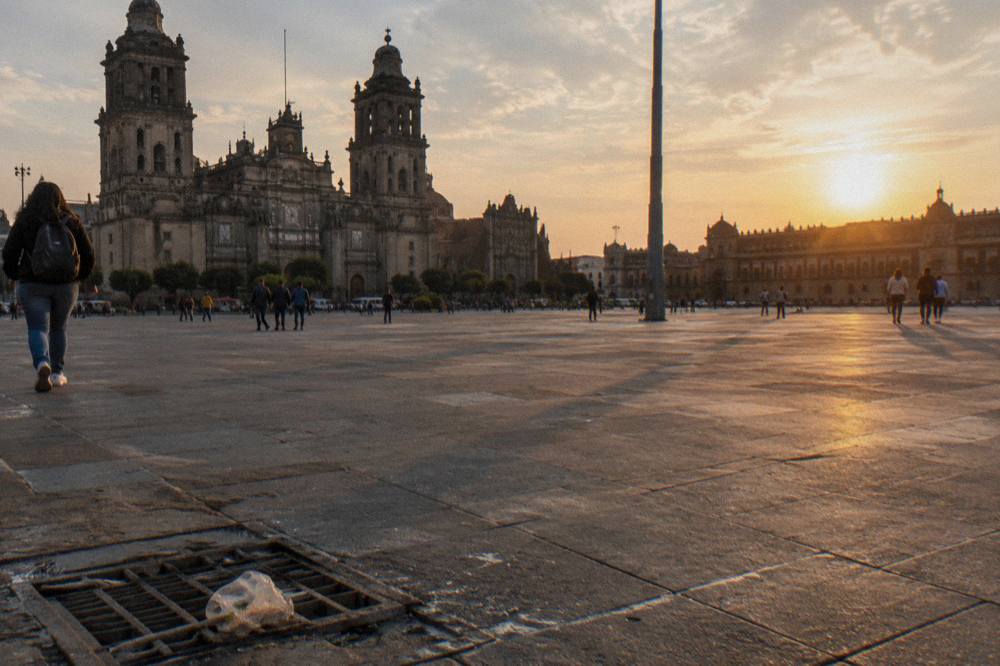
The Centro Histórico is where the choice is widest, and the three strongest English-capable options there make the decision easy. The Two-and-a-Half-Hour Introduction by Kactus, 4.82 out of 5 across 4,138 GuruWalk reviews, meets at the Plaza de la Constitución, Zócalo. The Estación Historic Center Walk, covered above, meets at the Metropolitan Cathedral. And the Historic Center With a Historian walk, run by Free Tour Europe, 4.91 out of 5 across 1,360 GuruWalk reviews, runs 2 hours 15 minutes in German, English and Spanish, also from the Plaza de la Constitución. All are GuruWalk listings run by independent local guides; this site neither operates nor is affiliated with GuruWalk.
Beyond those, the Centro Histórico walks listed here include the History, Art and Cuisine Walk by Andares Free Walking Tour, 4.86 out of 5 across 520 GuruWalk reviews, meeting at República de Guatemala 4 in English, plus a set of walks with their own pages elsewhere: the Downtown Secrets Walk, 9.8 out of 10 across 205 reviews, meeting at Teatro Hidalgo, Avenida Hidalgo 23; the Ninety-Minute Tenochtitlan Tour; the English Legends and Myths Tour; the Three-Hour Che Guevara History walk; and a Myths and Legends walk with no reviews yet. These have their own pages and are not listed here, but they are real options, and the legends walk in English meets at Eje Central and Avenida Madero.
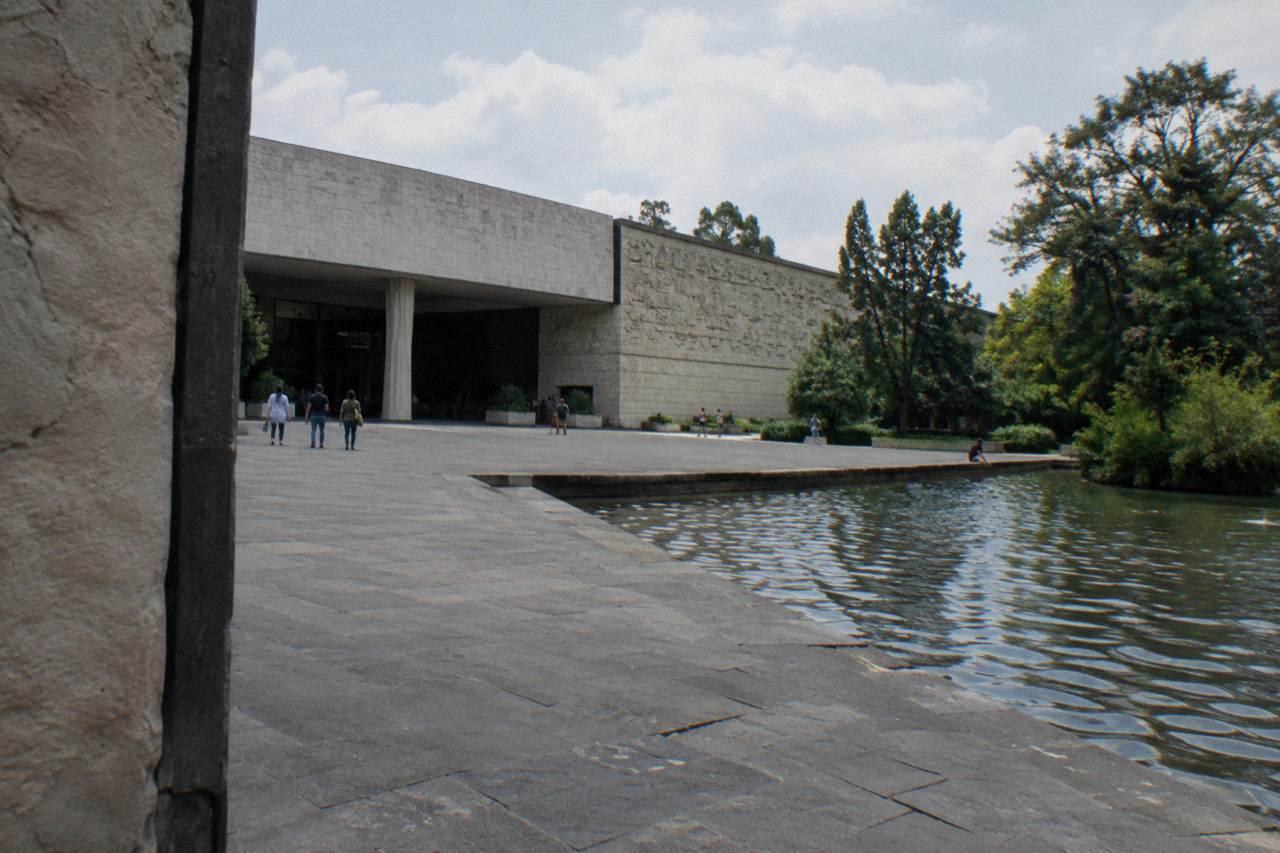
The rest of the map: Chapultepec and Reforma hold the Reforma Essentials Walk in the Zona Rosa and a Spanish-only Anthropology Museum walk meeting on Paseo de la Reforma, Polanco, the latter with museum entry as an extra cost on its GuruWalk page. Coyoacán and San Ángel hold the Del Carmen walks and the San Ángel and University City walk. Roma, Condesa and Juárez hold the Trendy Roma and Condesa walk. The food category spreads from Roma Norte to Mixcoac to Narvarte Poniente, and the hidden-neighbourhoods category includes the Cable Car and Urban Art walk from Bellas Artes, with the cable car as a stated extra cost, and the Santa María la Ribera Alternative, listed on freetour.com. Safety questions about the model are answered in the are free walking tours safe post.
Mistakes That Trip People Up On A Free Day
The mistakes repeat: assuming Sunday museum free days apply to tourists at INAH sites, planning museums on Mondays, expecting free entry at the Frida Kahlo museum, treating the Castillo as part of the free forest, and forgetting that food and cable cars on free walks are bought separately. Each of these has a specific correction, and each correction is a sentence you can plan around.
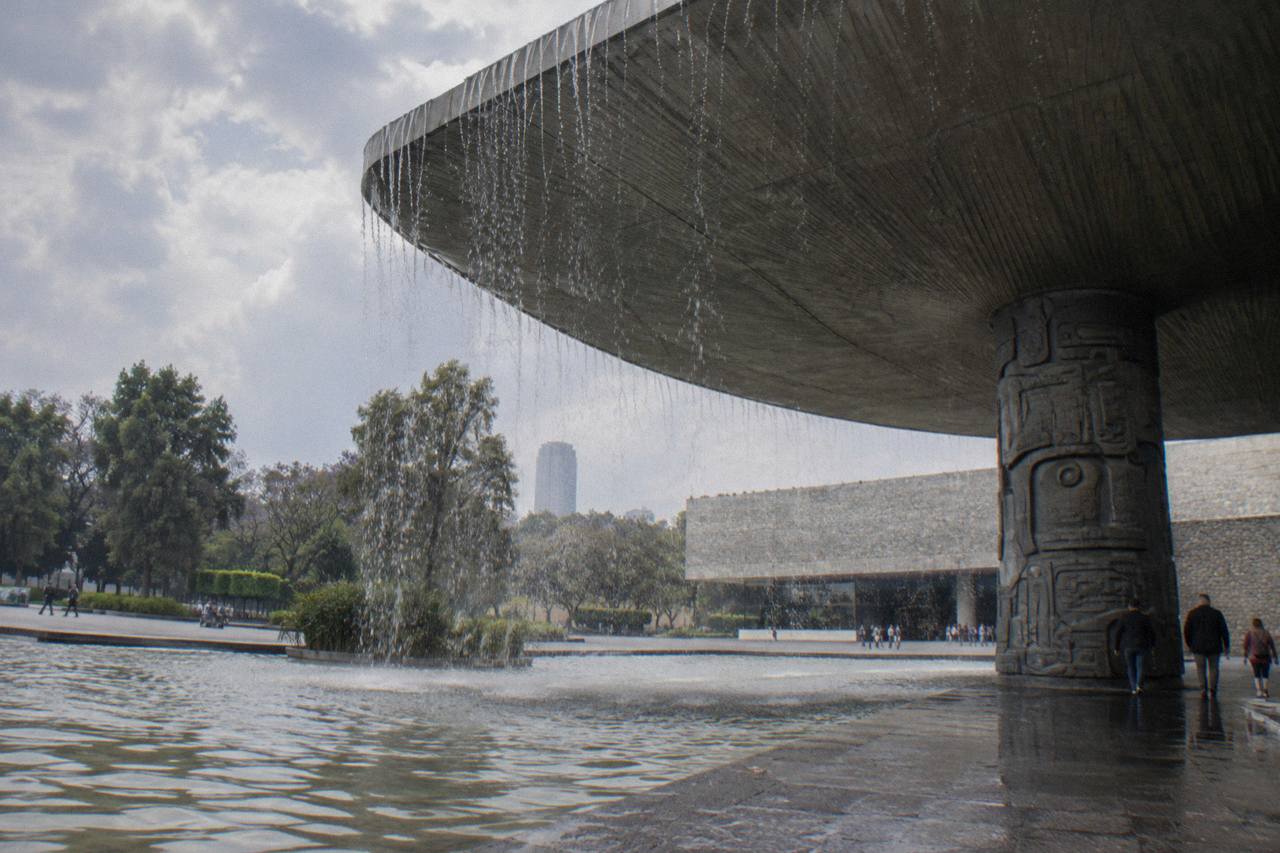
The INAH mistake is the most expensive. Tourists arrive on Sunday expecting a free Castillo or a free Anthropology museum, and pay MXN 210 anyway; the Sunday rule covers Mexicans and foreign residents with ID. The correction is to put Bellas Artes, the Museo de Arte Moderno or the Tamayo on your Sunday, since those are free to everyone, and take the INAH sites on a weekday you are paying for anyway. The second mistake is Monday: Jumex, Tamayo, Franz Mayer, Frida Kahlo and every INAH museum close, so Monday belongs to Chapultepec's open sections, the markets and the plazas.
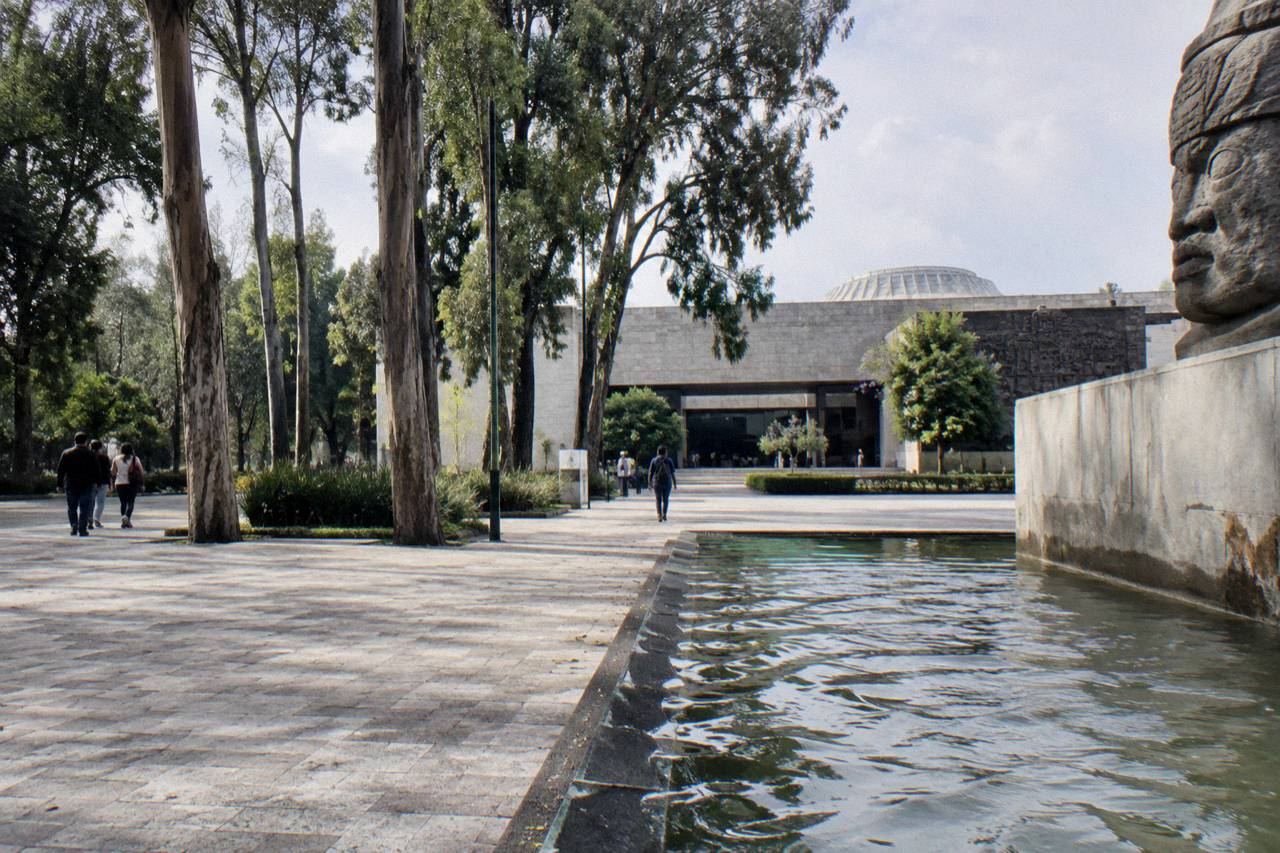
The third mistake is Frida. The Museo Frida Kahlo is MXN 320, sold online only with no in-person tickets, closed Mondays, and the ticket includes the Museo Anahuacalli; there is no free day and no at-the-door purchase. Coyoacán walks pass the Casa Azul as a paid museum, not as a stop you can drift into. The fourth is the forest-castle confusion inside Chapultepec, and its mirror images at the Torre Latinoamericana, the Monumento a la Revolución, the Plaza de las Tres Culturas and Xochimilco: free place, paid part, always two facts. The fifth is on the walks: a street-food or market walk's guiding is pay what you want while the food is bought separately, and the cable-car walk's ride is an extra cost stated on its GuruWalk page. Read the walk's own costs line before you assume lunch is included, and check a museum's own page before you build a day on a free day you heard about secondhand.
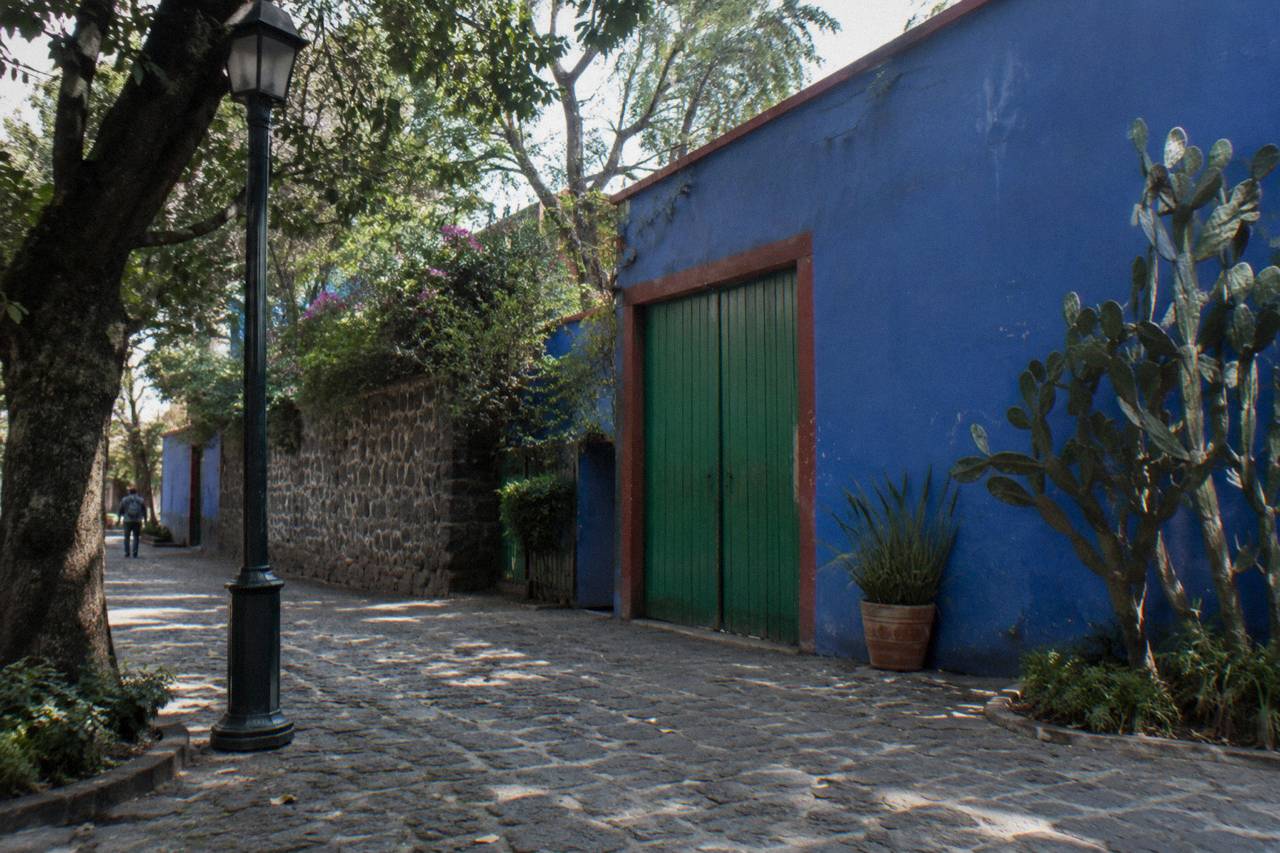
Those walks close the loop: a safety-focused taco walk in Roma Norte, an English-only history and cuisine walk from República de Guatemala 4, and the long Cable Car and Urban Art walk from Bellas Artes, each pay what you want on GuruWalk and each with its stated extras on its GuruWalk page. Between them and the free layer described above, a full week in Mexico City can run on plazas, forests, free museums, conditional Sundays and tips alone, with money spent only where a paid part genuinely earns it.
Common Questions About A Free Day In Mexico City
Is Mexico City Free To Visit?
The core sights are free: the Zócalo, Alameda Central, Chapultepec's forest, the Soumaya and Jumex museums and the public markets charge nothing. Museums run different regimes, with some free every day, some free on specific days, some free only for Mexicans and foreign residents with ID, and some, such as the Frida Kahlo museum, paid with no free day.
Are museums free on Sundays in Mexico City?
It depends on the operator. Bellas Artes, the Museo de Arte Moderno and the Museo Tamayo are free to everyone on Sundays. MUNAL is free on Sundays only for Mexican nationals and foreign residents with ID. INAH sites, including the Castillo de Chapultepec and the Anthropology museum, are free on Sundays for Mexicans and foreign residents with ID only; tourists pay.
What is free at Chapultepec?
The forest is free to enter, the Second Section is free, and the Complejo Cultural Los Pinos inside the park is free. The Castillo de Chapultepec costs MXN 210 and closes Mondays, with Sunday free entry limited to Mexicans and foreign residents with ID. The lake boats are also paid.
Is the Museo Frida Kahlo free?
No. The Casa Azul costs MXN 320, tickets are sold online only with no in-person sales, and it is closed Mondays. The ticket includes the Museo Anahuacalli. There is no free day; 24 and 31 December close at 14:00, and it is closed 1 January 2027.
How do free walking tours in Mexico City work?
Every walk in this directory's list of 24 is pay what you want: you reserve a spot, the guide runs the walk, and you tip what you choose at the end. Most are listed on GuruWalk and three on freetour.com, run by independent local guides. Some listings state extra costs for food, a cable car or museum entry, bought separately from the tip.
What museums in Mexico City are free every day?
The Museo Soumaya at all its sites, including Plaza Carso and Plaza Loreto (Plaza Loreto closed Tuesdays), and the Museo Jumex, closed Mondays, are free to everyone on open days. The Biblioteca Vasconcelos states all its services and activities are free. Most other museums are conditional or paid, with rules set by each operator.