Alameda Central: What Is Free And What Costs Money At Mexico City's Oldest Park
Alameda Central is Mexico City's oldest public park and it costs nothing to walk. The money decisions all sit at its edges, in the museums and miradors around it. Here is the honest split.
In Short
Alameda Central is free to enter, full stop: it is an open public park with no gate, ticket or hours to plan around. What costs money is everything around it. The Torre Latinoamericana mirador and the Monumento a la Revolución mirador are paid, and the Museo Franz Mayer charges MXN 130. Free options nearby include Avenida Madero, the Zócalo and Sunday entry at some, but not all, museums.
Part of the Free Things To Do In Mexico City guides, this one covers a single park and every money decision within walking distance of it.
Quick Facts
| Question | Answer |
|---|---|
| Is Alameda Central free? | Yes, free to enter, open public park |
| Who is it free for? | Everyone, no ticket or ID |
| What costs money nearby? | Torre Latinoamericana mirador (price on site), Monumento a la Revolución mirador, Museo Franz Mayer MXN 130 |
| Free walking distance sights | Avenida Madero, Zócalo, Plaza de la Constitución |
| Nearest free walk platform | GuruWalk, several walks meet in the Centro Histórico |
| Museums with conditions nearby | MUNAL and Museo de Arte Moderno, Sunday free, conditions differ |
Is Alameda Central Free To Visit?
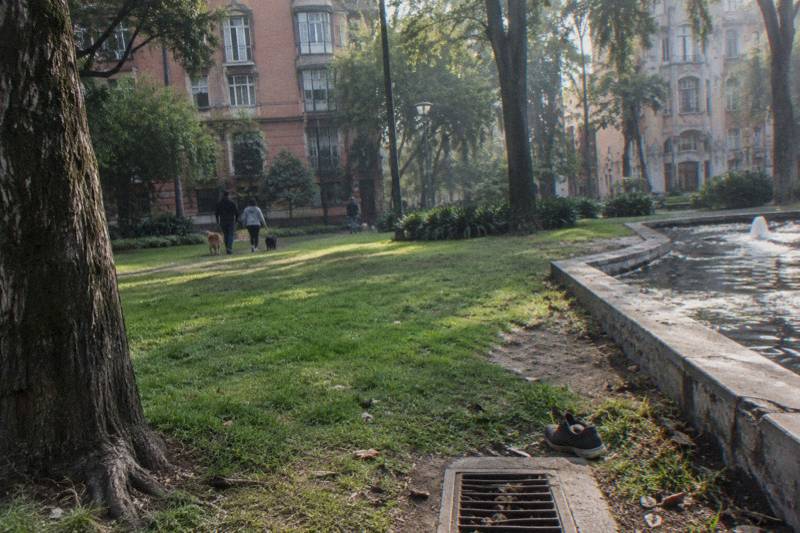
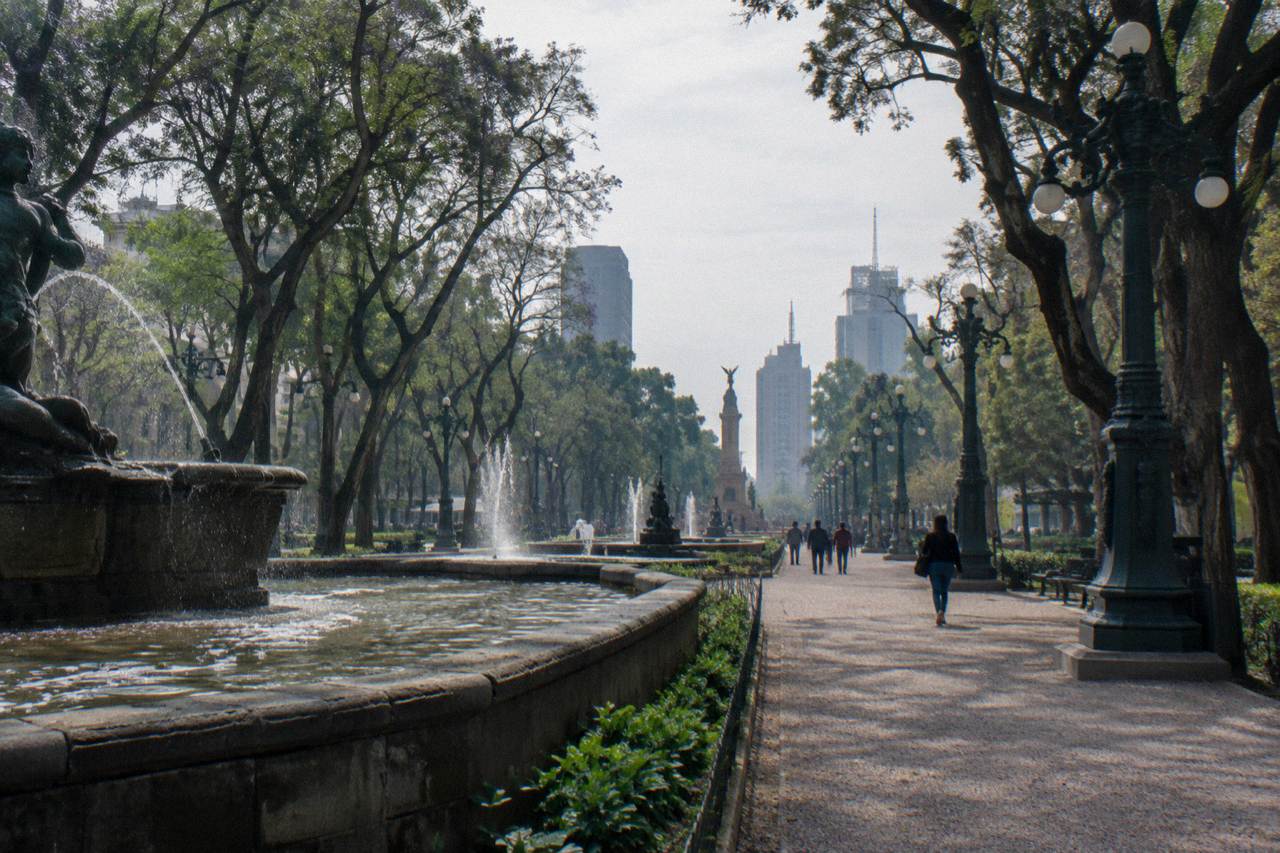
Yes, Alameda Central is completely free to visit. It is an open public park in the Centro Histórico, with no gate, no ticket booth, no entry charge and no ID requirement of any kind. Nothing inside the park itself, the fountains, the paths, the monuments and the bandstand, carries a fee. Every cost in this article belongs to something at its edges, not to the park. Two-and-a-Half-Hour Introduction is a pay-what-you-want walk that starts at Plaza de la Constitución, Zócalo.
That single fact is worth stating plainly because the internet is full of hedged answers. There is no version of Alameda Central where you pay to get in. It is listed in the city's own open public space listings as a free plaza-park, which is the same category the Zócalo and Avenida Madero fall into. No hours are stated for it anywhere official, and this guide will not invent any: an open park of this kind is walked when it is open, and the practical planning question is not entry but what you do around it.
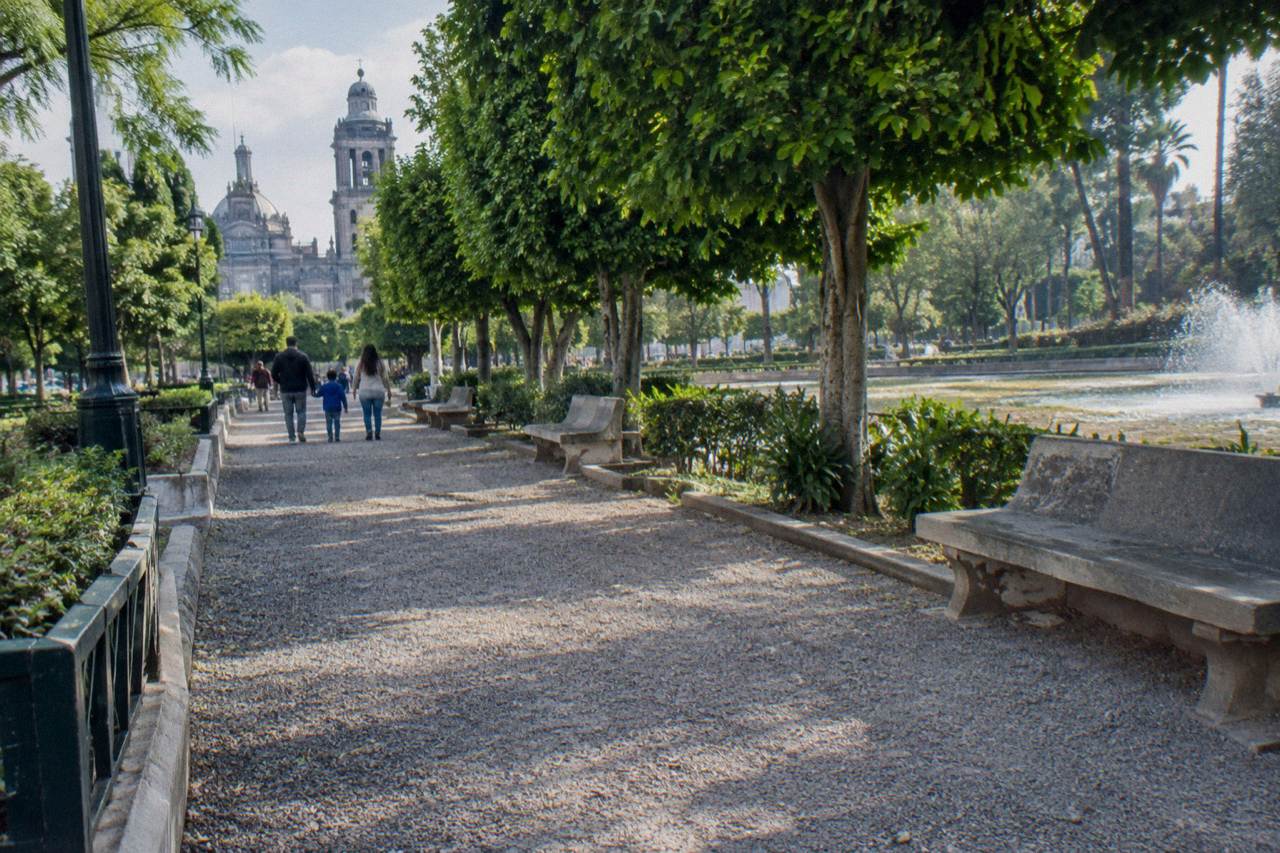
The park's position is the reason it matters for a budget itinerary. It sits at the western edge of the Centro Histórico, between Avenida Juárez and the streets running down toward Avenida Madero and the Zócalo. Walk one way and you are in the free historic core within minutes. Walk the other way and you are at the Palacio de Bellas Artes, whose entry rules are their own subject and are not treated here. The park functions as a free hinge between the two, which is exactly why so many walks meet within a few blocks of it.
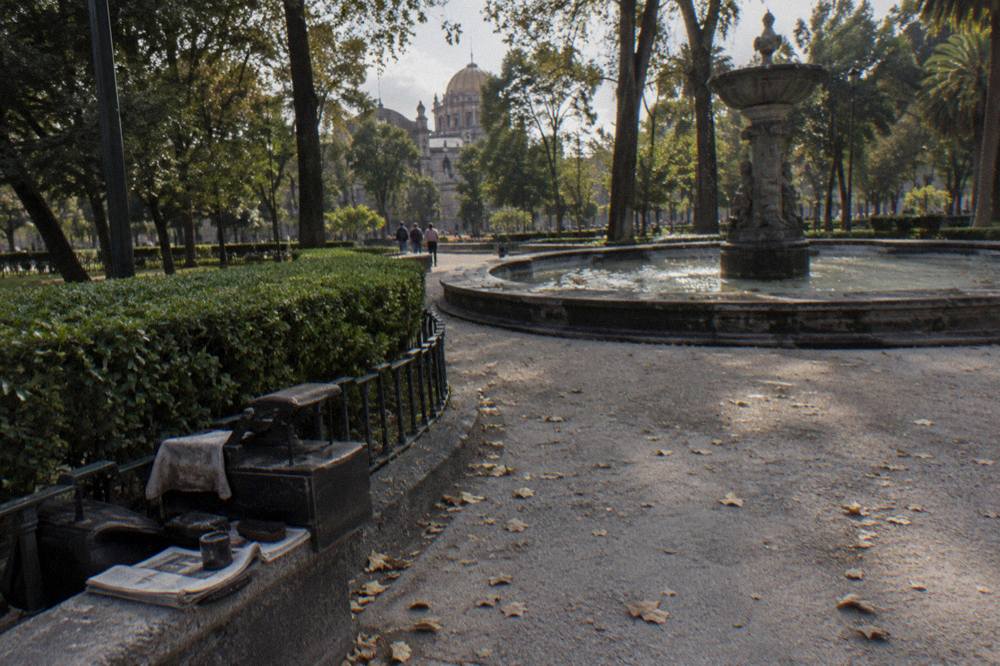
For a visitor watching a budget, the honest framing is this: the park itself is one of the genuinely free things in a district where a lot of the headline sights carry charges. The mirador towers nearby are paid. Several of the museums within a short walk charge on most days. The park is the part that never sends you to a ticket counter, and that makes it a natural rest stop, meeting point and route connector rather than a destination you budget for. Treat it as free infrastructure and you will use it better than if you treat it as an attraction with an entry fee to research.
What Is Free Around Alameda Central?
The free list around Alameda Central is long: Avenida Madero, the Zócalo and Plaza de la Constitución, Plaza Garibaldi, the Plaza de la República, the Ángel de la Independencia and the Biblioteca Vasconcelos all cost nothing to walk. On Sundays, the MUNAL is free for Mexican nationals and foreign residents with ID only, while the Museo de Arte Moderno is free for everyone. The Museo Soumaya is free every open day.
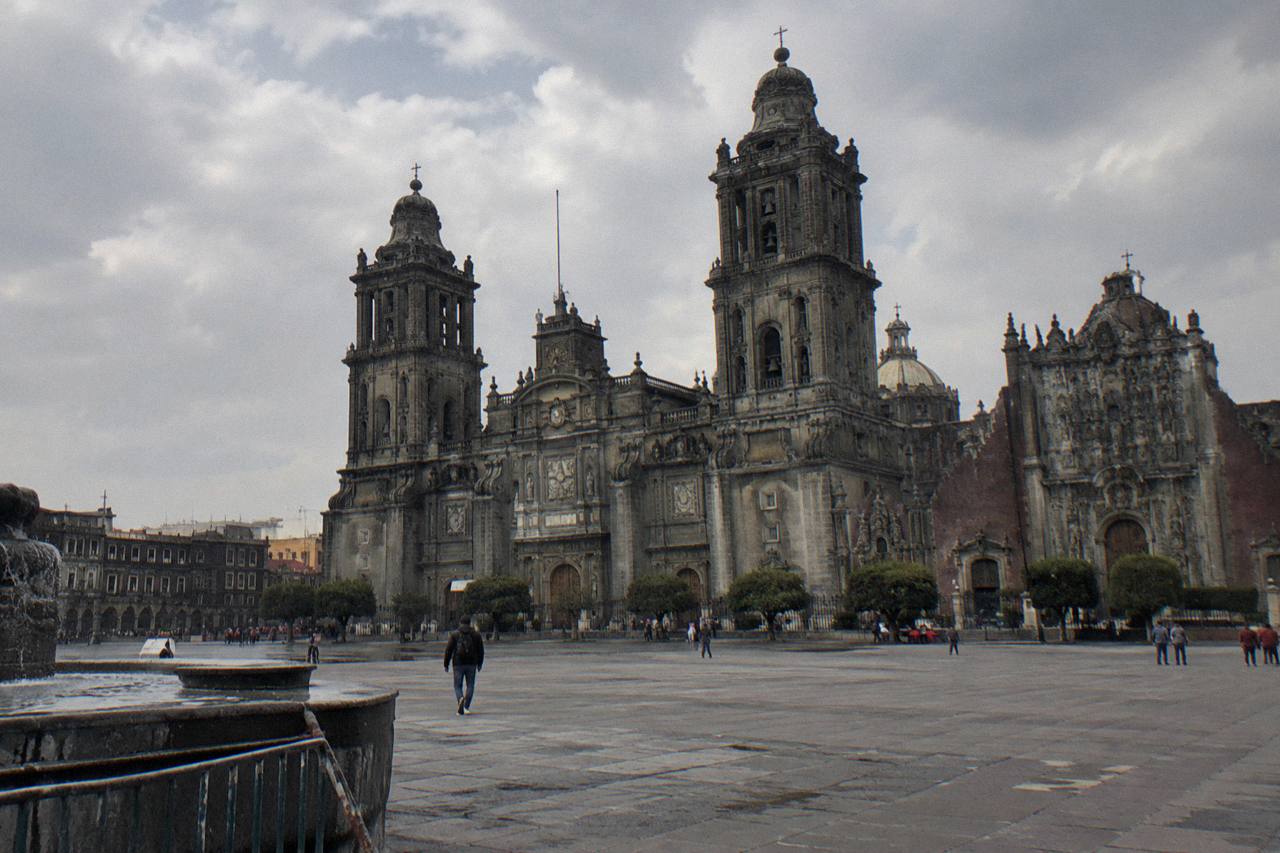
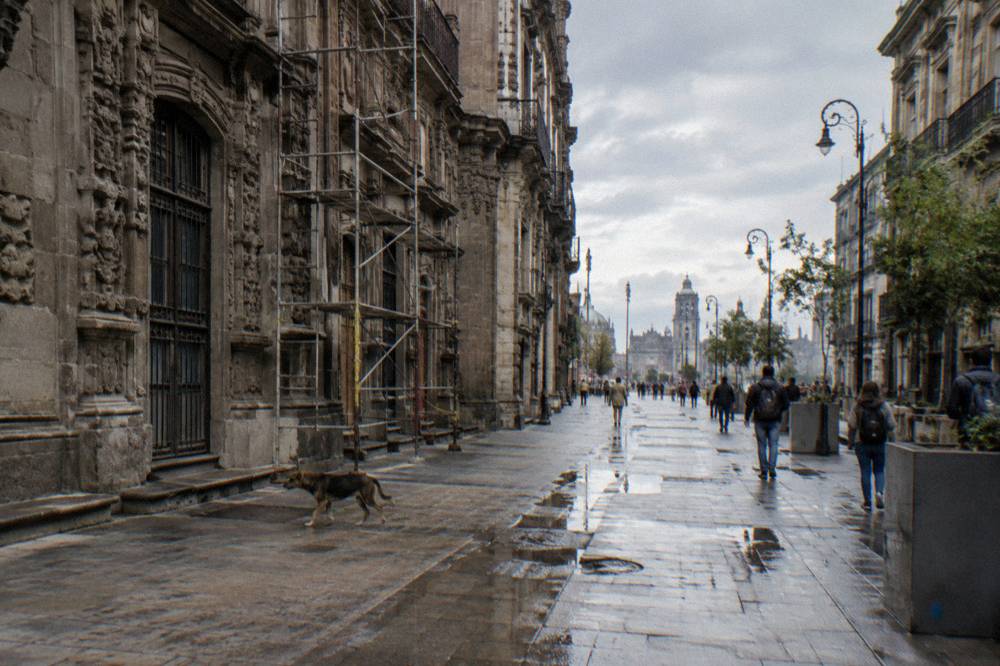
Start with the streets, because they are the ones you will use without thinking. Avenida Madero, the pedestrian street that runs from near the Alameda down toward the Zócalo, is free to walk end to end, and it is the natural continuation of any park visit. The Zócalo itself, formally the Plaza de la Constitución, is an open public square with no charge. This is also where the biggest pay-what-you-want walking tours in the city begin, a point this guide returns to in full later.
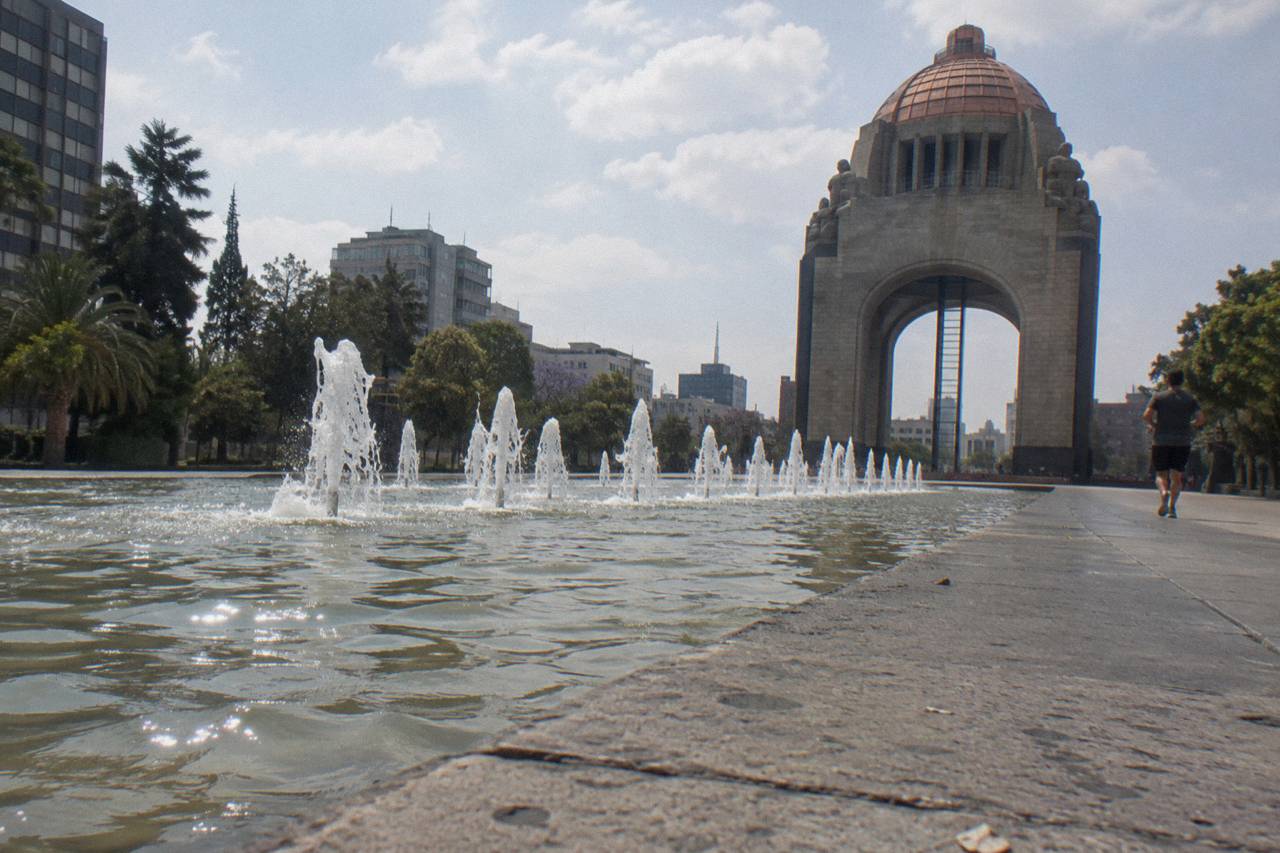
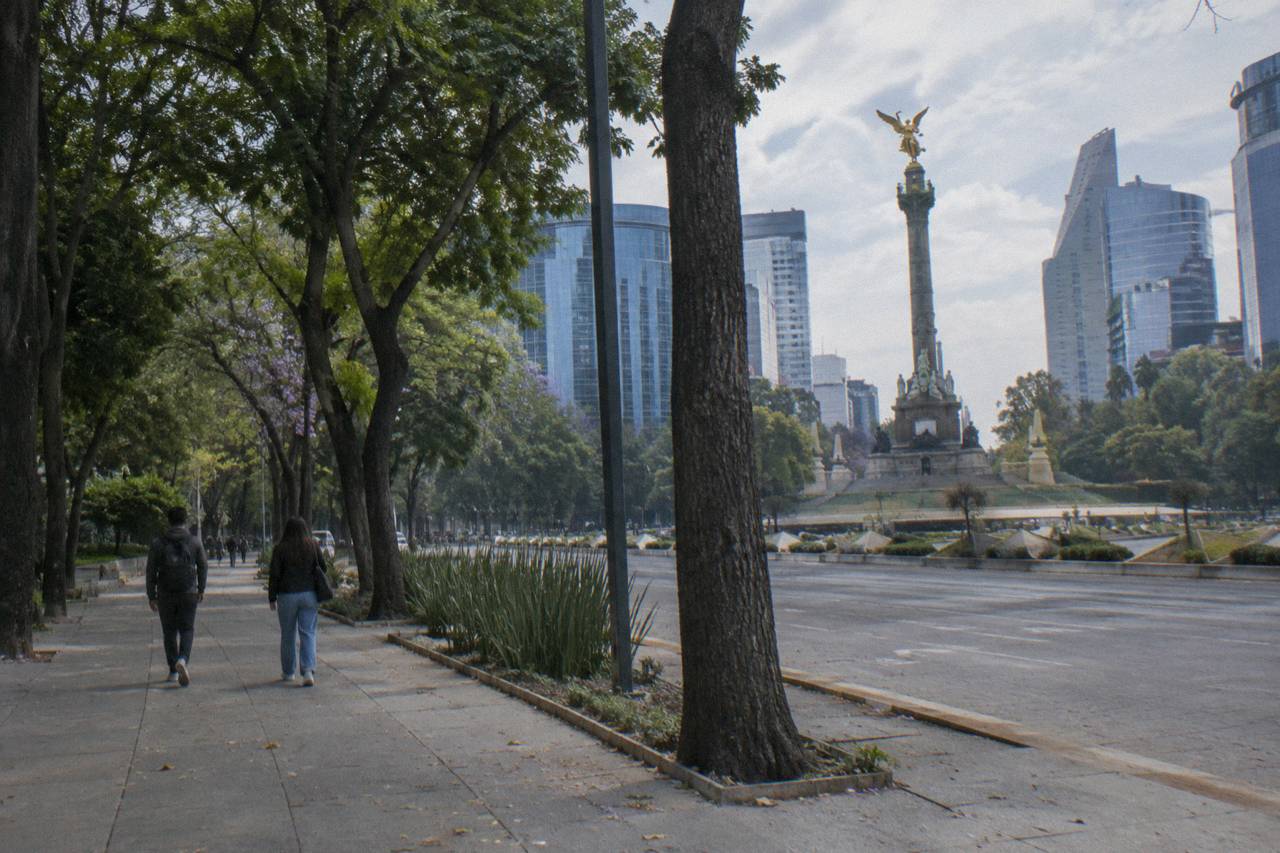
Head the other direction and the free options keep coming. Plaza Garibaldi, the mariachi square, is an open public space with no entry cost. The Plaza de la República, around the Monumento a la Revolución, is free to walk, though the monument's own mirador is ticketed, a split this guide covers in the next section. Further out, the Ángel de la Independencia on Paseo de la Reforma is a free landmark, and the Biblioteca Vasconcelos is free to enter, with no hours stated anywhere, so check before making it the anchor of a timed plan. The pay-what-you-want Estación Historic Center Walk walk meets at Metropolitan Cathedral, Zócalo.
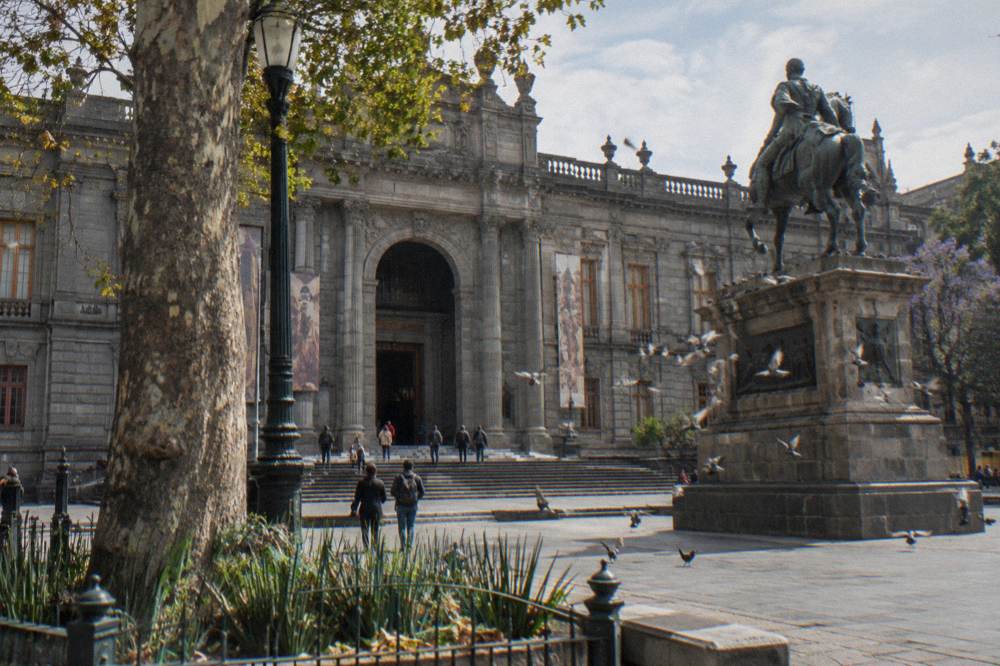
The museum picture needs care, because the free days are not one regime and the differences are where visitors lose money or misread a rule. The MUNAL, the Museo Nacional de Arte, is Sunday free for Mexican nationals and foreign residents with ID only, not for tourists, who pay on Sundays like any other day. The Museo de Arte Moderno, by contrast, is Sunday free for everyone. The Museo Soumaya is free on every open day at all of its sites, though its Plaza Loreto site closes Tuesdays. The Museo Jumex is free every open day and closed Mondays, and its winter programme runs deep into early 2027 with shows by Richard Prince to 7 February 2027 and El don de lenguas from 27 November 2026. More detail on Sunday rules sits in the are museums free on Sundays in Mexico City post, and the full museum-by-museum split is in the free museums guide.
One more free piece deserves its own sentence: the walks themselves. Every walk in this directory is free to join and pay what you want at the end, which means a guided afternoon costs whatever you decide it was worth. That is a different proposition from a free museum day, and the two combine well, a morning in a free museum and a pay-what-you-want walk after it is one of the cheapest full days the city offers. The complete list, all 24 of them, is in the free walking tours guide.
What Costs Money At Alameda Central?
Nothing inside the park costs money, but the surrounding blocks carry real charges: the Torre Latinoamericana mirador is paid, with its price published on site rather than here, the Monumento a la Revolución mirador is ticketed, the Museo Franz Mayer charges MXN 130 and the Museo Memoria y Tolerancia charges MXN 160. The Museo Frida Kahlo, further out in Coyoacán, is MXN 320, online tickets only. The park remains free through all of this.
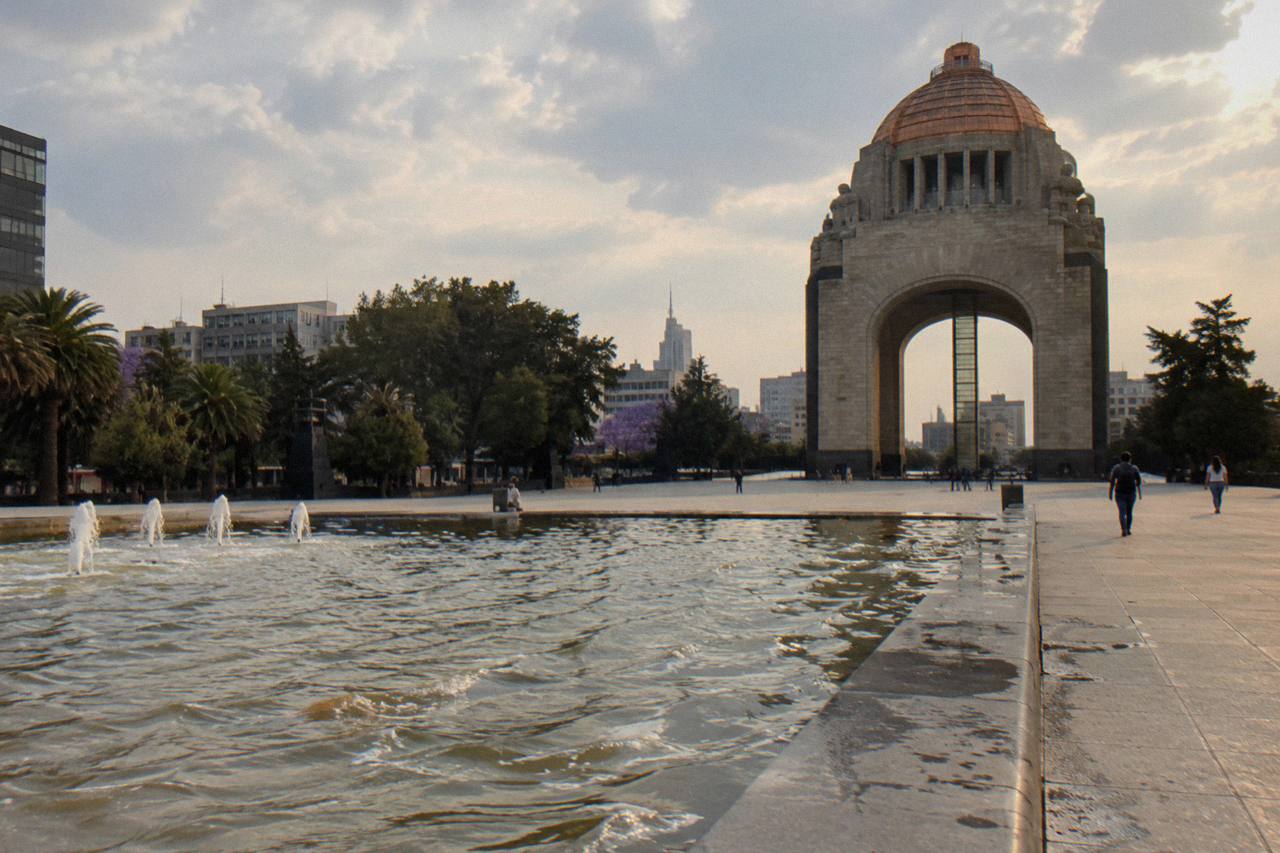
The pattern to understand is "free place, paid part", and the Alameda's neighbourhood has several of them. The Torre Latinoamericana is the clearest case: its street level is free to walk through, while the mirador above is a paid attraction whose price is not published on the official page, so check at the tower itself rather than trusting a number quoted in a forum. The Monumento a la Revolución works the same way, the Plaza de la República around it is free, the mirador inside the monument is ticketed. Budget planners should treat both as optional paid upgrades to otherwise free visits.

The museums nearby split into paid and conditional. The Museo Franz Mayer, a decorative arts museum close to the Alameda, charges MXN 130 with no free day found, and is open 10:00 to 17:00, closed Mondays, with its IA: Más que humano exhibition running to 4 April 2027 per its official page at franzmayer.org.mx. The Museo Memoria y Tolerancia charges MXN 160, likewise with no free day found. The MUNAL's Sunday rule from the previous section applies here too: free only for Mexican nationals and foreign residents with ID, so a tourist joining a Sunday museum morning around the Alameda should plan on the paid entries and treat any Sunday freebie as a bonus rather than a plan.
| Sight near Alameda Central | Free part | Paid part |
|---|---|---|
| Alameda Central | The whole park | None |
| Torre Latinoamericana | Street level | Mirador, price on site |
| Monumento a la Revolución | Plaza de la República | Mirador, ticketed |
| Museo Franz Mayer | Nothing | MXN 130, no free day found |
| Museo Memoria y Tolerancia | Nothing | MXN 160, no free day found |
| Museo de Arte Moderno | Sundays, everyone | MXN 95 other days |
| MUNAL | Sundays, nationals and residents with ID | MXN 95 other days |
Two warnings that save real money. First, Monday is the closing day for most of the museum district around the park: Jumex, Franz Mayer, Tamayo, the Frida Kahlo and every INAH museum close Mondays, so a Monday visit to the area is a park-and-streets day, not a museum day. Second, evening museum events are not free even when they sound like they might be: Noche de Museos, the last-Wednesday evening opening, charges standard or reduced prices, not zero. If a deal sounds generous, check who it is for before betting an afternoon on it.
The cheapest structure for a day in this neighbourhood, given all of the above, is a morning in the park and on Avenida Madero, a free-entry museum if the day and your ID status line up, and a pay-what-you-want walk in the afternoon. That keeps the fixed spend at zero and leaves the tip as the only real outlay, set by you after the walk rather than by a price list. Anyone curious about how the whole pay-what-you-want mechanism works, and what a tip usually runs, will find both questions answered in the how much to tip a free walking tour post.
When Is The Best Time To Visit Alameda Central?
The park is free and open year round, so timing is about the city's calendar rather than ticket prices. Weekday mornings and any fine afternoon work for a quiet walk. Late October and early November bring the Day of the Dead season, whose 2026 edition has ended, so expect similar dates in future years. Mondays suit the park and streets but not the museums, which close.
Because the park itself has no hours published anywhere, this guide will not invent a best hour, and it will not repeat crowd folklore that no official source backs. What can be said from the official sources is structural. The park is a green space in the middle of a dense district, its value is as a rest stop and connector, and the practical timing question is really about what you pair it with. If museums are the pairing, go Tuesday to Sunday, since the Monday closures are near universal in this district. If walks are the pairing, go whenever the walk you chose goes, and use the park before or after.
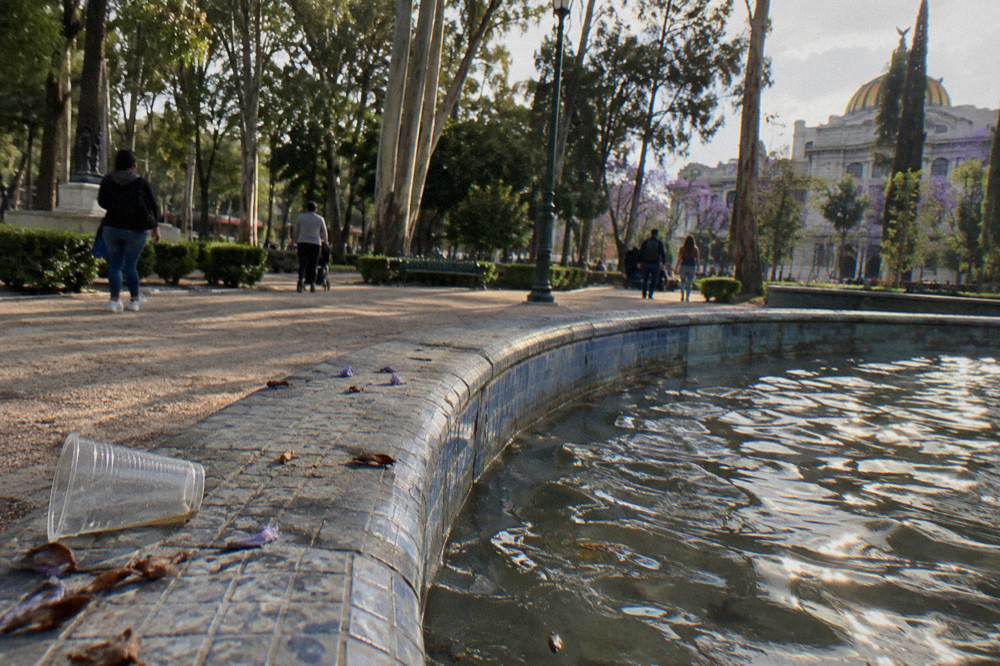
Seasonally, the one dated event on the city's official calendar that touches this part of town is Day of the Dead. The 2026 edition ran from mid-October into early November, with the Gran Desfile on Saturday 31 October at 14:00 travelling from Paseo de la Reforma toward the Zócalo, and the Ofrenda Monumental in the Zócalo from 29 October to 2 November, alongside community ofrendas at multiple sites including the Plaza de las Tres Culturas, per the official visitor guide at mexicocity.cdmx.gob.mx. That edition has ended and nothing is announced for 2027, so plan on similar dates in late October and early November rather than printed ones. The Alameda sits on the parade's doorstep, which makes it a natural base for that weekend, and a free one.
Winter visitors get a quieter but solid museum season. The Jumex runs its exhibitions to early February 2027, the MUNAL has Mexico: ruta y destino to 14 February 2027 and is closed 1 January and 25 December, and the Museo Tamayo, free on Sundays for everyone, has its Tamayo, Nieto, Toledo show to 15 February 2027 per museotamayo.org. None of that changes the park's price, which is the point of a free anchor: whatever the calendar does, the Alameda itself stays at zero and the paid pieces around it flex with exhibitions and seasons.
How Do You Combine Alameda Central With Other Free Sights?
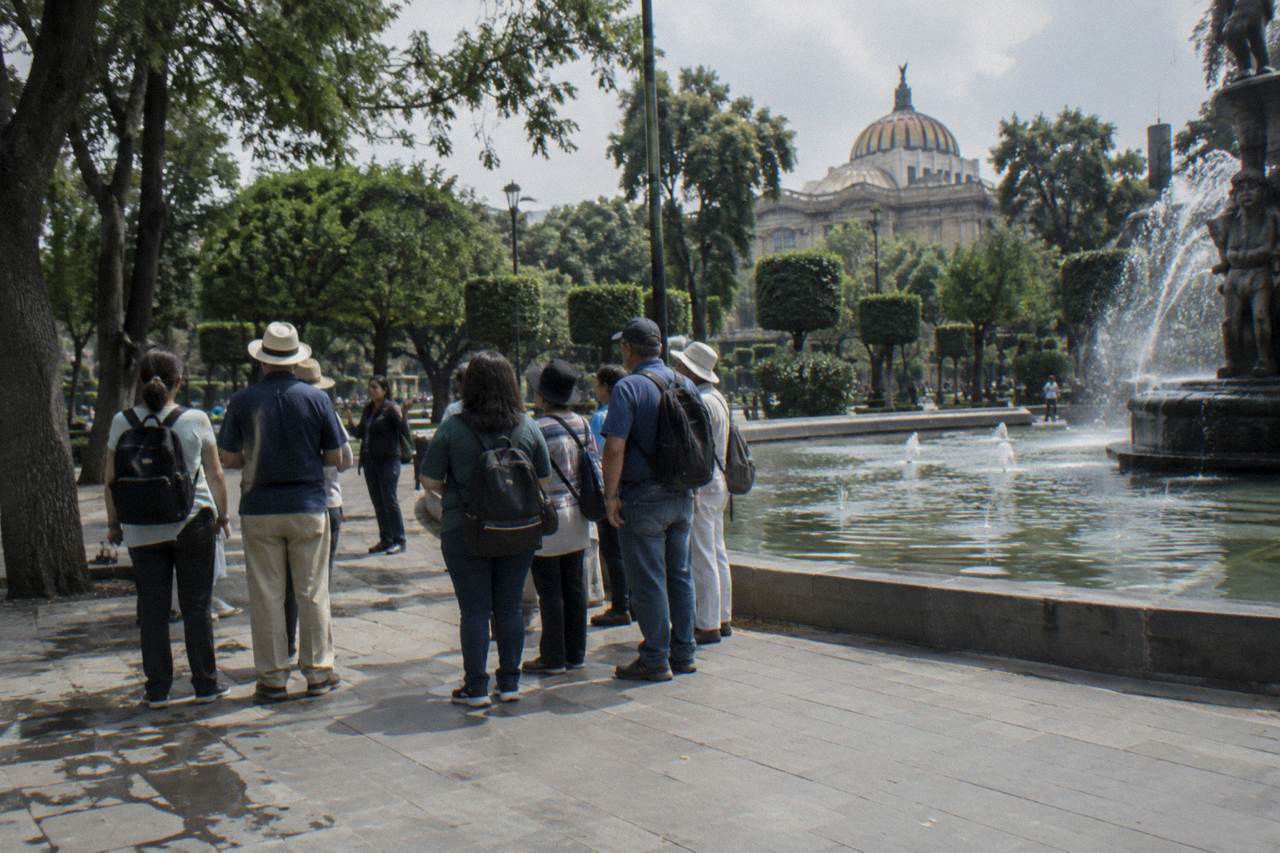
The simplest free route runs from the Alameda down Avenida Madero to the Zócalo, all of it walkable and free, then branches to Plaza Garibaldi or the Plaza de la República. Adding a pay-what-you-want walk turns the same geography into a guided morning at a cost you set. The park works best as the hinge: free streets east, free plazas north and west, conditional museums on Sundays that match your ID status.
Walk the geography once and the combinations write themselves. East of the park, Avenida Madero leads traffic-free to the Zócalo, and the whole stretch is free public space. That single line is the spine of a zero-cost morning, and it ends at the meeting point of the city's biggest pay-what-you-want walk, the Two-and-a-Half-Hour Introduction by Kactus, 4.82 out of 5 across 4,138 GuruWalk reviews, meeting at Plaza de la Constitución, Zócalo, running in English and Spanish. A natural pairing is the park first, the walk second, and the tip as the day's only fixed decision.
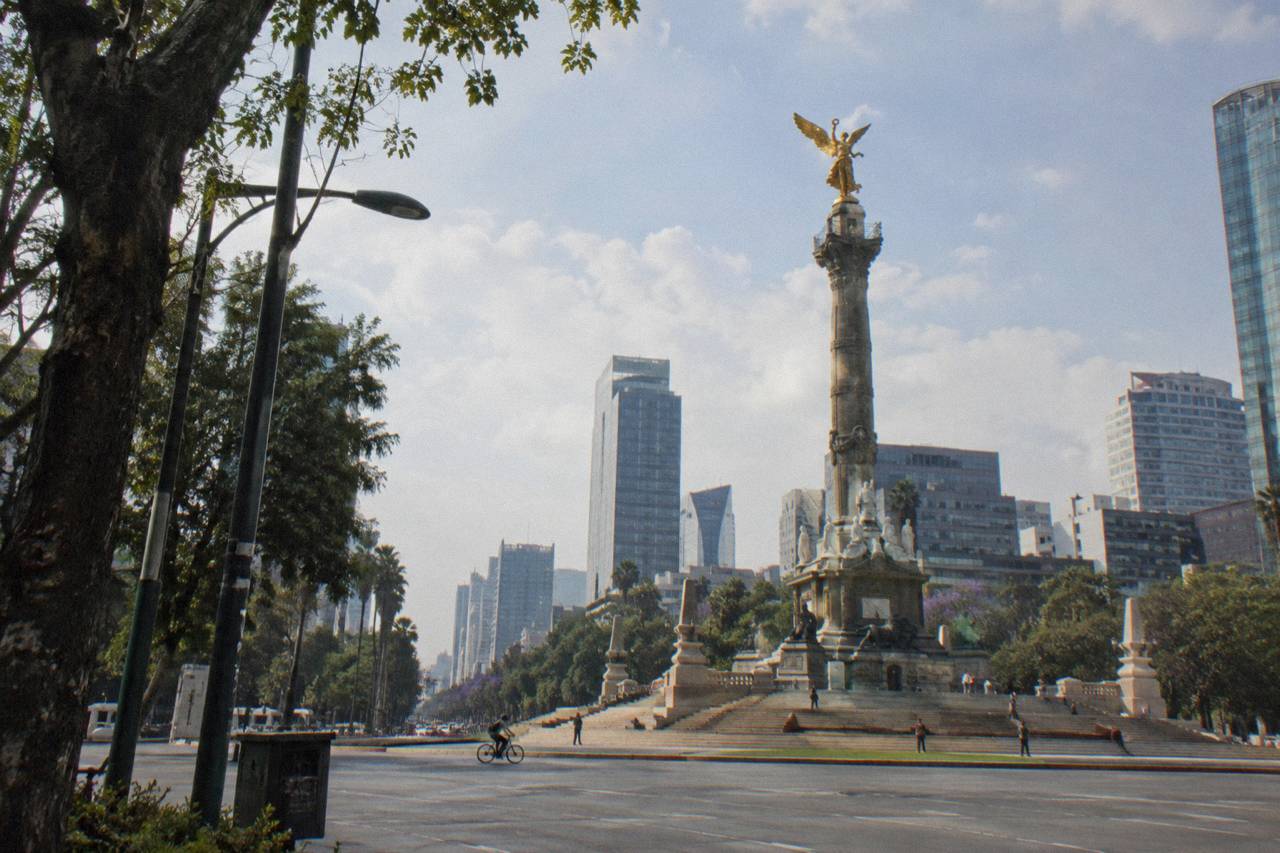
North and west, Plaza Garibaldi and the Plaza de la República extend the free map, with the Ángel de la Independencia further along Paseo de la Reforma for anyone who wants a longer stroll. None of these charges entry. South, the neighbourhoods change character: Roma Norte and Condesa are a Metro or taxi hop away, and there is a walk for that too, the Trendy Roma and Condesa walk by Estación, 4.74 out of 5 across 1,181 GuruWalk reviews, two hours in English and Spanish, meeting at Avenida Cuauhtémoc 19, Roma Norte. Pairing the Alameda's historic core with a Roma and Condesa afternoon gives a two-neighbourhood day where the guiding costs nothing up front on both halves.
| Free route from the Alameda | What you pass | Cost |
|---|---|---|
| East: Avenida Madero to the Zócalo | Pedestrian street, Plaza de la Constitución | Free |
| North: Plaza Garibaldi | Open mariachi square | Free |
| West: Plaza de la República | Monument plaza, mirador is paid separately | Free plaza |
| Longer west: Ángel de la Independencia | Reforma landmark | Free |
| Guided: pay-what-you-want walks | Centro Histórico, Roma, markets | Free to join, tip at the end |
The museum pairings depend on the day and on who you are, and this is where honesty saves money. If you are a Mexican national or a foreign resident with ID, Sundays open the MUNAL to you. If you are a tourist, Sunday at the Museo de Arte Moderno is your free museum morning, since that one is free for everyone, and the INAH Sunday rule at sites like the Castillo de Chapultepec and Teotihuacan is likewise for Mexicans and foreign residents with ID only, never for tourists. Do not build a Sunday plan around a free day you cannot claim. Build it around the free streets, which never check anything, and the walks, which never charge up front.
Which Free Walking Tours Meet Near Alameda Central?
Several pay-what-you-want tours meet within a short walk of Alameda Central: Kactus's Cable Car and Urban Art walk at Bellas Artes (4.82 out of 5 across 511 GuruWalk reviews), the Andares History, Art and Cuisine Walk at República de Guatemala 4, the Three-Hour Che Guevara History walk at Avenida Juárez, and the English Legends and Myths Tour at Eje Central and Avenida Madero, all free to join with tips only.
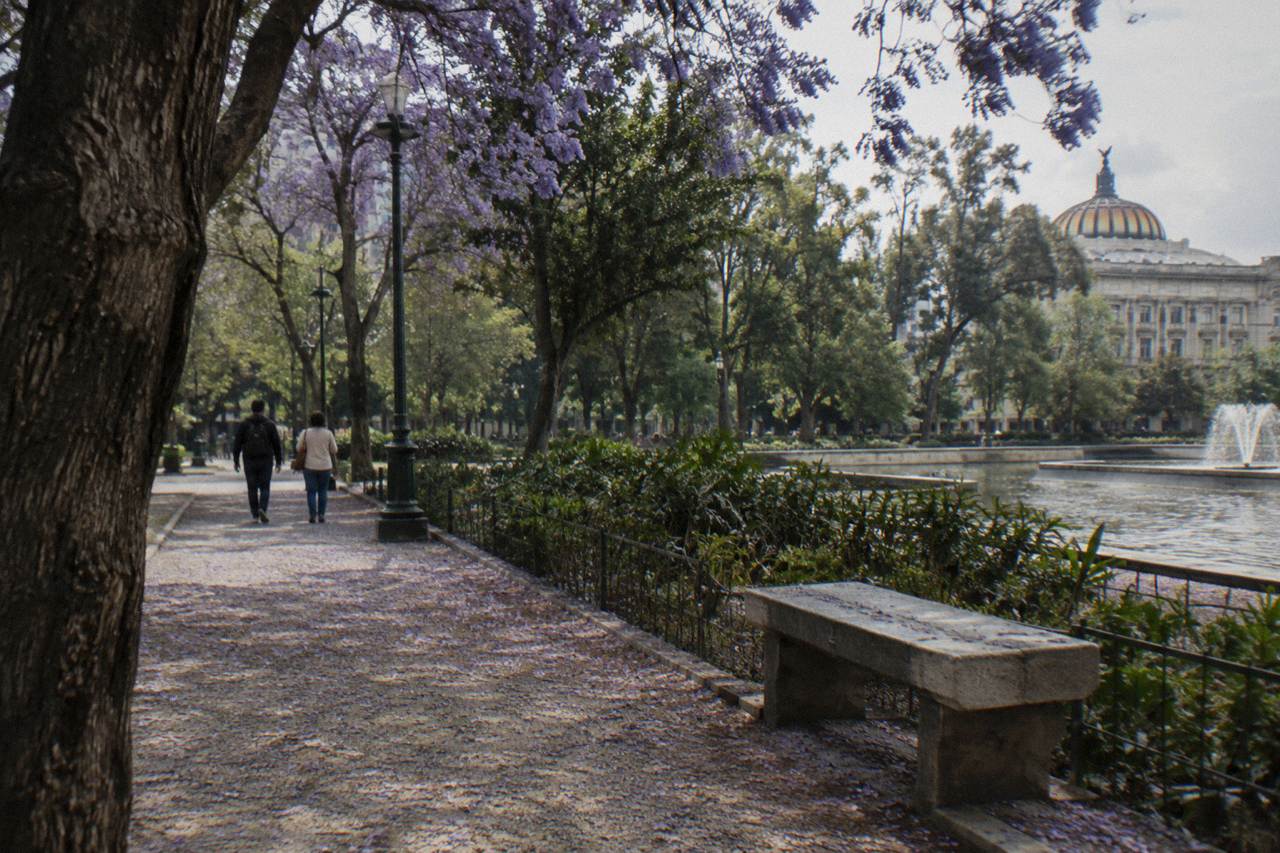
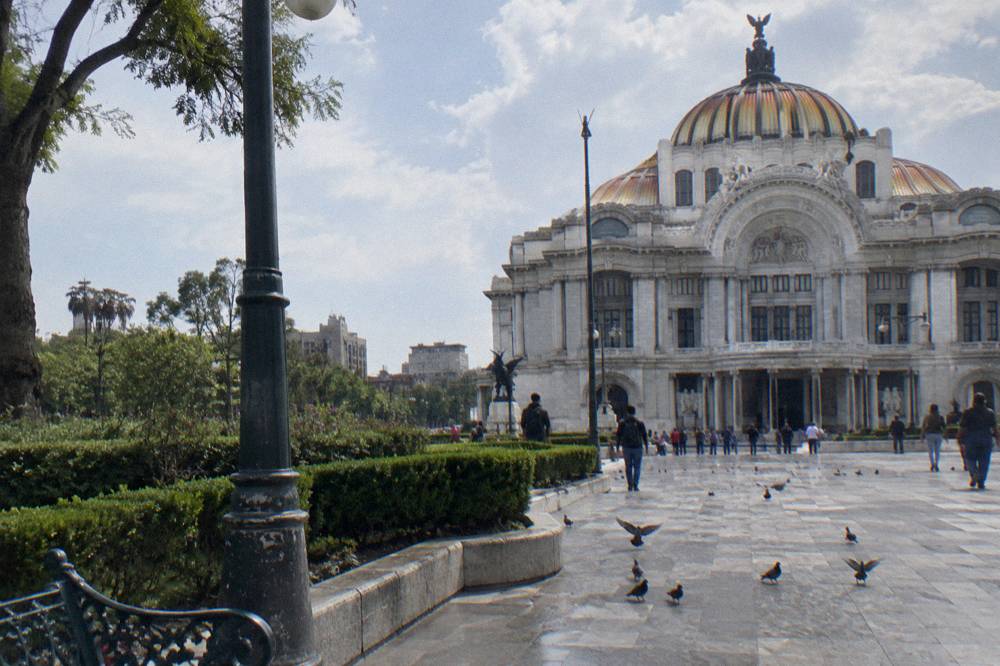
The closest meeting point of all is Bellas Artes, on the park's eastern edge, where the Cable Car and Urban Art walk by Kactus starts, 3 hours 45 minutes long, in English and Spanish, 4.82 out of 5 across 511 GuruWalk reviews on GuruWalk. That walk carries an additional-costs note: guiding is pay what you want while the cable car ride itself is bought separately, so it is free to join but not free to complete as designed. The same applies to the taco and street-food walks elsewhere in the directory, where food is paid separately. It is the honest distinction between a free walk and a fully free experience, and every listing that carries an extra cost says so plainly.
Deeper in the Centro Histórico, the History, Art and Cuisine Walk by Andares Free Walking Tour meets at República de Guatemala 4, two hours, English only, 4.86 out of 5 across 520 GuruWalk reviews. It is one of the few English-language walks whose meeting point sits inside the historic grid rather than on the Zócalo itself, which makes it a natural fit for an Alameda-based morning. The Three-Hour Che Guevara History walk by Eduardo meets at Avenida Juárez, the park's own southern boundary, 5 out of 5 but across only 2 GuruWalk reviews, a pool too small to treat as a consensus. The English Legends and Myths Tour by Daniel meets at Eje Central and Avenida Madero, 4.71 out of 5 across 7 GuruWalk reviews, likewise a thin pool.
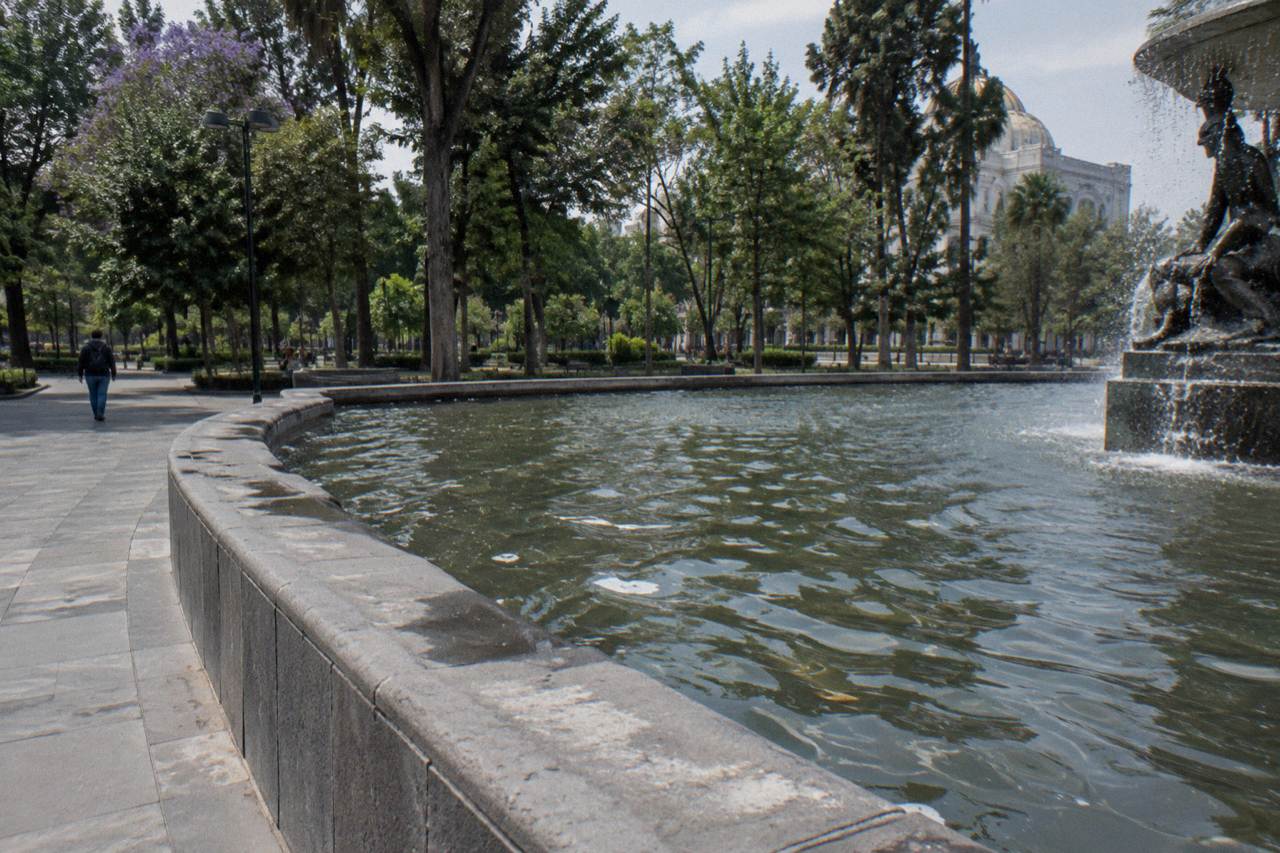
Walks on the freetour.com platform also serve this area, and freetour.com is named here because these are the only walks in this directory that run there. The Downtown Secrets Walk by Wro Tours, 9.8 out of 10 across 205 freetour.com reviews, meets at Teatro Hidalgo, Avenida Hidalgo 23, two hours in English and Spanish. And the Santa María la Ribera Alternative, 9.8 out of 10 across 92 freetour.com reviews, meets at the parish church of San Cosme and San Damián. Every other walk in this directory runs on GuruWalk, including all the walks listed above. Not every walk in this directory publishes a route beyond its meeting point and neighbourhood, so where none is listed, meeting points are what you plan around.
Mistakes That Trip People Up At Alameda Central
The common mistakes are assuming Sunday museum free days apply to everyone, planning museums on a Monday when the district closes them, paying for miradors expecting a free view, and forgetting that food walks and the cable car walk carry separate costs. Each one costs a visitor money or a wasted morning, and each is avoidable with the splits above. The park itself has no trap in it.
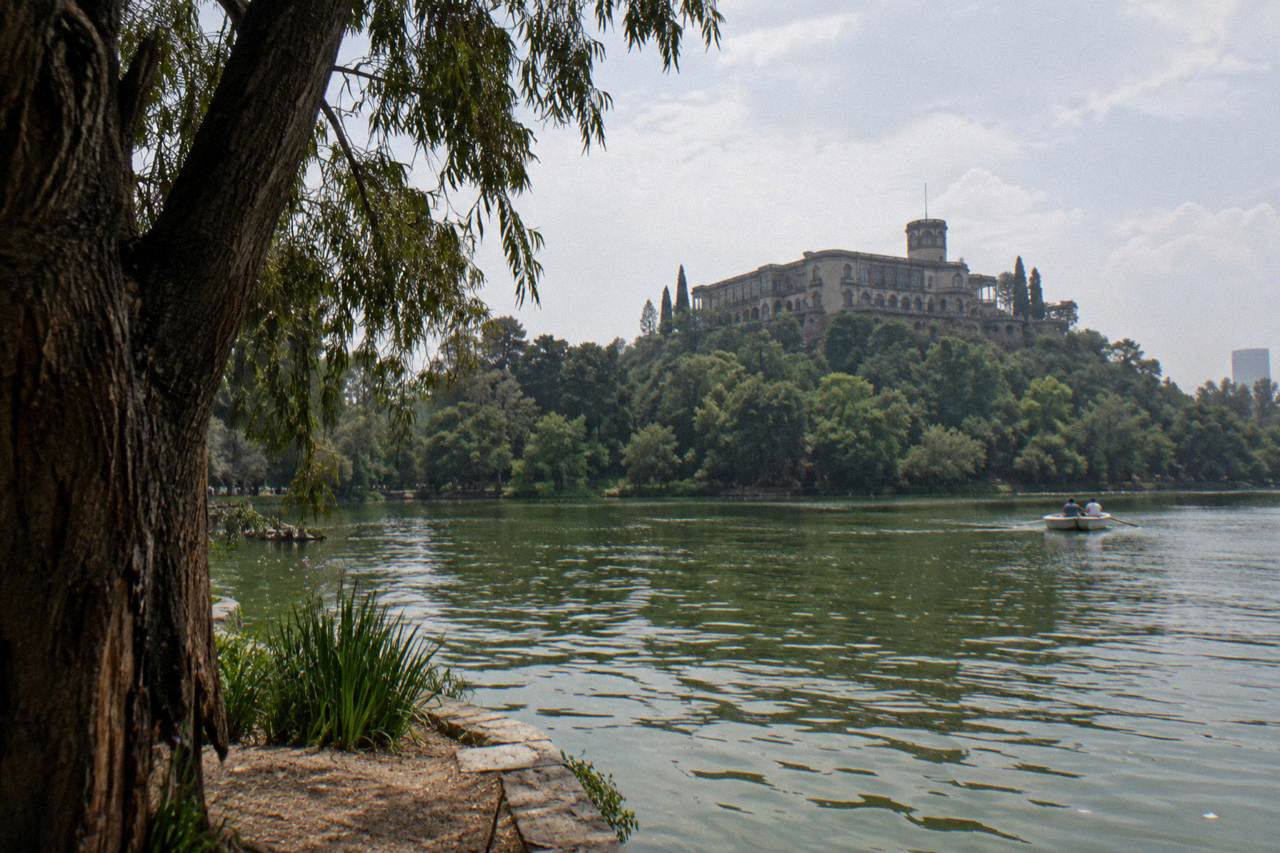
The biggest trap is the Sunday rule. The INAH sites, which include the Castillo de Chapultepec, the Museo del Templo Mayor, Tlatelolco and Teotihuacan, are Sunday free for Mexicans and foreign residents with ID only, and tourists pay, MXN 210 at most INAH sites and MXN 155 at Tlatelolco. The MUNAL follows the same shape, Sunday free for nationals and residents with ID, not tourists. The genuinely open-to-all Sunday options near here are the Museo de Arte Moderno and, on other days entirely, the always-free Museo Soumaya and Museo Jumex. Treating "Sunday is free" as one blanket rule is the single most expensive misunderstanding in this district.
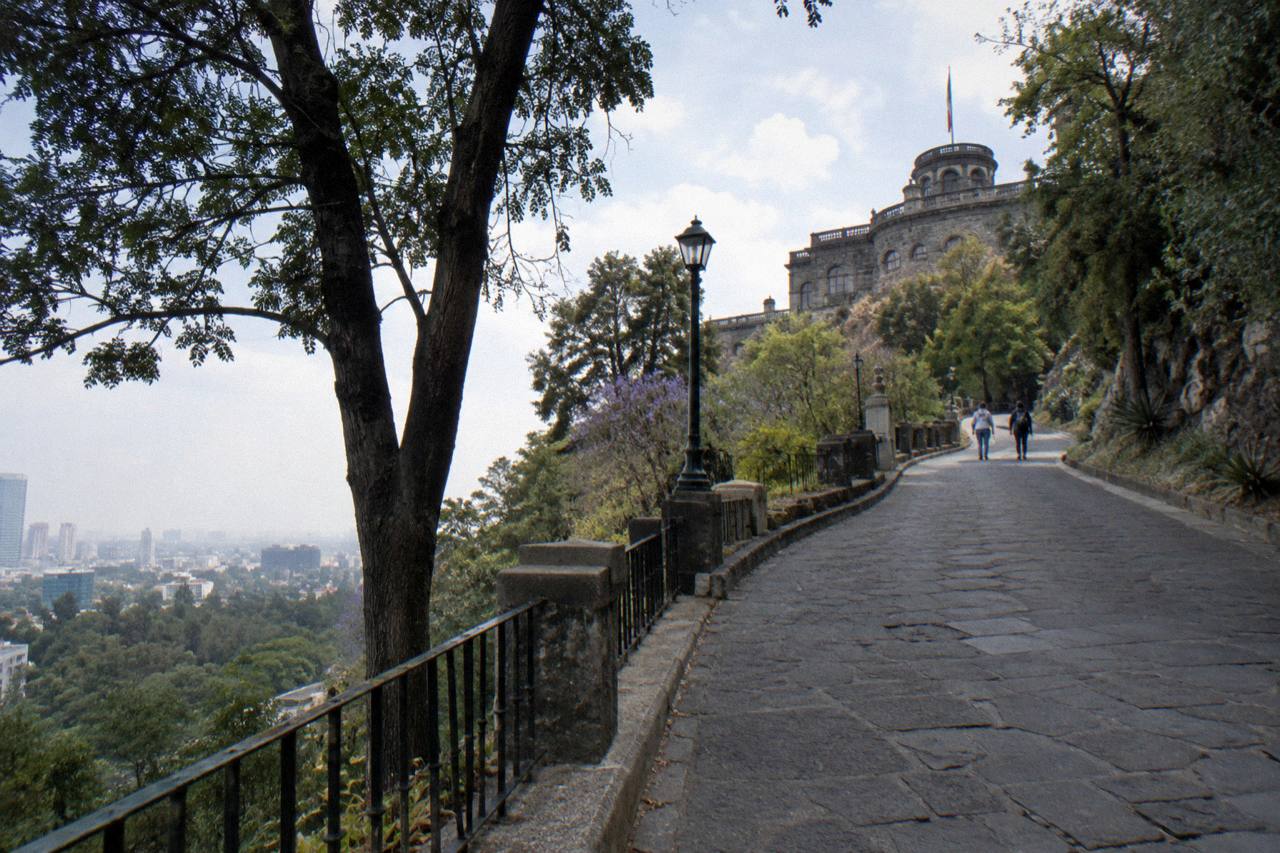
The second mistake is the Monday plan. Jumex, Franz Mayer, Tamayo, MUAC, the Frida Kahlo and every INAH museum close on Mondays, and the Chapultepec Castle closes Mondays too. A Monday itinerary built around museum entry collapses; a Monday itinerary built around the park, Avenida Madero, the Zócalo and a walk holds up perfectly, since the walks run to their own schedules and charge nothing to join. The third mistake is mirador math: both towers near the park charge for the view, with prices set at the ticket desk. The fourth is assuming the taco and street-food walks, or the cable car walk, are free end to end; the guiding is pay what you want, the food and the cable car are bought separately, and never the twain shall merge into one price.
A final, quieter mistake is treating the Free Things To Do In Mexico City directory as a booking office. It is not: every walk here is a real listing run by an independent local guide on GuruWalk or freetour.com, and this site neither operates the walks nor is affiliated with the platforms. The tip is agreed between you and the guide at the end. That is the whole model, and the how do free walking tours work post unpacks it in detail, including the safety question, which has its own answer in are free walking tours safe.
Common Questions About Alameda Central
Is Alameda Central free to visit?
Yes, completely. It is an open public park with no gate, ticket or entry charge, for everyone, with no ID or conditions of any kind. The costs nearby are the miradors and museums at its edges, never the park itself.
What is free around Alameda Central?
Avenida Madero, the Zócalo and Plaza de la Constitución, Plaza Garibaldi, the Plaza de la República and the Ángel de la Independencia are all free to walk. The Museo Soumaya and Museo Jumox are free on open days, and the Museo de Arte Moderno is Sunday free for everyone.
What costs money at Alameda Central?
Nothing in the park. Around it, the Torre Latinoamericana mirador and the Monumento a la Revolución mirador are paid, the Museo Franz Mayer charges MXN 130 and the Museo Memoria y Tolerancia MXN 160. Prices at the miradors are set at the site.
Are museums near Alameda Central free on Sundays?
It depends who you are. The MUNAL is Sunday free for Mexican nationals and foreign residents with ID only, tourists pay. The Museo de Arte Moderno is Sunday free for everyone. INAH sites follow the residents-only rule, with tourists paying MXN 210 at most sites.
Which free walking tours meet near Alameda Central?
The Cable Car and Urban Art walk by Kactus meets at Bellas Artes on GuruWalk, the History, Art and Cuisine Walk meets at República de Guatemala 4, and the Downtown Secrets Walk meets at Teatro Hidalgo, Avenida Hidalgo 23, listed on freetour.com. All are pay what you want.
Is the Torre Latinoamericana free?
Its street level is free to walk, but the mirador above is a paid attraction, and the price is not published on the official page, so check at the tower. The same free-place, paid-part split applies to the Monumento a la Revolución, whose plaza is free while the mirador is ticketed.