How Much Should You Tip On A Free Walking Tour In Mexico City?
How the pay what you want model works on Mexico City free walking tours, what shapes a fair tip, and what you still pay for separately.
In Short
Free walking tours in Mexico City are pay what you want: the guiding itself costs nothing to book, and you pay the guide directly at the end in cash, at whatever amount you choose. There is no fixed figure on any listing, and the walk itself stays free. The honest answer is that the tip reflects the length of the walk, the language it ran in and how much the guide delivered.
This question sits inside the free walking tours guide. The site's directory ships 24 walks across the city, 21 listed on GuruWalk and the rest on freetour.com, and every one of them works the same way when it comes to money.
Quick Facts
| Question | Answer |
|---|---|
| What is free on these walks? | The guiding itself, booked at no charge on GuruWalk or freetour.com |
| How do you pay the guide? | Directly, at the end of the walk, at an amount you choose |
| Is a tip required? | No, the model is pay what you want, but the guide's income depends on it |
| What still costs money? | Food and drink on the taco and street food walks, the cable car fare, museum entry |
| Where do walks meet? | Public points such as the Zócalo, the Metropolitan Cathedral or Calle Florencia 39 |
| Which platforms list them? | GuruWalk and freetour.com only |
How Much Should You Tip On A Free Walking Tour In Mexico City?
There is no set amount, because every free walking tour in Mexico City is genuinely free to book and the guide is paid entirely by cash tips at the end. No listing states a suggested figure and no guide can require one, so what you hand over should reflect the walk's length, the language it ran in, the group size, and how much the guide actually delivered.
The pay what you want model has a simple logic behind it. Guides take the commercial risk themselves: they invest two or three hours of their time, run the walk regardless of how many people show up, and trust that the people who got value will pay for it. The system survives because most people do. It also keeps the barrier to entry at zero for travellers on any budget, which is why the model spread from Europe to Mexico City and why platforms like GuruWalk are built entirely around it.
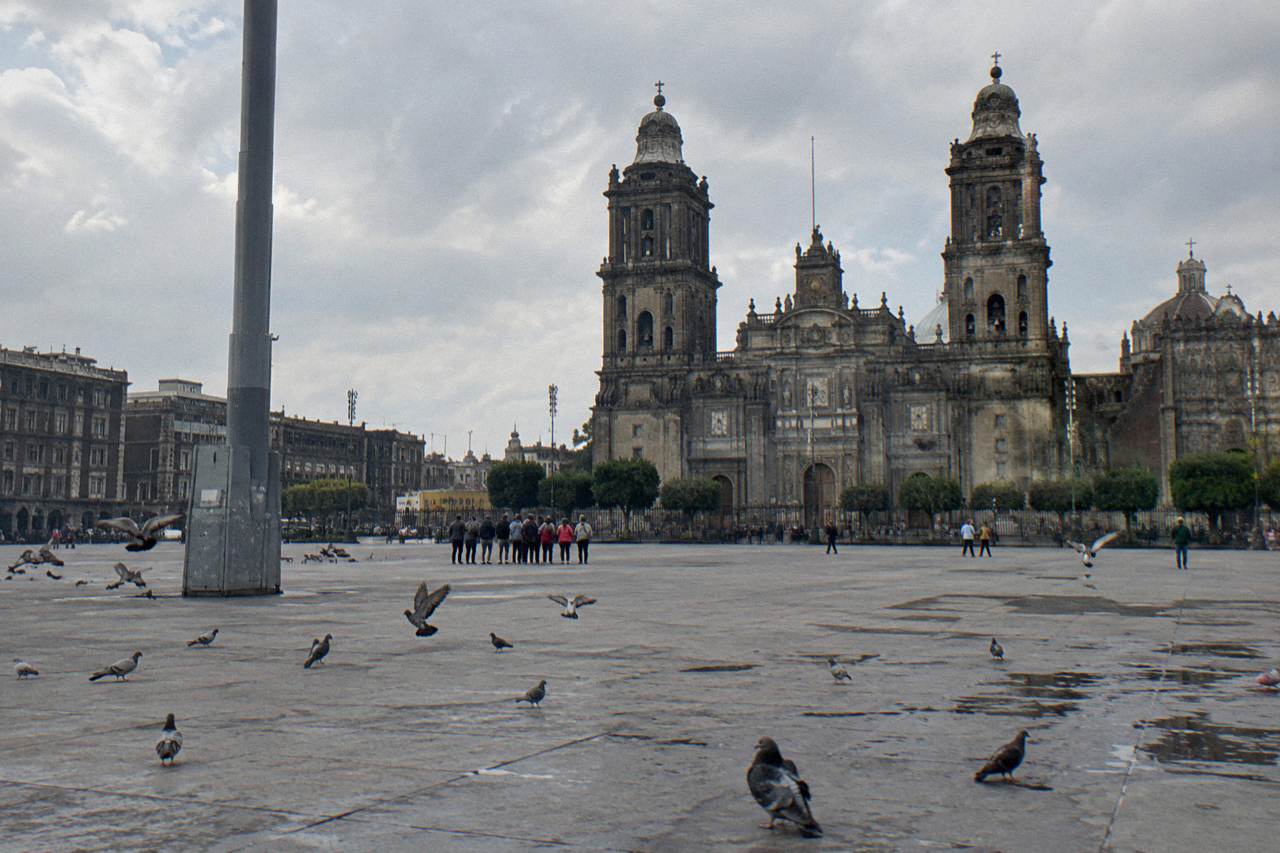
Think of the tip as buying the walk you just took, not as charity. A guide on the Two-and-a-Half-Hour Introduction by Kactus, which runs in English and Spanish and carries 4.82 out of 5 across 4,138 GuruWalk reviews, is delivering the same product a paid tour would: a route, a narrative, answers to questions, and help with orientation in a huge capital. The listing price of that product is simply set to zero, with payment moved to the end and made voluntary. Two-and-a-Half-Hour Introduction is a pay-what-you-want walk that starts at Plaza de la Constitución, Zócalo.
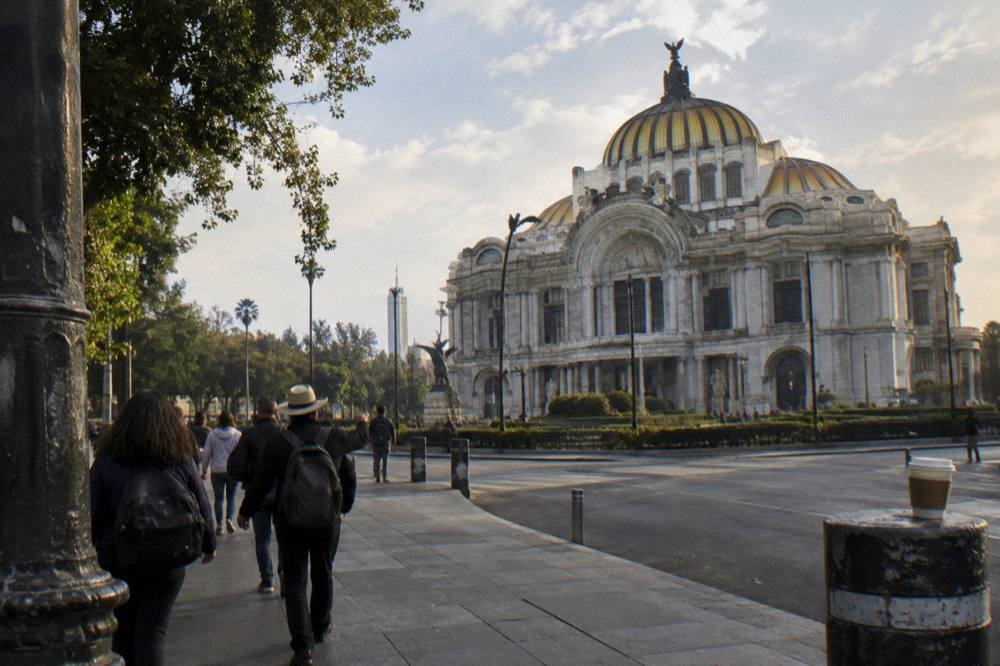
Several factors reasonably shape the amount. Longer walks justify more: a three-hour walk covers more ground and more guiding than a ninety-minute one. A walk delivered in English for a single traveller deserves more than the same walk shared among a large group, because the guide's attention is a scarcer resource. And a guide who rerouted the story around your questions, or waited while you photographed the Palacio de Bellas Artes, delivered something the script alone does not. If the guide checked the time, recited from memory and hurried the group, the honest signal is a smaller amount.
One practical note on method: bring cash, and bring small bills. Tips are handed to the guide directly at the end of the walk, usually as the group disperses at the final stop. Card readers are not part of the model, and hunting for change after the guide has said goodbye helps nobody. Decide your amount during the walk, not at the end under time pressure.
What Does The Free Part Include?
The free part covers the guiding itself: a booked place on the walk, a guide who meets the group at the stated meeting point, and the full commentary from start to finish, all at no charge on GuruWalk or freetour.com. There is no booking fee, no deposit and no minimum spend, and nothing in the pay what you want terms obliges a specific payment.
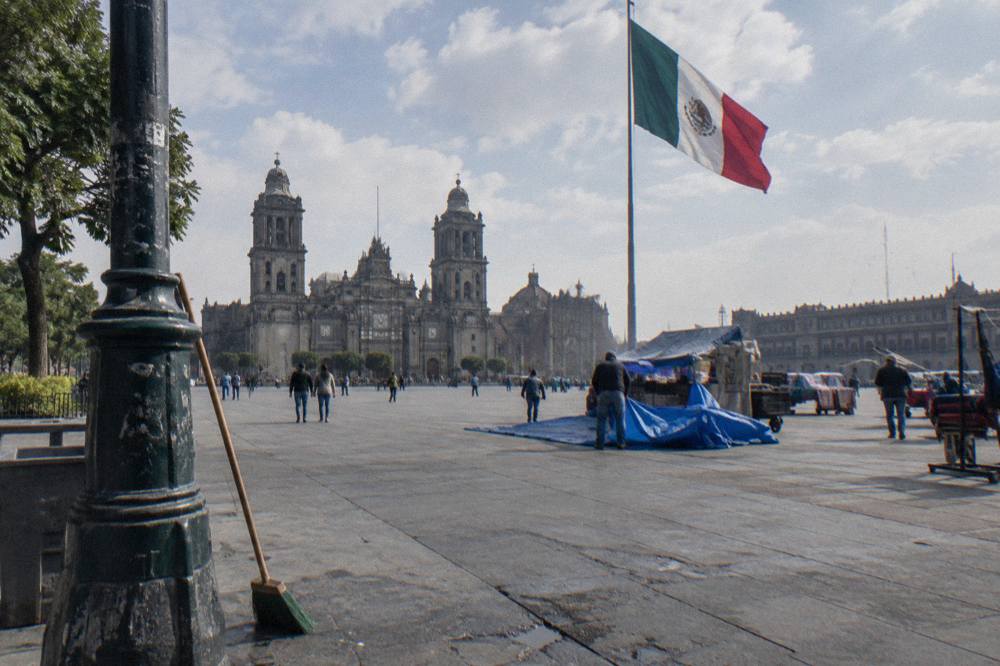
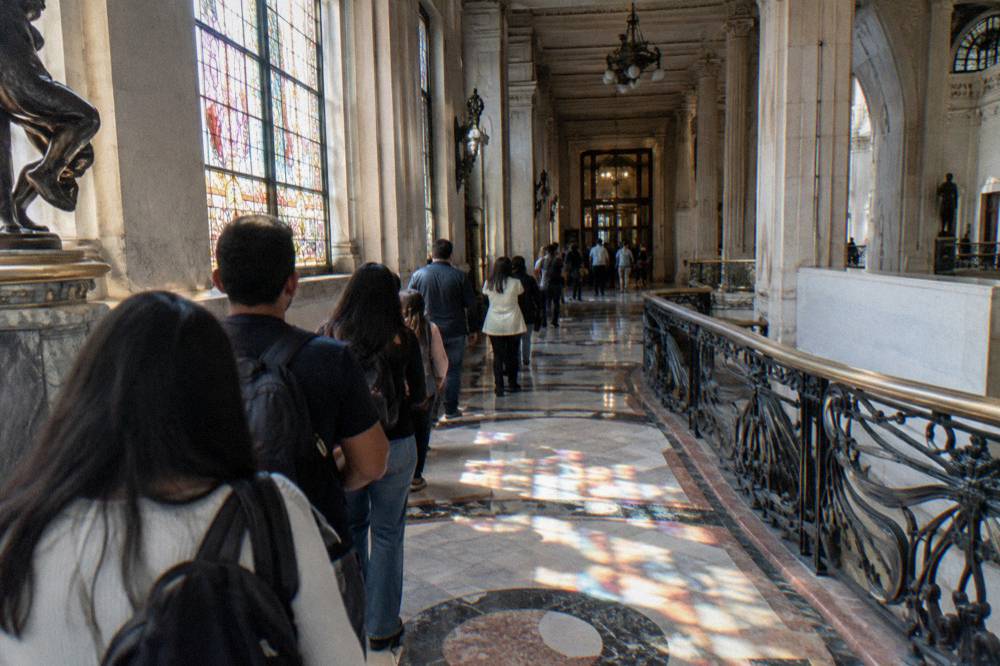
What that guiding work actually involves is worth spelling out, because it explains why the tip is the guide's entire income from the walk. A guide running the Estación Historic Center Walk, which meets at the Metropolitan Cathedral at the Zócalo and runs two hours in English and Spanish, has learned the history of the Centro Histórico well enough to answer questions that go off script. They manage the group through crowded streets, keep the pace workable for everyone, and handle the practical questions travellers always bring, from where to eat to how the Metro works, whether or not the answers are part of the tour.
The platform's role is narrow and worth understanding. GuruWalk and freetour.com are listing and booking systems: they host the walk's page, take the reservation and pass the meeting point to the guest. Neither platform charges the guest anything, and neither sets a tip. The guide is an independent local operator who uses the platform to reach travellers, which is why payment happens in person, on the street, after the service.
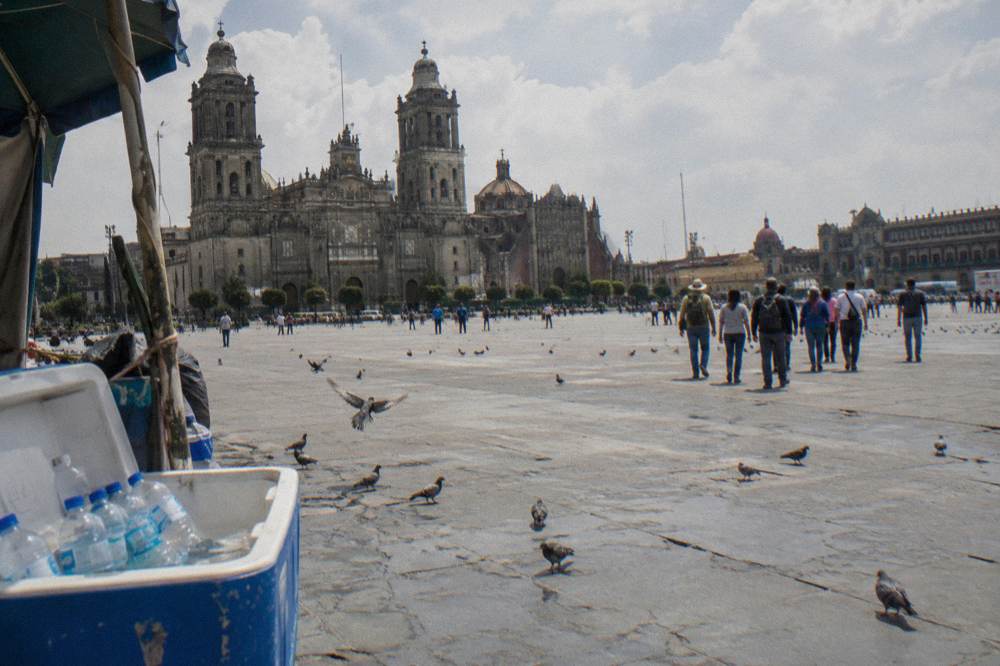
The Two-and-a-Half-Hour Introduction by Kactus is the clearest example of what the free part covers. It meets at the Plaza de la Constitución, Zócalo, runs two hours and thirty minutes, and is offered in English and Spanish, with 4.82 out of 5 across 4,138 GuruWalk reviews behind it. Everything from the handshake at the meeting point to the goodbye at the end is included at no charge; only the tip at the finish line is yours to decide.
What Do You Still Have To Pay For?
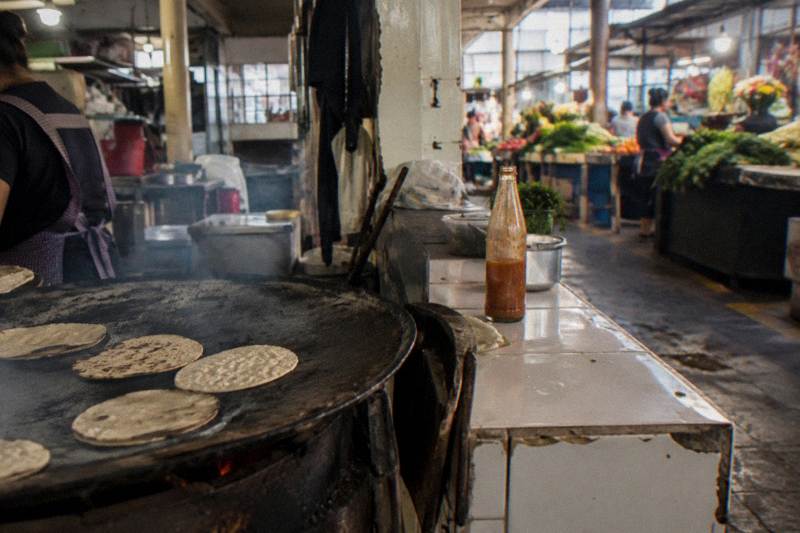
The guiding itself stays free and pay what you want, but you still cover certain extras yourself: food and drinks on the taco and street food walks, the cable car fare on the urban art walk, and museum entry where a walk passes a paid museum. Those listings flag the added cost, no amounts are stated, and your tip for the guide comes on top of those purchases rather than replacing them.
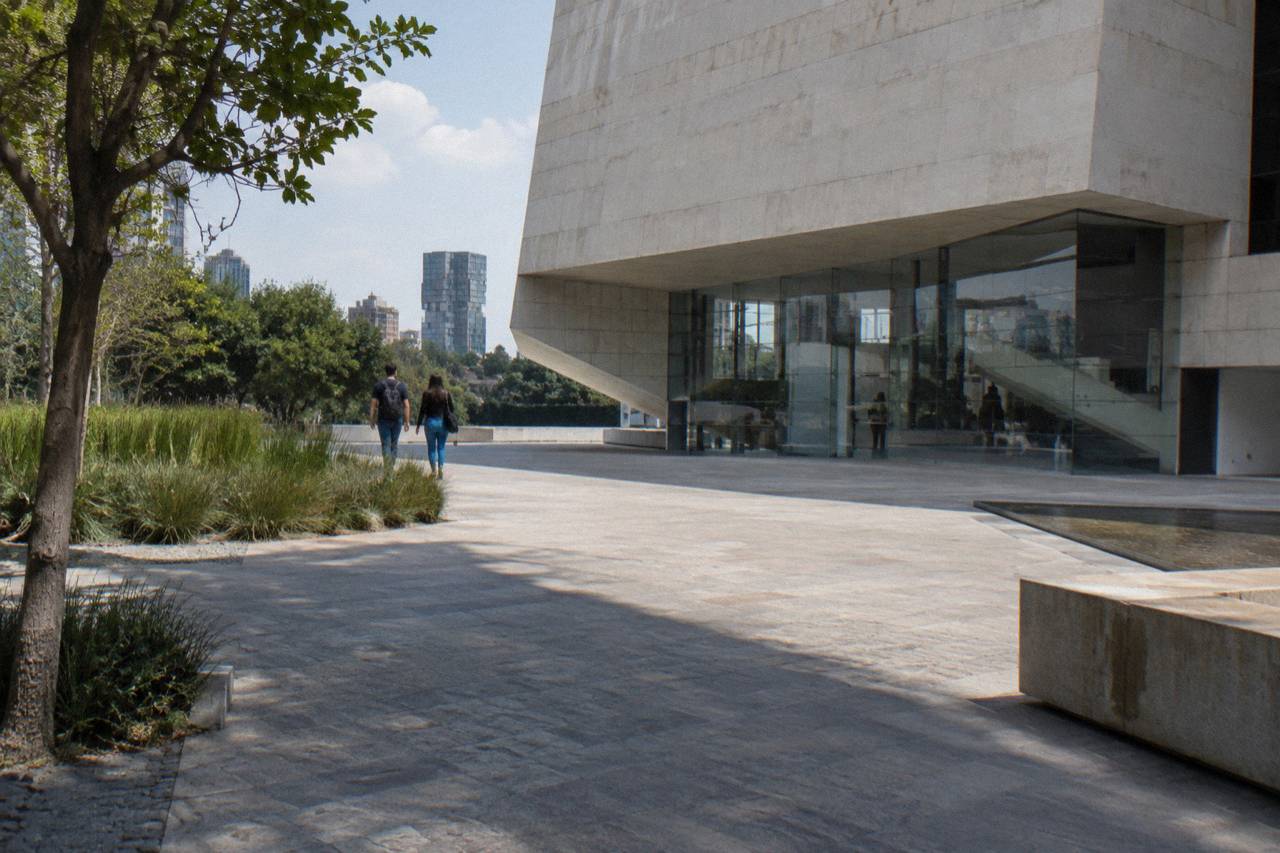
The clearest cases are the food walks. The Street to Michelin Taco Tour by Estación and the Street Food, Mezcal Tasting Included walk by Ian Kaare build their routes around taco and mezcal stops, and both state on its GuruWalk page that whatever you eat or taste is bought separately. The guiding around it remains free. The same applies to the Cable Car and Urban Art walk by Kactus, where the cable car ride that gives the walk its viewpoint is a paid transit fare the guest covers.
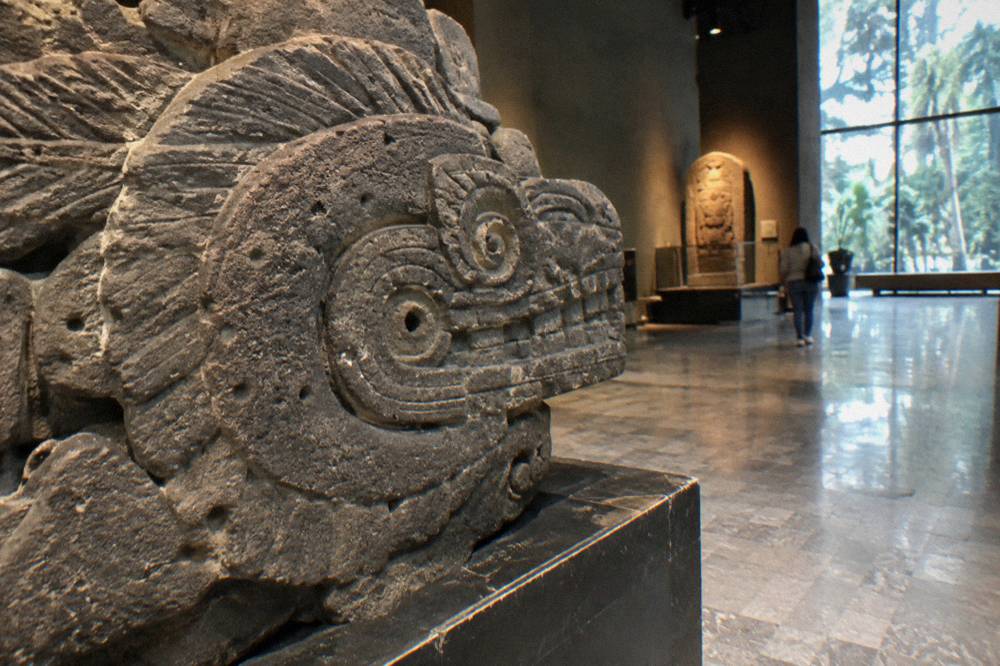
Museum entry is the other common extra. The Coyoacán walks listed here tell the Frida Kahlo story in different ways, and the Museo Frida Kahlo is a paid museum: MXN 320, online tickets only with no in-person sales, closed Mondays, and the ticket also includes the Museo Anahuacalli, per the museum's own page at museofridakahlo.org.mx. The walk itself does not enter, but travellers who want to go inside need to plan for that separately, and the online-only rule is worth knowing before you follow the walk's finish with a museum visit.
Not every paid landmark is a trap in disguise, but the free-versus-paid split is real across the city, and knowing it before a walk helps you budget the day honestly. The pattern repeats: a free public space with a paid highlight inside or beside it.
| Walk | Platform | Extra you buy separately |
|---|---|---|
| Street Tacos, Safety Focus | GuruWalk | Food and drink at the taco stops |
| Street to Michelin Taco Tour | GuruWalk | Tacos along the route |
| Street Food, Mezcal Tasting Included | GuruWalk | Street food and the mezcal tasting |
| Cable Car and Urban Art | GuruWalk | The cable car fare |
| Anthropology Museum, Spanish Guide | GuruWalk | Museum entry |
The Museo Jumex, by contrast, shows how free attractions and free walks can stack: it is free to everyone on open days, closed Mondays, with exhibitions including Richard Prince running to 7 February 2027 on its official page at fundacionjumex.org. A Reforma-area walk followed by a free museum costs nothing but the tip and the transit, which is the arithmetic this whole site exists to document.
When Is The Free Visit Available?
The free visit is available at whatever times each guide lists: the meeting time, the days of the week, and the languages offered all appear on that guide's GuruWalk or freetour.com page. Every listed time slot is free, with no paid time slot or premium version, and whether the slot is full or a quiet weekday morning, reserving it costs nothing.
Language matters more than timing here. Several walks in the directory run in Spanish only, including the Spanish-Only Coyoacán and Frida walk by Kactus and the Anthropology Museum walk guided by Alondra Lizette, and the listings say so plainly. Booking a Spanish-language walk as an English speaker is the single easiest way to waste the guide's time and your own, so the language line on its GuruWalk page deserves a read before anything else.
Duration is the other scheduling fact that shapes the day. The walks in the directory run from ninety minutes, for the compact Tenochtitlan walk by Martelbi, to three hours forty-five minutes for the Cable Car and Urban Art walk, the longest listed here. A two-hour walk with a coffee before and lunch after fits an afternoon; the long urban art walk is closer to a half-day commitment and deserves a clearer plan around it.
Weekday versus weekend is a real choice on the traveller's side, though the guides' schedules, not a general rule, decide what is on offer. The practical approach: pick the walks that match your neighbourhoods first, then read each guide's own page for the days and times they actually run, then book. The platform shows live availability, and cancelling a booking you cannot make costs nothing, which is basic courtesy to a guide whose income depends on who shows up.
Where Does The Free Visit Start?
The free visit begins at the meeting point printed on each walk's listing in the directory, always a public, easy-to-find spot such as the Plaza de la Constitución at the Zócalo or the main entrance of the Metropolitan Cathedral. There is no office, ticket desk, or printed voucher involved: your guide simply meets the group at that stated point and the walk starts there.
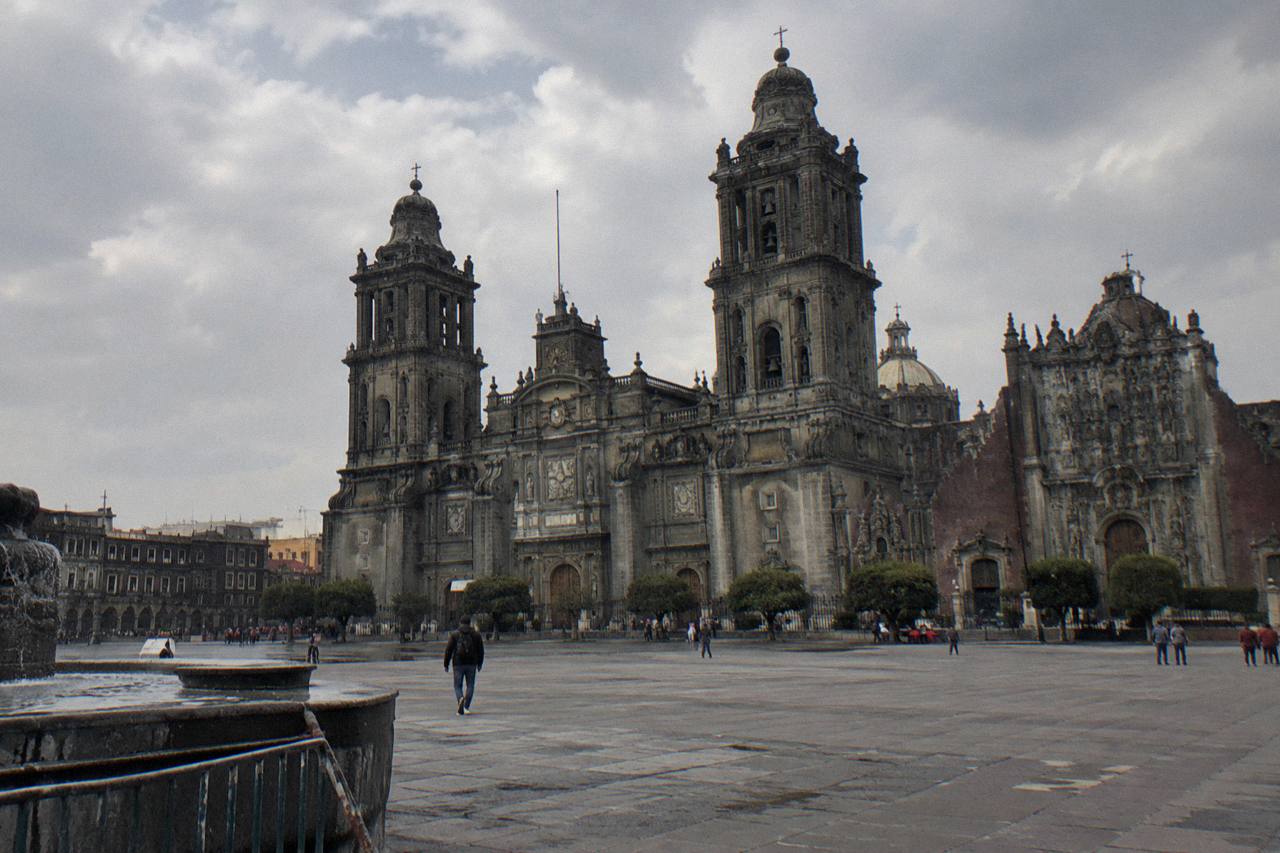
The meeting points are not trivia, they are how you match a walk to your day. The Centro Histórico walks cluster around the Zócalo and its edges: the Two-and-a-Half-Hour Introduction and the Historic Center With a Historian walk both start at the Plaza de la Constitución, while the Estación Historic Center Walk meets at the Metropolitan Cathedral and the History, Art and Cuisine Walk by Andares starts at República de Guatemala 4. Staying anywhere near the Centro means you can walk to several of these starts.
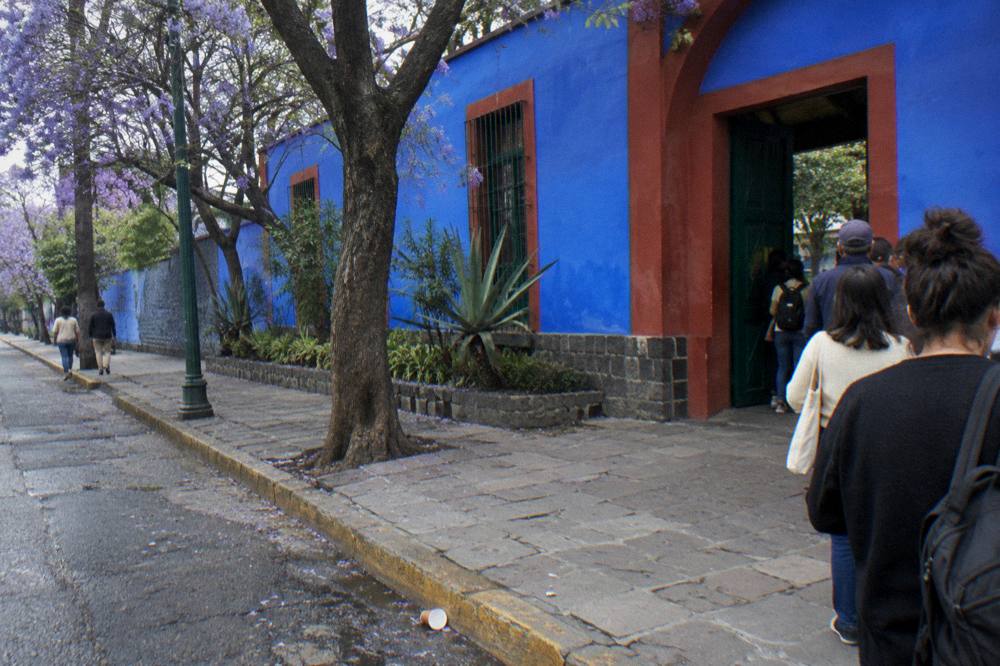
The other neighbourhoods each have their own anchors. The Trendy Roma and Condesa walk by Estación meets at Avenida Cuauhtémoc 19 in Roma Norte. The Reforma Essentials Walk meets at Calle Florencia 39 in the Zona Rosa. The Coyoacán walks meet in Del Carmen, with the Frida, Markets and Urban Art walk by Axolotours starting at Londres 247, right in front of the Frida Kahlo Museum. The Santa María la Ribera Alternative, listed on freetour.com, meets at the parish church of San Cosme and San Damián.
The Estación Historic Center Walk, meeting at the Metropolitan Cathedral, Zócalo, runs two hours in English and Spanish and carries 4.83 out of 5 across 2,838 GuruWalk reviews. Its meeting point puts you at the heart of the Centro Histórico before the first word of commentary, which is the quiet advantage of the Zócalo starts: the walk's setting is the attraction.
One habit worth forming: arrive at the meeting point a few minutes early and identify the guide before the start time. The listings describe who to look for, and the meeting points are public squares where other groups also gather. Confirming you are standing with the right guide takes ten seconds and prevents the small comedy of following the wrong tour out of the square.
Which Free Walking Tours Cover This?
The directory ships 24 pay what you want walks on GuruWalk and freetour.com, spread across the Centro Histórico and Zócalo, Coyoacán and San Ángel, Roma, Condesa and Juárez, Chapultepec and Reforma, the taco and market walks, and the hidden neighbourhoods with urban art. Every one of them works on the same tipping model described above, and the choice between them is a choice of neighbourhood and guide, never of price.
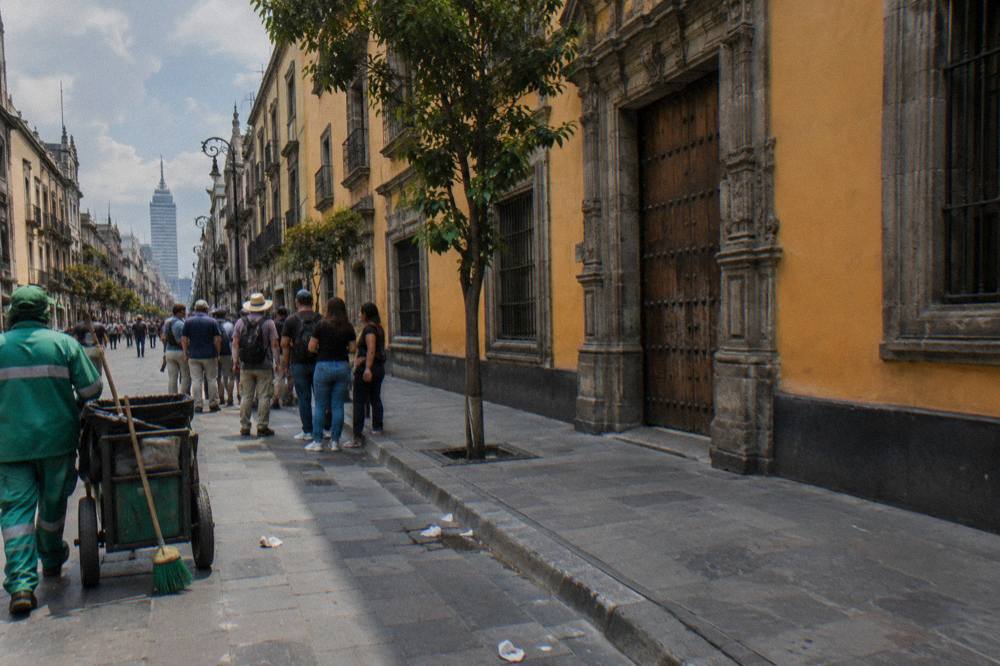
The Centro Histórico group is the deepest. Alongside the Two-and-a-Half-Hour Introduction and the Estación walk already covered here, there is the Historic Center With a Historian by Free Tour Europe, 4.91 out of 5 across 1,360 GuruWalk reviews, offered in German, English and Spanish over two hours fifteen minutes, and the History, Art and Cuisine Walk by Andares, English only, two hours from República de Guatemala 4. Other walks on this site add depth: the Downtown Secrets Walk by Wro Tours, listed on freetour.com at 9.8 out of 10 across 205 reviews, and the compact Tenochtitlan walk by Martelbi in Spanish and Italian.
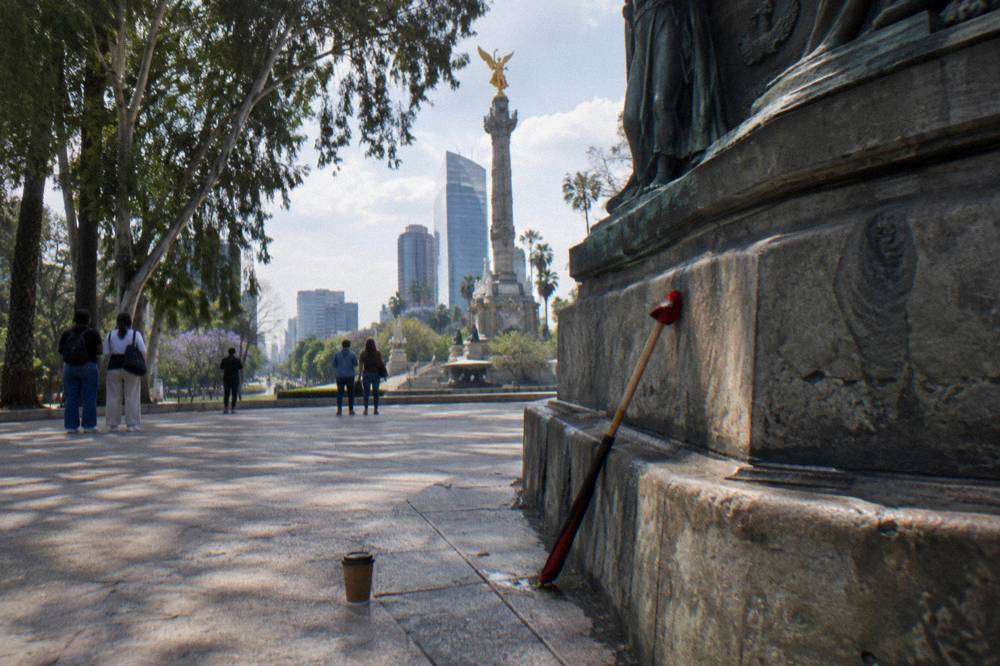
Coyoacán carries the Frida story from two angles, both meeting in Del Carmen, plus the San Ángel and University City walk by Estación, which meets at the Octavio Paz Bookstore and reaches the UNAM campus, a free-to-visit site in its own right. Roma and Condesa is covered by the Trendy Roma and Condesa walk. Chapultepec and Reforma offer the Reforma Essentials Walk on GuruWalk, while the Chapultepec Castle and Lake walk by Kactus Tour runs on freetour.com, meeting at Paseo de la Reforma 132.
The food category deserves its own paragraph because it interacts with the tipping question directly. The taco and street food walks carry the extra costs described earlier, so the honest comparison against a fully free walk is not the tip but the tip plus what you spend at the stops. A traveller comparing the Street Food, Mezcal Tasting Included walk by Ian Kaare, 4.96 out of 5 across 121 GuruWalk reviews, against a Centro walk needs to budget for both layers on the food walk and only one on the Centro walk.
This site, Free Things To Do In Mexico City, exists to make exactly that arithmetic visible. The tour pages hold the meeting point, language, duration and rating for every walk, so the choice can be made on facts rather than on whatever a search result happens to surface. For the mechanics of the model itself, the how free walking tours work piece covers the platform side, and the safety question has its own page.
Mistakes That Trip People Up At Free Walking Tour Tipping
The recurring mistakes are predictable: treating the tip as optional in the sense of skippable, arriving without cash, tipping a figure borrowed from another country's norms, booking a Spanish-only walk as an English speaker, and forgetting that food, cable car and museum extras sit outside the tip. Each of these is avoidable with one piece of knowledge, and none of them requires a printed price list.
The first mistake is philosophical. Pay what you want means the amount is your choice, not that the guide's time is worthless. The model only functions if people who received the service pay something for it, and a walk that gets zero from everyone is a walk that stops running. The choice in the model is the size of the payment, not its existence.
The second is mechanical: no cash, no tip. Payment happens in person at the end, so the whole plan fails if the wallet holds only a card. The third is comparative: importing a fixed figure from another country or another city's forum thread and applying it here. No listing in this directory states a suggested amount, and a number copied from elsewhere is a guess dressed as research. Judge the walk you actually took.
The fourth is linguistic. The Spanish-only walks are listed in Spanish for a reason, and the listing says so before you book. The fifth is structural: tipping the guide and then being surprised by the taco bill or the cable car fare. The extras are on GuruWalk before you book; reading them is part of booking well.
Common Questions On This Topic
How Much Should You Tip On A Free Walking Tour In Mexico City?
No walk states a figure: every tour in the city's directory is pay what you want, and the amount is decided by each guest and handed to the guide in cash at the end. Length, language, group size and the quality of the guiding are the fair inputs to that decision. A number copied from another country's forum thread is a guess, not a rule.
Do I have to book in advance or can I just show up?
Booking through the guide's GuruWalk or freetour.com page is how the model works: it costs nothing, reserves your place and tells the guide how many people to expect. Showing up unannounced can work on a quiet day, but the platform reservation is free, takes a minute, and lets the guide plan the group size properly.
Can I pay the tip by card?
No. Payment happens in person, on the street, at the end of the walk, and the model runs on cash. Neither GuruWalk nor freetour.com processes tips. Bring small bills so the handover is simple, and decide your amount during the walk rather than scrambling at the goodbye.
Is a free walking tour really free if a tip is expected?
The guiding is genuinely free: no booking fee, no deposit and no required payment on any listing in the directory. The tip is voluntary and its size is your choice, but it is the guide's income from the walk, so the honest reading is that you are choosing the price after the service rather than before it.
Do the food and museum walks cost money too?
The guiding on those walks is still pay what you want, but the extras are bought separately: food and tastings on the taco and street food walks, the cable car fare on the urban art walk, and museum entry where a walk passes a paid museum. The listings flag these additional costs, and no amount is stated for any of them.
What happens if the walk was bad?
The same thing that happens with any service priced afterwards: the amount you hand over should reflect what you received. A weak walk justifies a small tip, a strong one justifies a generous one, and that feedback loop is the mechanism that keeps good guides running walks. Leaving an honest small tip communicates more than silence.