Tlatelolco: What Is Free And What Costs Money
Tlatelolco splits cleanly in two: the Plaza de las Tres Culturas costs nothing to walk, while the excavated archaeological zone beside it is a paid INAH site.
In Short
The Plaza de las Tres Culturas is free, an open public space anyone can walk at any hour. The adjacent Tlatelolco archaeological zone is a paid INAH site at MXN 155, free on Sundays only for Mexicans and foreign residents with ID, and tourists pay every day. This INAH site is open daily, Mondays included.
Part of the Free Things To Do In Mexico City guides, this one covers Tlatelolco and what a visit there actually costs.
Quick Facts
| Question | Answer |
|---|---|
| Is the Plaza de las Tres Culturas free? | Yes, an open public space, free to walk |
| Is the archaeological zone free? | No, MXN 155, an INAH site |
| Is Sunday free at Tlatelolco? | Only for Mexicans and foreign residents with ID; tourists pay |
| Closing day | None, open daily |
| Free walk platform nearby | GuruWalk and freetour.com walks meet in the Centro Histórico |
Is Tlatelolco Free To Visit?
Partly, and the split matters more here than almost anywhere in the city. The Plaza de las Tres Culturas itself is free, an open public space you can walk without a ticket, a gate or a schedule. The excavated archaeological zone beside it is an INAH site that charges MXN 155 to enter, with a Sunday free rule for Mexicans and foreign residents with ID only.
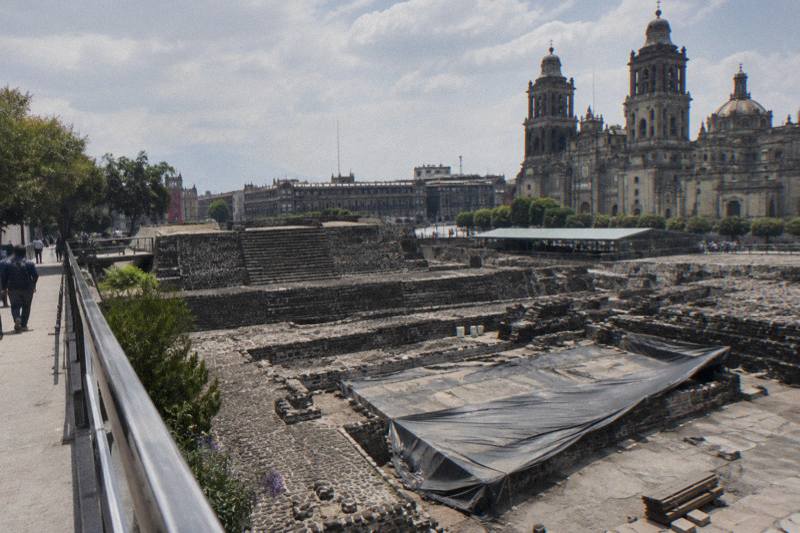
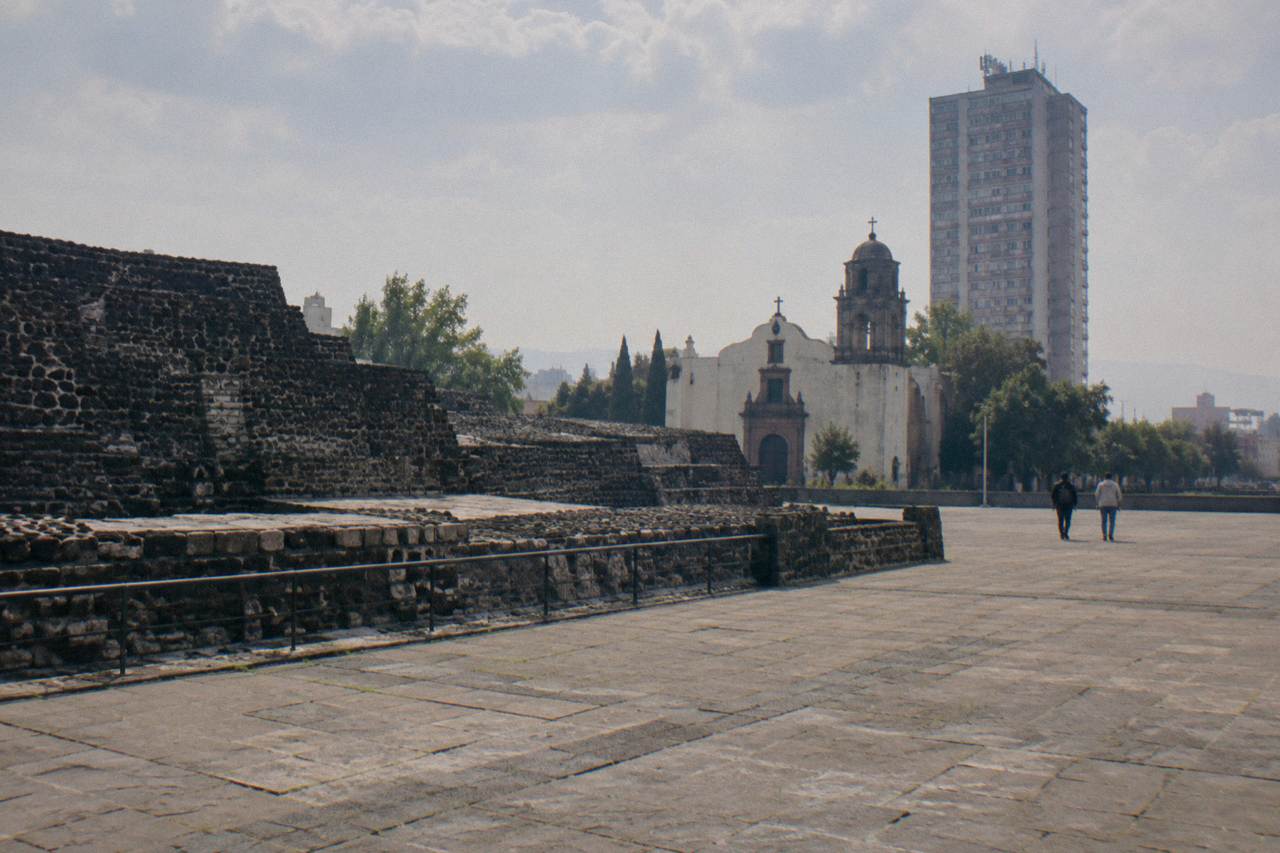
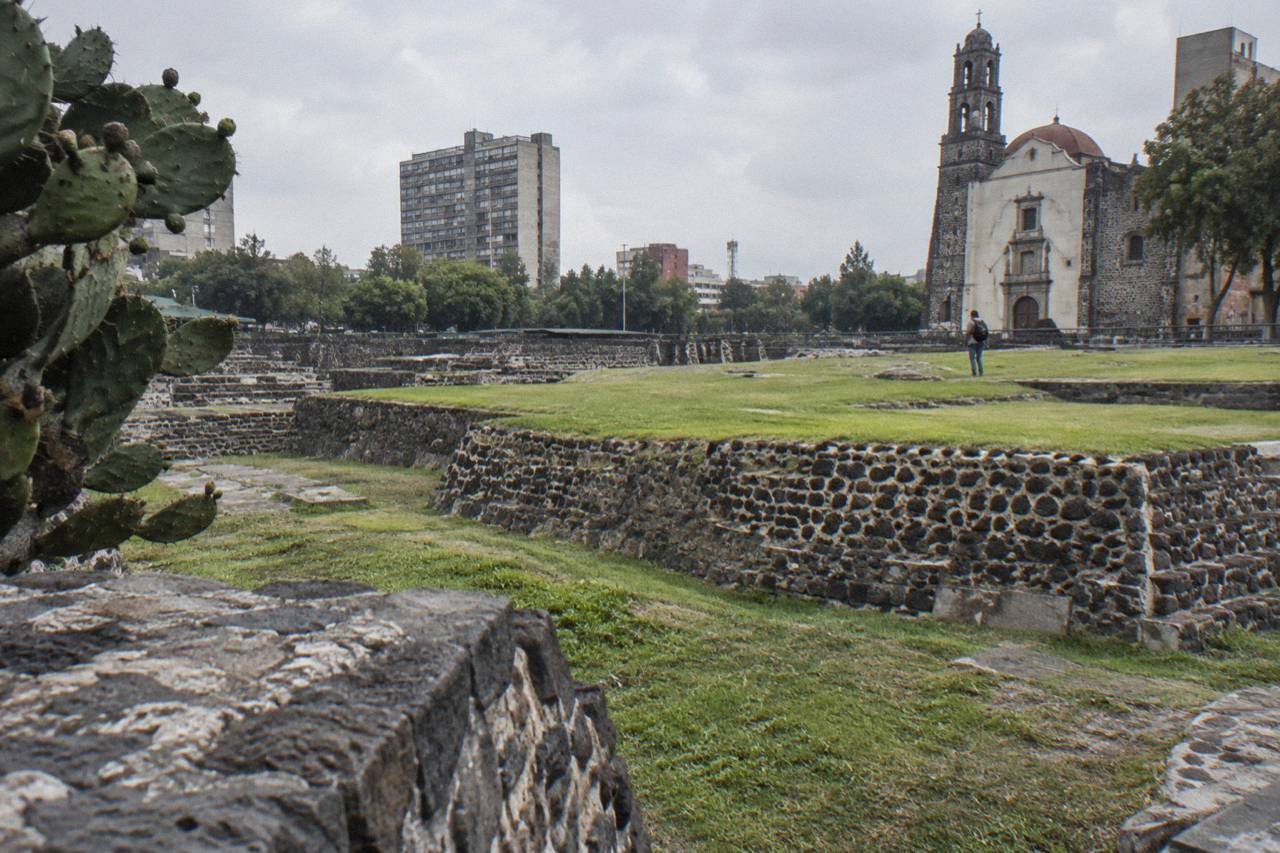
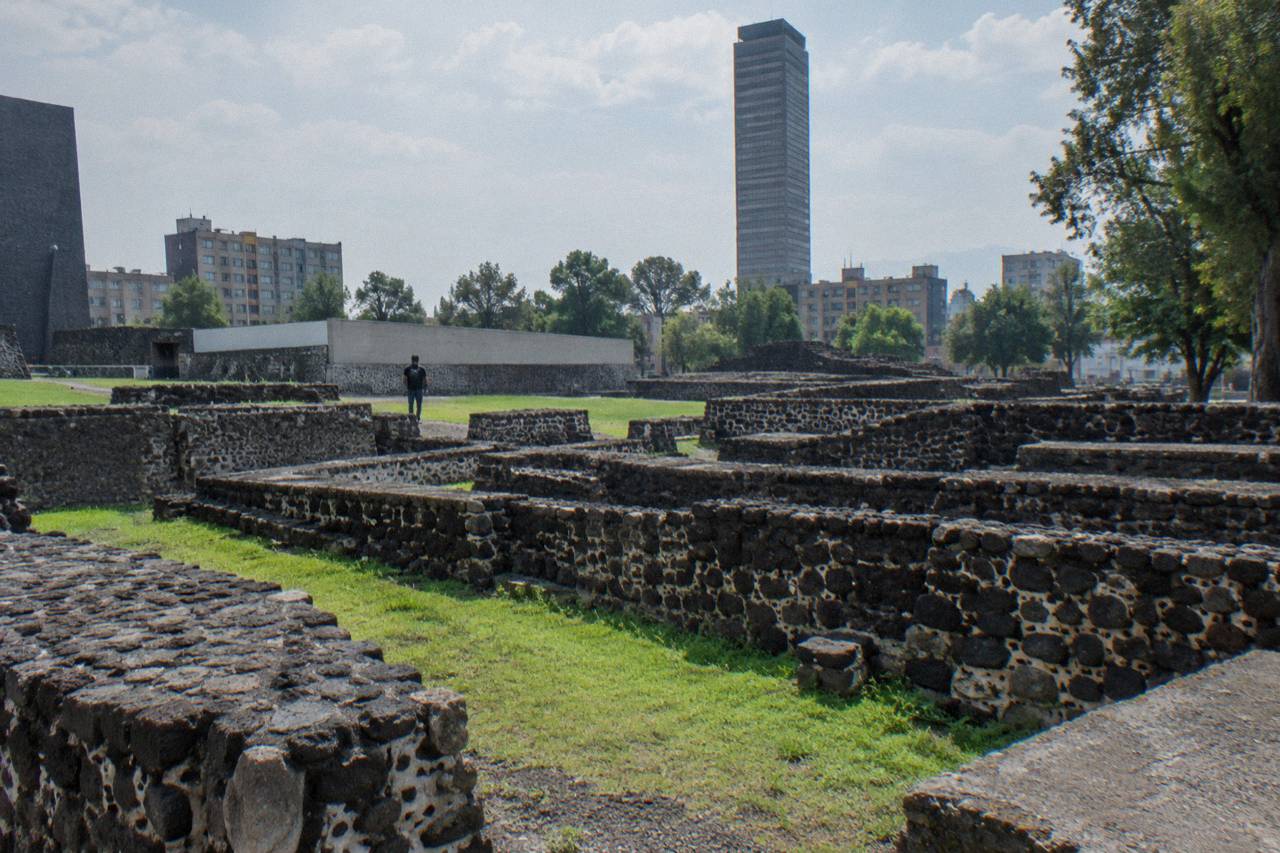
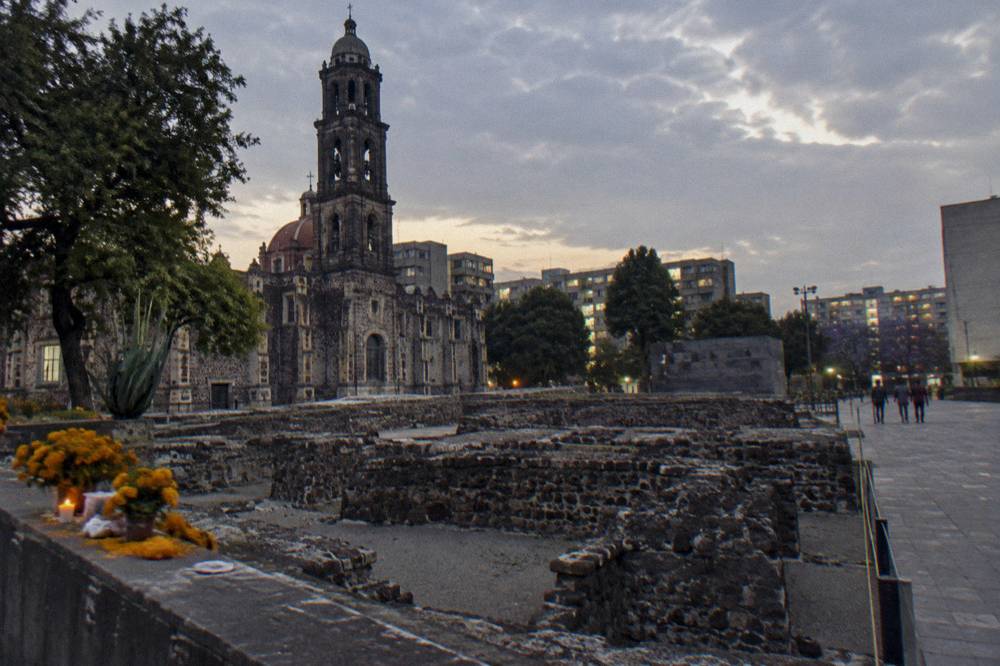
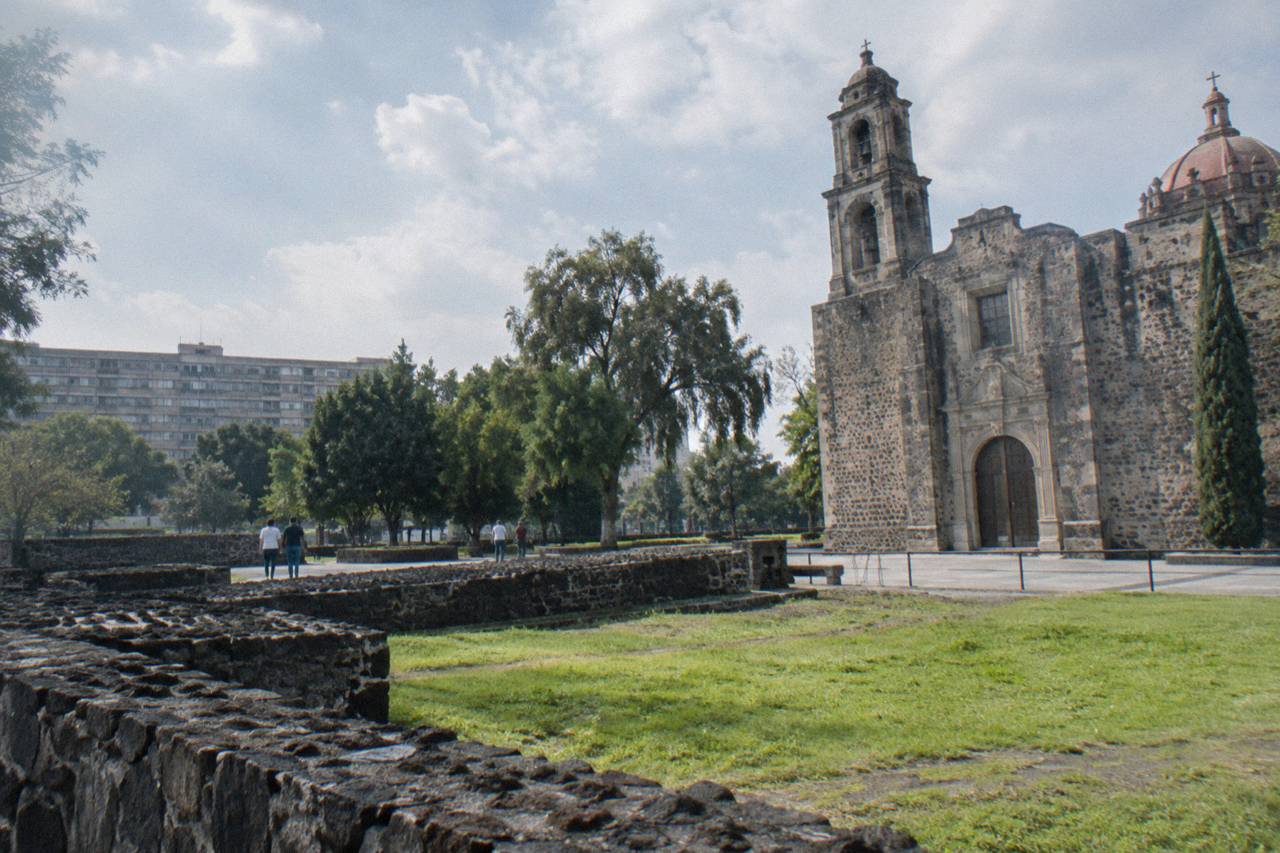
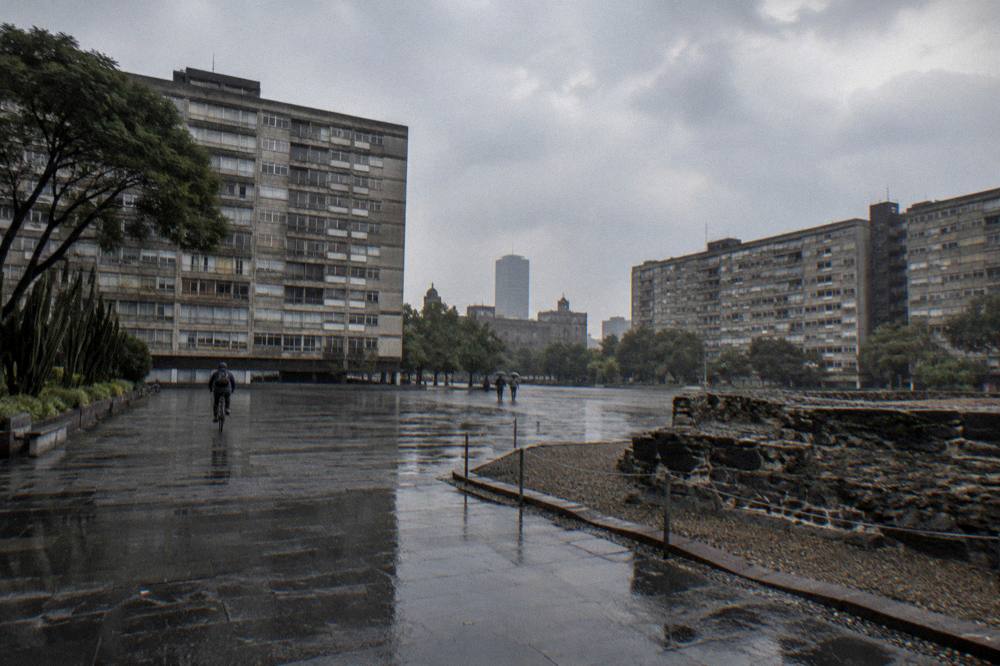
That two-part split is the whole story of Tlatelolco, and it trips up visitors who read "free plaza" and expect the ruins to follow. They do not. The plaza is the broad open ground where the three layers of the site sit side by side: the pre-Hispanic remains, the colonial church of Santiago de Tlatelolco, and the modern housing blocks that rose around both. Walking that ground, photographing the church frontage and standing at the edge of the excavations costs nothing at all, at any hour the plaza is open to the public.
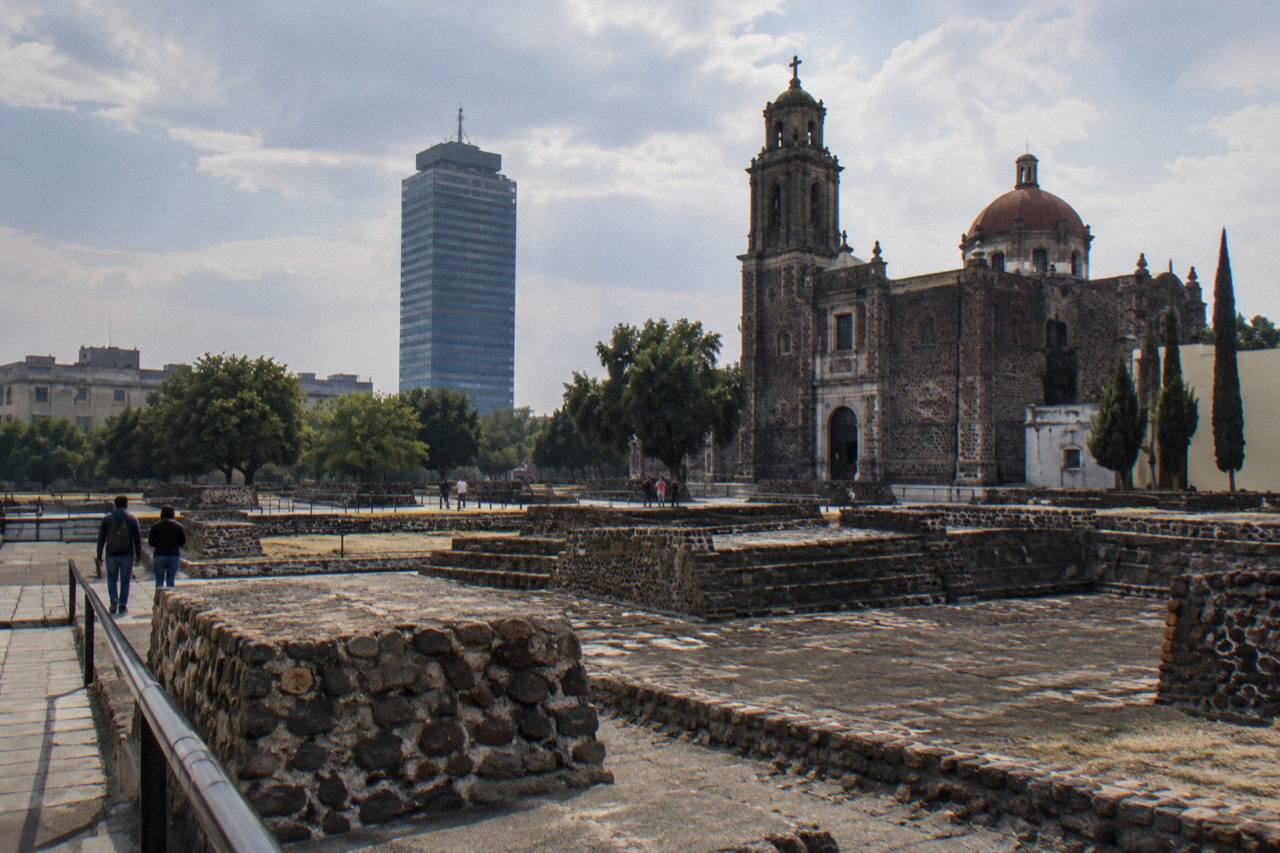
The archaeological zone is a separate, fenced attraction with its own entrance and its own price. INAH, the National Institute of Anthropology and History, runs it under the same national scheme as the Castillo de Chapultepec, the Museo del Templo Mayor, the Museo Nacional de Antropología and Teotihuacan, and that scheme has a price (MXN 155 at Tlatelolco, MXN 210 at the larger sites), a Sunday exception and, unlike the museums, daily opening. The Sunday exception is the part most often misread. Under the INAH free-entry policy Sundays are free for Mexicans and foreign residents with ID, not for foreign tourists, so a visitor from abroad pays MXN 155 on a Sunday exactly as on a Wednesday.
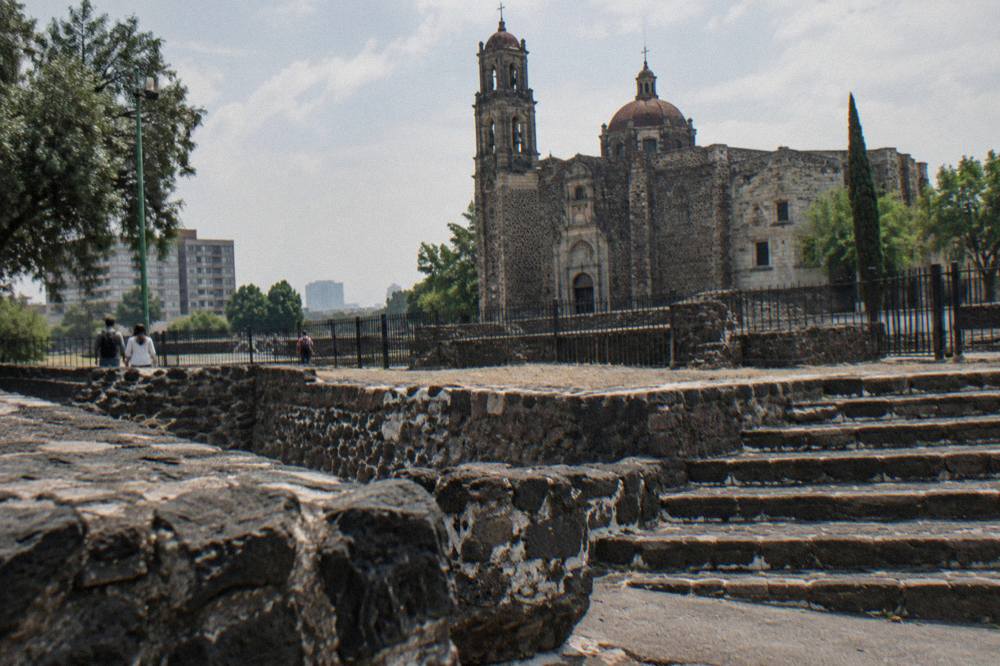
It helps to think of the visit in two decisions rather than one. The first is whether to come at all, and the plaza alone justifies the trip for most people: the layered skyline of ruins, church and tower in a single frame exists nowhere else in the city. The second is whether the MXN 155 zone entry adds enough, and that depends on how much time you have and how deep your interest in the excavation runs. Both decisions are covered in the sections below, first the free side, then the paid side, then how the Sunday rules land on an itinerary, as the archaeological zone is open daily, Mondays included.
The rest of this guide sticks to what the official sources establish. Where something is not settled, like access details inside the zone beyond the entry price, it says so by omission rather than guessing; the zone itself opens daily, Mondays included. For a wider view of which museums and sites in the city cost nothing, the companion piece on free museums in Mexico City maps the full free and conditional list.
What Is Free Around Tlatelolco?
The Plaza de las Tres Culturas is the free centrepiece: open public space, no ticket, no gate, walkable whenever the plaza is open to the public. Around it, the church of Santiago de Tlatelolco stands on the plaza's edge, and the modern Tlatelolco district with its housing blocks and open ground is yours to walk. No entry fee applies to any of the outdoor ground.
Start with the plaza itself, because it delivers the site's whole idea without a peso spent. The open ground frames the pre-Hispanic remains from the outside, the colonial church frontage, and the apartment towers behind, and the contrast is the attraction. Photographers spend an hour here without ever approaching the ticket desk, and the plaza's scale means it never feels like a museum forecourt. It is a neighbourhood square that happens to contain a thousand years of building history.
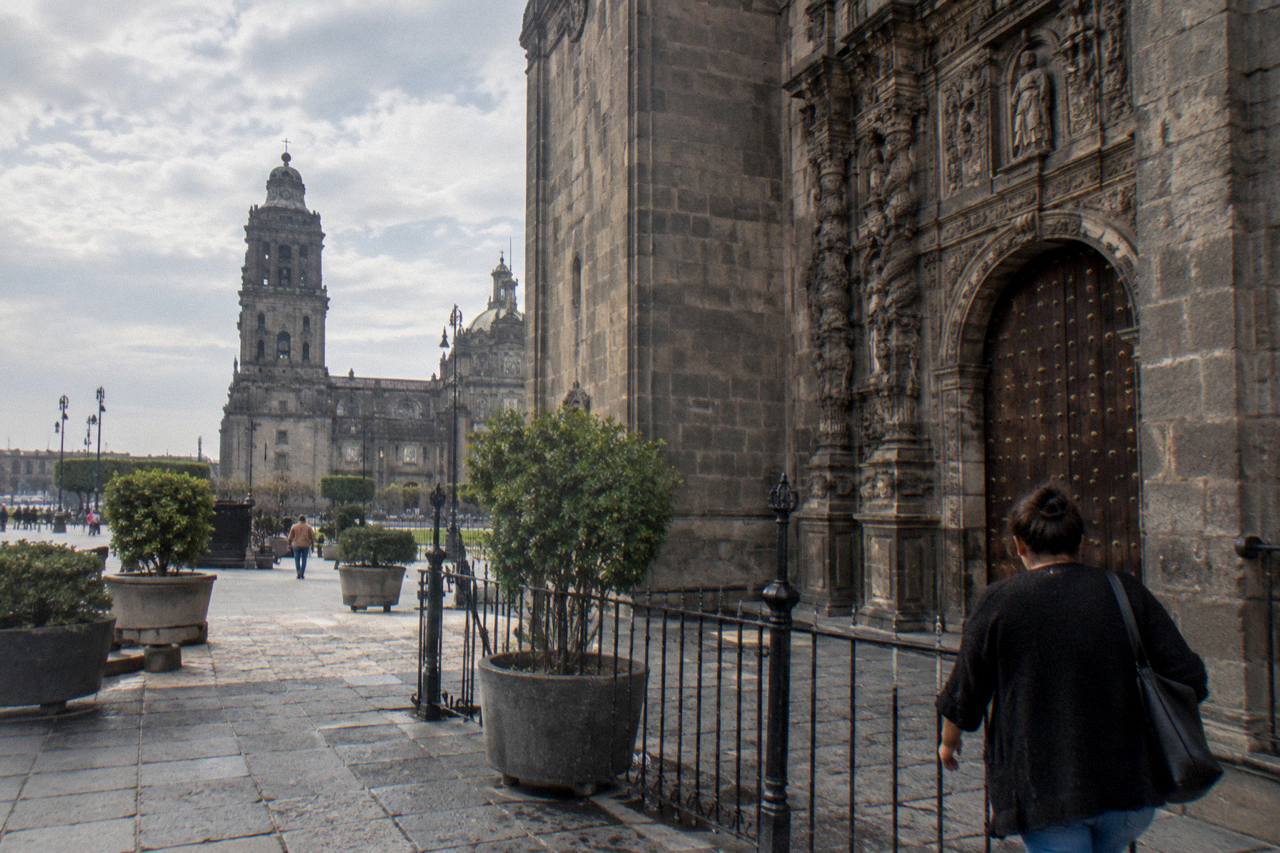
The church of Santiago de Tlatelolco sits at the heart of that square. As with any working church, access follows the parish's own arrangements, so treat it as something you see from the plaza rather than something you plan to enter, unless a notice at the door says otherwise. The same honesty applies to the site's memorials and monuments on the plaza ground: they stand in the open and cost nothing to stand before.
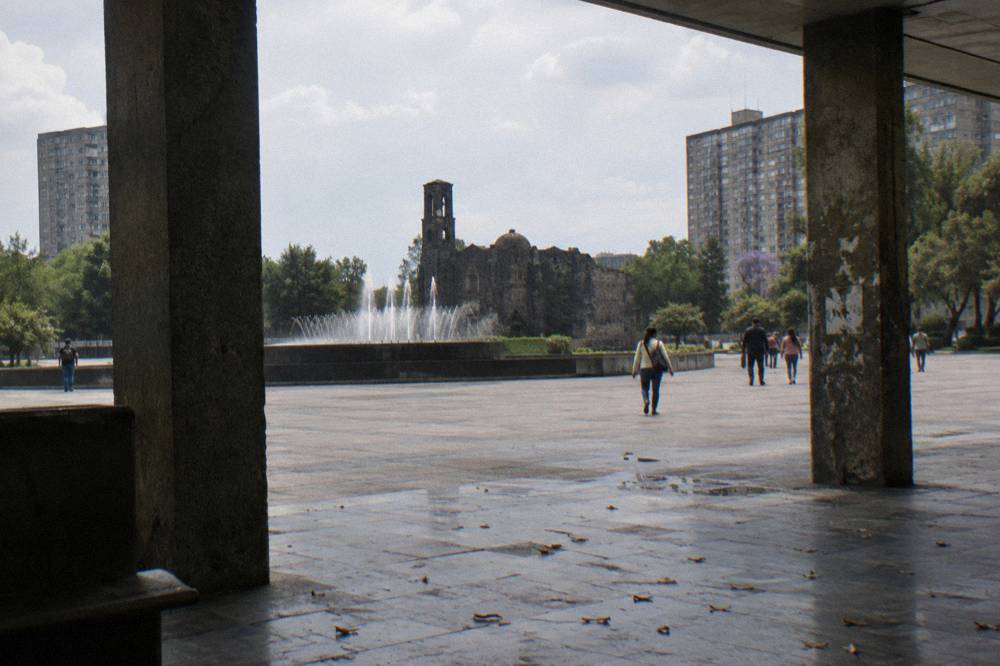
Beyond the plaza, the surrounding district rewards a slow loop. The Tlatelolco housing complex is one of the largest modernist developments in the city, and its walkways, plazas and green spaces are ordinary public ground, free to anyone. The stroll is short, self-guided and unstructured, which is exactly its appeal: there is no route to follow, no schedule and nothing to book.
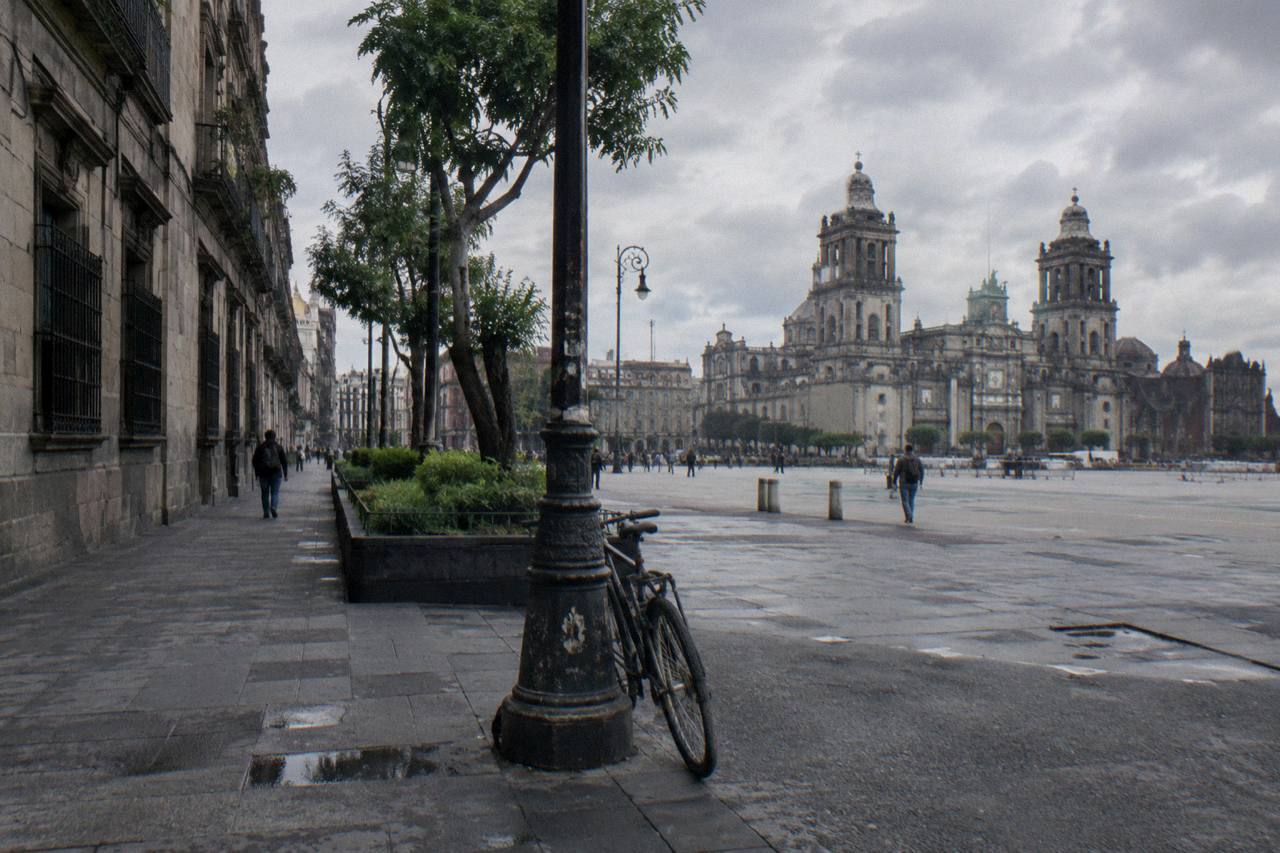
To the south, the Centro Histórico's free public spaces are close enough to fold into the same morning, and the Zócalo guide covers that square's own free status. For visitors who prefer to see a district with a local guide rather than alone, the city's pay-what-you-want walks cost nothing to join, and this directory's free walking tours overview explains how the model works: guiding is free at the point of booking, and you tip what the walk was worth at the end.
For a sense of how the free pieces stack up across a whole day, the cost of a free day in Mexico City runs the arithmetic on a day built entirely from free plazas, markets and museums.
If a guided walk is how you would rather anchor the day, these pay-what-you-want options are a good match for a Tlatelolco visit, since all of them meet in the Centro Histórico a short ride away.
What Costs Money At Tlatelolco?
The Tlatelolco archaeological zone is the only paid element on the site: MXN 155, collected at the entrance by INAH. Sunday does not remove the charge for tourists, because the INAH Sunday rule covers Mexicans and foreign residents with ID only. The zone stays open on Mondays, unlike the INAH museums, so a Monday visit still gets you the free plaza and the paid zone beyond.
The price is fixed and printed on the INAH regime: MXN 155 at Tlatelolco, against MXN 210 at the larger INAH sites. That makes it one of the cheaper INAH entries in the city, and the excavation is compact, so the price buys a focused visit rather than a half-day museum. What the entry includes beyond the excavated remains is not stated anywhere official, so plan on the zone itself and treat anything further as a bonus.
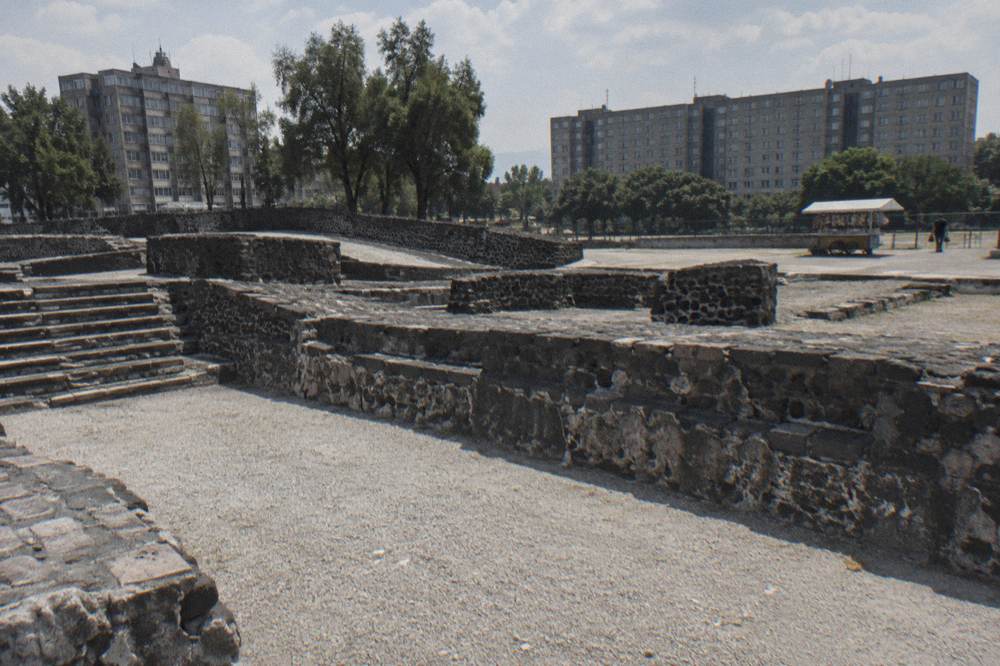
The Sunday rule deserves its own sentence, because it is the single most common mistake at every INAH site in the city. Sunday free entry at Tlatelolco is for Mexicans and foreign residents with ID, per INAH policy. Foreign tourists pay MXN 155 on Sunday the same as any other day. If you have read that "museums are free on Sunday in Mexico City", that claim is a garbled version of several different schemes, and the full breakdown of museum free days sorts which Sundays serve whom, site by site.
| Item | Status | Price |
|---|---|---|
| Plaza de las Tres Culturas | Free, open public space | MXN 0 |
| Tlatelolco archaeological zone | Paid INAH site | MXN 155 |
| Sunday entry, Mexicans and residents with ID | Free under the INAH scheme | MXN 0 with ID |
| Sunday entry, foreign tourists | Paid | MXN 155 |
| Monday | Zone open | Plaza walkable |
No other charges attach to Tlatelolco itself: no paid mirador, no paid tower, no split ticket. Compare that with the city's other two-part sites, where the free piece and the paid piece sit in the same sentence: Chapultepec's forest is free while the Castillo de Chapultepec costs MXN 210 and closes Mondays, and the Monumento a la Revolución plaza is free while its mirador is ticketed. Tlatelolco follows the same pattern, just with a lower number.
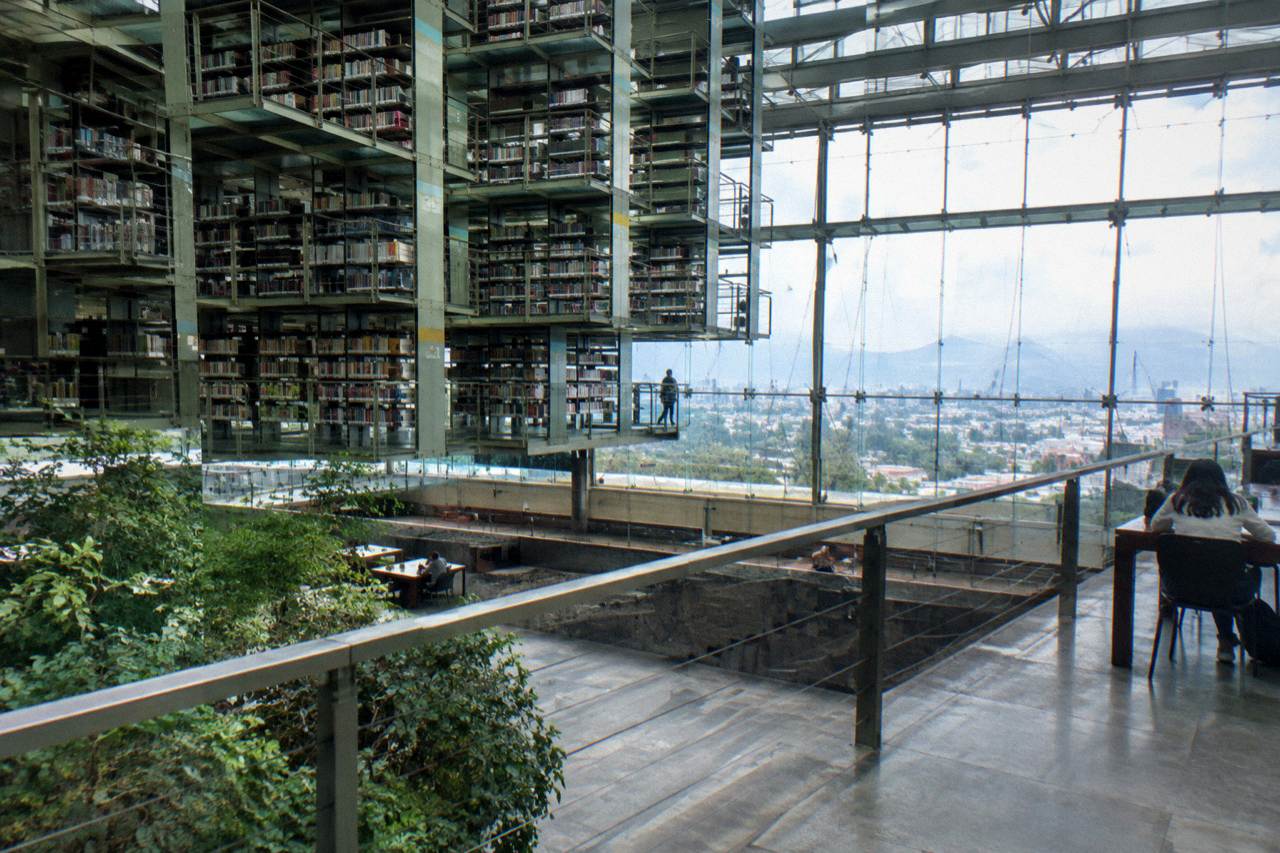
If the paid entry pushes the day over budget, the honest alternative is the plaza plus the city's genuinely free museums, several of which cost nothing on any open day. The Museo Soumaya is free every day it is open, the Museo Jumex is free on every open day, and the Biblioteca Vasconcelos is free outright. Those three alone fill an afternoon for nothing, and each has its own guide on this site.
The one walk in this directory that pairs naturally with a Centro Histórico day is the Two-and-a-Half-Hour Introduction by Kactus, 4.82 out of 5 across 4,138 GuruWalk reviews, meeting at the Plaza de la Constitución, Zócalo, running 2 hours 30 minutes in English and Spanish on pay what you want. You can read the full review on the Two-and-a-Half-Hour Introduction page, and See this free tour on the guide's GuruWalk page.
When Is The Best Time To Visit Tlatelolco?
Monday works for the archaeological zone, which stays open daily, and the free plaza remains walkable any day of the week. Sunday saves MXN 155 only for Mexicans and foreign residents with ID. Beyond that, the zone is open daily, so the honest answer is any day that fits your route, Monday included.
The weekday logic is simple. Whatever day you choose, the plaza and the zone are both open, Monday included, so no closing day complicates the visit. Tuesday through Sunday, both parts of the site operate normally under INAH arrangements. Hours for the zone are not stated in the sources used here, so check the notice at the entrance or the INAH page for the day's window rather than trusting a round number quoted elsewhere. Other pages covering the same trip are gathered on Free Things To Do In Mexico City.
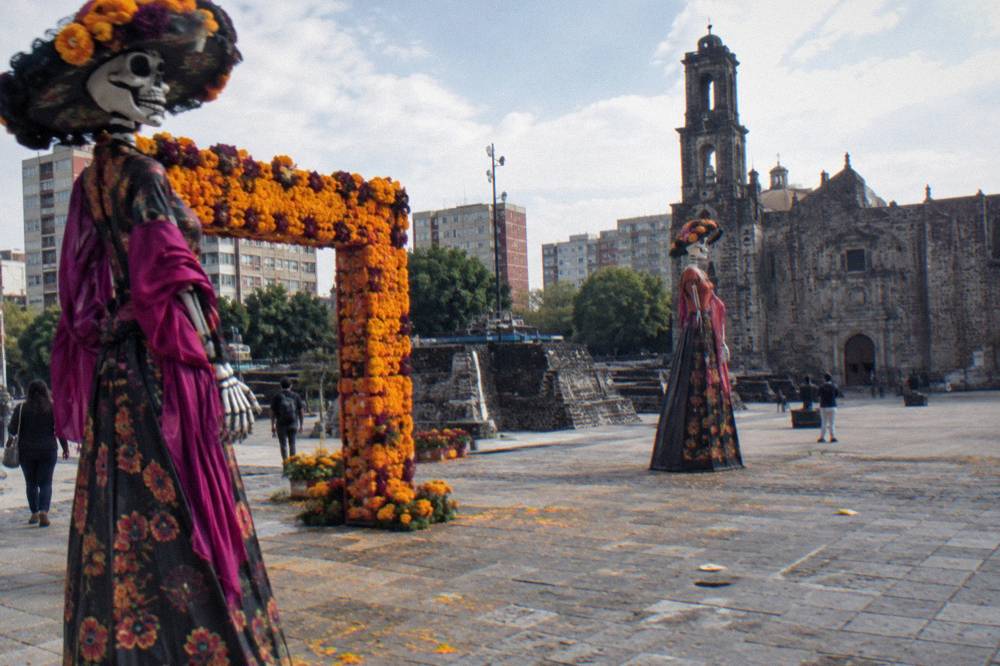
Season matters less at Tlatelolco than at the city's outdoor festival sites, because the attraction is architecture and open ground rather than a timed event. Late October and early November bring the Day of the Dead season, and the 2026 edition placed community ofrendas at sites that included the Plaza de las Tres Culturas from 29 October to 2 November; that edition has ended and nothing is announced for 2027, so expect similar dates in late October and early November rather than a confirmed program. The city's official visitor guide at mexicocity.cdmx.gob.mx carries each season's program as it is announced.
Pairing the calendar with your other plans is where the real decision lies. If Teotihuacan or the Museo del Templo Mayor is also on your list, note that both run on the same INAH scheme, the same Sunday ID rule, with Teotihuacan open daily like Tlatelolco and the Museo del Templo Mayor closed on Mondays, so spreading them across different days changes nothing about the price. The dedicated Templo Mayor guide and the is Teotihuacan free post unpack each site's own numbers.
For weather and light, this guide states nothing beyond the obvious: the plaza is fully outdoors, and the zone is largely outdoors too, so dress for the sky rather than for a gallery. No source here backs crowd or queue claims, and inventing a "go early" rule would be exactly the kind of unsourced colour this site refuses to print.
How Do You Combine Tlatelolco With Other Free Sights?
Tlatelolco pairs naturally with the Centro Histórico, whose plazas, the Zócalo and the Alameda Central among them, are free open spaces, and with the free museums that sit between them. A workable shape is the free plaza at Tlatelolco in the morning, the Centro Histórico's free squares and the paid-or-free museums after, and the Soumaya or Jumex, both free, to close.
The geography does most of the work. Tlatelolco sits at the northern edge of the Centro Histórico's orbit, close enough that a single morning can hold the Plaza de las Tres Culturas and the Zócalo without rushing. Both squares are free, so the only money in that half-day is transport and whatever you spend on food. The Alameda Central guide covers that park's own free status if you would rather thread the green spaces together.
Museums slot in by their own rules rather than yours, and the rules differ sharply, so it is worth laying them side by side before committing to a day. The free-every-day group (Soumaya, Jumex, Biblioteca Vasconcelos) fits any open day. The conditional group (Bellas Artes at MXN 95 and free on Sundays for everyone, MUNAL at MXN 95 with Sundays free for nationals and residents only, Tamayo at MXN 95 with Sundays free for all) fits around Sunday plans and ID status. The paid group (Franz Mayer at MXN 130, Memoria y Tolerancia at MXN 160, the Frida Kahlo museum at MXN 320 online only) fits a budget conversation rather than a free plan.
| Sight | Free status | Condition |
|---|---|---|
| Plaza de las Tres Culturas | Free | Open public space |
| Tlatelolco zone | MXN 155 | Sunday free for Mexicans and residents with ID only; open daily |
| Zócalo | Free | Open public space |
| Alameda Central | Free | Open public space |
| Museo Soumaya | Free | Every open day; Plaza Loreto site closed Tuesdays |
| Museo Jumex | Free | Closed Mondays |
| Palacio de Bellas Artes | MXN 95 | Sunday free for everyone; ticket at the box office only |
| Museo Tamayo | MXN 95 | Sunday free for all; closed Mondays |

A guided walk is the other way to combine, and the Centro Histórico walks slot in either side of a Tlatelolco stop. The Estación Historic Center Walk, 4.83 out of 5 across 2,838 GuruWalk reviews, meets at the Metropolitan Cathedral, Zócalo, and runs 2 hours in English and Spanish on pay what you want; its page is at Estación Historic Center Walk.
For visitors who want depth over coverage, the Historic Center With a Historian walk by Free Tour Europe runs 2 hours 15 minutes in German, English and Spanish, meeting at the Plaza de la Constitución, Zócalo, rated 4.91 out of 5 across 1,360 GuruWalk reviews, pay what you want throughout. Full details are on the Historic Center With a Historian page.
Which Free Walking Tours Meet Near Tlatelolco?
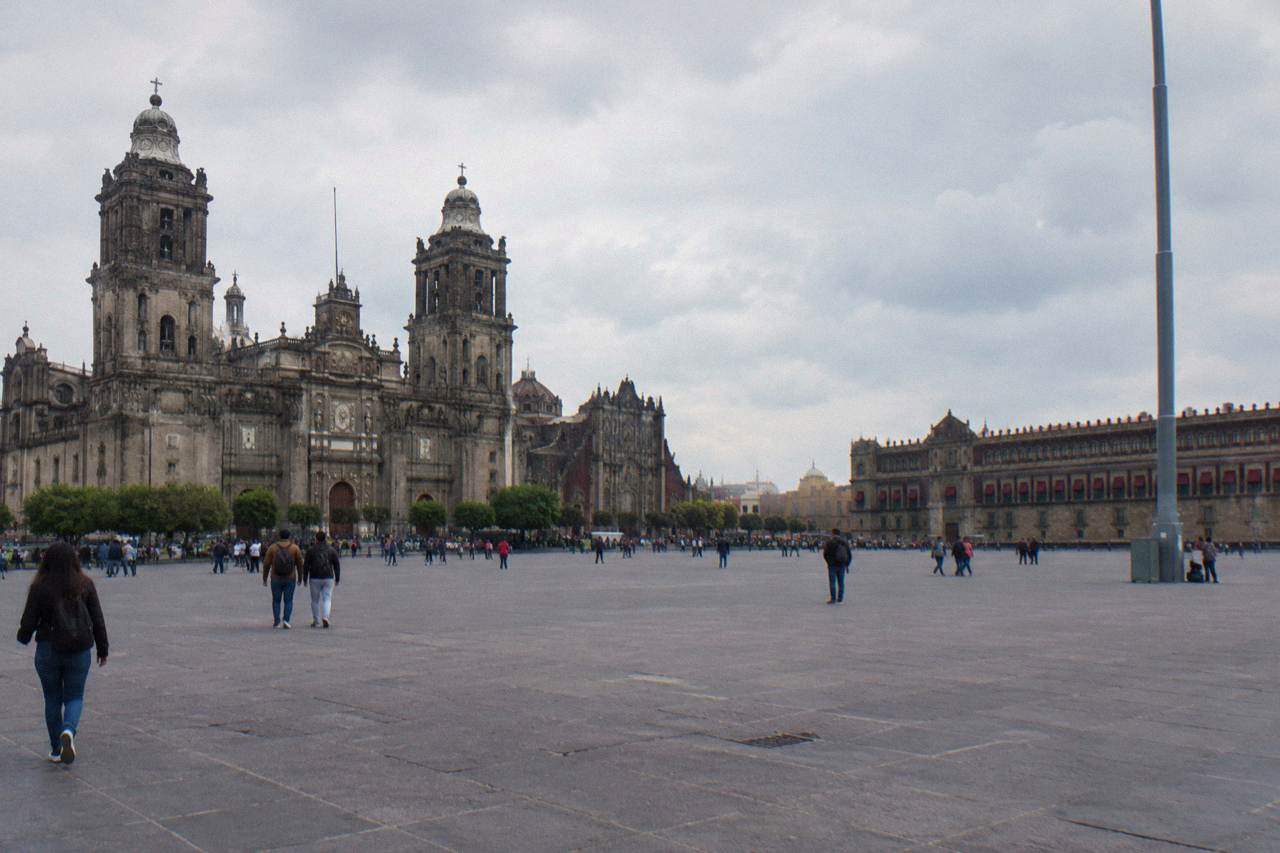
No pay-what-you-want walk in this directory meets at Tlatelolco itself. The nearest meeting points cluster in the Centro Histórico, at the Plaza de la Constitución, Zócalo, the Metropolitan Cathedral, República de Guatemala 4 and Avenida Hidalgo 23, all a short ride from the plaza. Every one is free at the point of booking, tipping after, on GuruWalk or freetour.com.
That cluster exists because the Centro Histórico is the city's walking-tour heartland, and Tlatelolco sits just outside it. The directory's 24 walks each have their own page on this site, and the Centro meeting points below are the practical bridge between a guided morning and a self-guided Tlatelolco afternoon. None of the walks listed here has a published route beyond its meeting point and neighbourhood, so treat the meeting point as the planning fact and the guide's own listing for anything further.
| Walk | Platform | Meets at | Duration | Languages |
|---|---|---|---|---|
| Two-and-a-Half-Hour Introduction | GuruWalk | Plaza de la Constitución, Zócalo | 2 hours 30 minutes | English and Spanish |
| Estación Historic Center Walk | GuruWalk | Metropolitan Cathedral, Zócalo | 2 hours | English and Spanish |
| Historic Center With a Historian | GuruWalk | Plaza de la Constitución, Zócalo | 2 hours 15 minutes | German, English and Spanish |
| History, Art and Cuisine Walk | GuruWalk | República de Guatemala 4 | 2 hours | English |
| Downtown Secrets Walk | freetour.com | Teatro Hidalgo, Avenida Hidalgo 23 | 2 hours | English and Spanish |
The Downtown Secrets Walk by Wro Tours, 9.8 out of 10 across 205 freetour.com reviews, is the freetour.com option among the Centro cluster, and its listing is the place to check dates and language slots. Every other walk in the table runs on GuruWalk, each an independent local guide's own listing; this site neither operates walks nor is affiliated with GuruWalk or freetour.com, it writes about them.
Because none of these walks covers Tlatelolco's own ground, the honest plan is to walk the Centro with a guide and walk Tlatelolco alone. The plaza's story is visible in its skyline, and the free side needs no commentary to land. For how the pay-what-you-want model handles tipping, the how much to tip a free walking tour post covers the etiquette questions travelers actually ask.
Mistakes That Trip People Up At Tlatelolco
The three recurring mistakes: assuming Sunday makes the zone free for everyone, when the INAH Sunday rule covers Mexicans and foreign residents with ID and tourists still pay MXN 155; assuming Tlatelolco shuts on Mondays like the INAH museums, when the zone lists daily opening; and treating Tlatelolco as a ticketed attraction throughout, when the plaza itself is free open ground worth the trip alone.
The Sunday mistake is the expensive one, because it silently adds MXN 155 to a day planned as free. The same misunderstanding costs more at Chapultepec, where the castle is MXN 210, and it is worth internalizing the rule once: INAH Sundays serve Mexicans and foreign residents with ID. The Tamayo and Bellas Artes Sundays, by contrast, are free for everyone, which is exactly why the schemes must never be merged in your head. If a single Sunday is on your itinerary, the are museums free on Sundays post sorts every scheme by who actually qualifies.
There is no Monday mistake here, the zone opens daily. A Monday Tlatelolco visit works, because the zone lists daily opening, but the Museo del Templo Mayor, the Castillo de Chapultepec and the Museo Nacional de Antropología are closed that day. Teotihuacan is open daily too. Anyone planning a museum-heavy Monday should pivot to the free-every-day group instead: Soumaya, Jumex and the Biblioteca Vasconcelos all welcome walk-ins on days that suit them, subject to their own closing days.
The third mistake is subtler: skipping Tlatelolco because it "costs money". It half costs money. The plaza is one of the city's most striking free spaces, and a visitor who never buys the zone ticket still leaves with the defining image of the site. Budget MXN 155 for the excavation if the archaeology matters to you, MXN 0 if it does not, and any day works, Monday included.
If a guided day in the city is the fix you want after that planning, these walks cover the Centro's food, its hidden districts and its most-visited neighbourhoods, all pay what you want.
Common Questions About Tlatelolco
Is Tlatelolco free to visit?
The Plaza de las Tres Culturas is free, an open public space with no ticket or gate. The adjacent archaeological zone is a paid INAH site at MXN 155, so the answer depends on which half of the site you mean.
Is the Tlatelolco archaeological zone free on Sunday?
Sunday entry is free only for Mexicans and foreign residents with ID under the INAH scheme. Foreign tourists pay MXN 155 on Sunday as on any other day the zone is open.
What is the Plaza de las Tres Culturas?
It is the open square at Tlatelolco where pre-Hispanic ruins, the colonial church of Santiago de Tlatelolco and modern apartment towers stand in one frame. The plaza itself is free to walk at any hour it is open to the public.
What day is Tlatelolco closed?
The archaeological zone lists daily opening. The INAH museums, such as the Templo Mayor and the Museo Nacional de Antropología, are the ones that close on Mondays. The plaza remains walkable on Mondays since it is ordinary open public ground rather than a ticketed attraction.
Do any free walking tours meet at Tlatelolco?
No walk in this directory meets at Tlatelolco. The nearest pay-what-you-want walks meet in the Centro Histórico, at the Plaza de la Constitución, the Metropolitan Cathedral, República de Guatemala 4 and Avenida Hidalgo 23.
How much does Tlatelolco cost?
MXN 0 for the plaza and MXN 155 for the archaeological zone, with Sunday free for Mexicans and foreign residents with ID only. Transport and food are the only other costs, since no other fee attaches to the site.