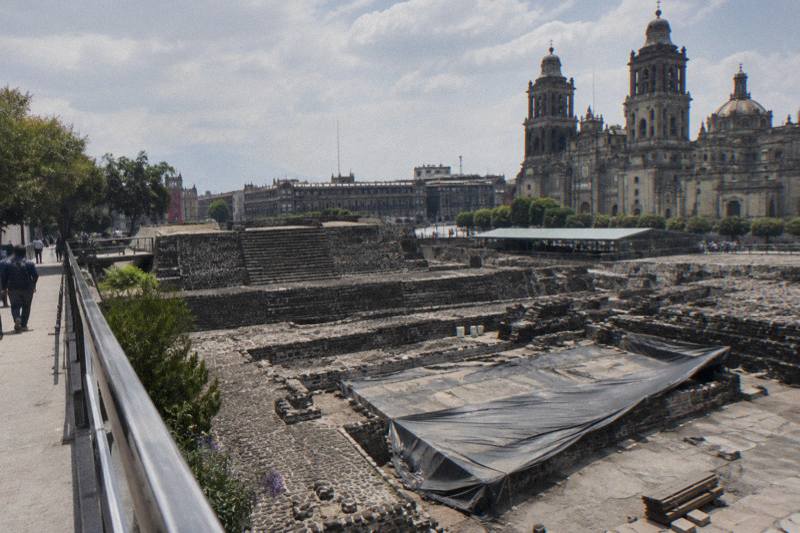
Plaza Garibaldi: What Is Free And What Costs Money
Plaza Garibaldi is an open public square and free to enter. This guide sets out what the free side of a visit includes, which parts of the area cost money, and how the square fits into a day of free sights in the Centro Histórico.
In Short
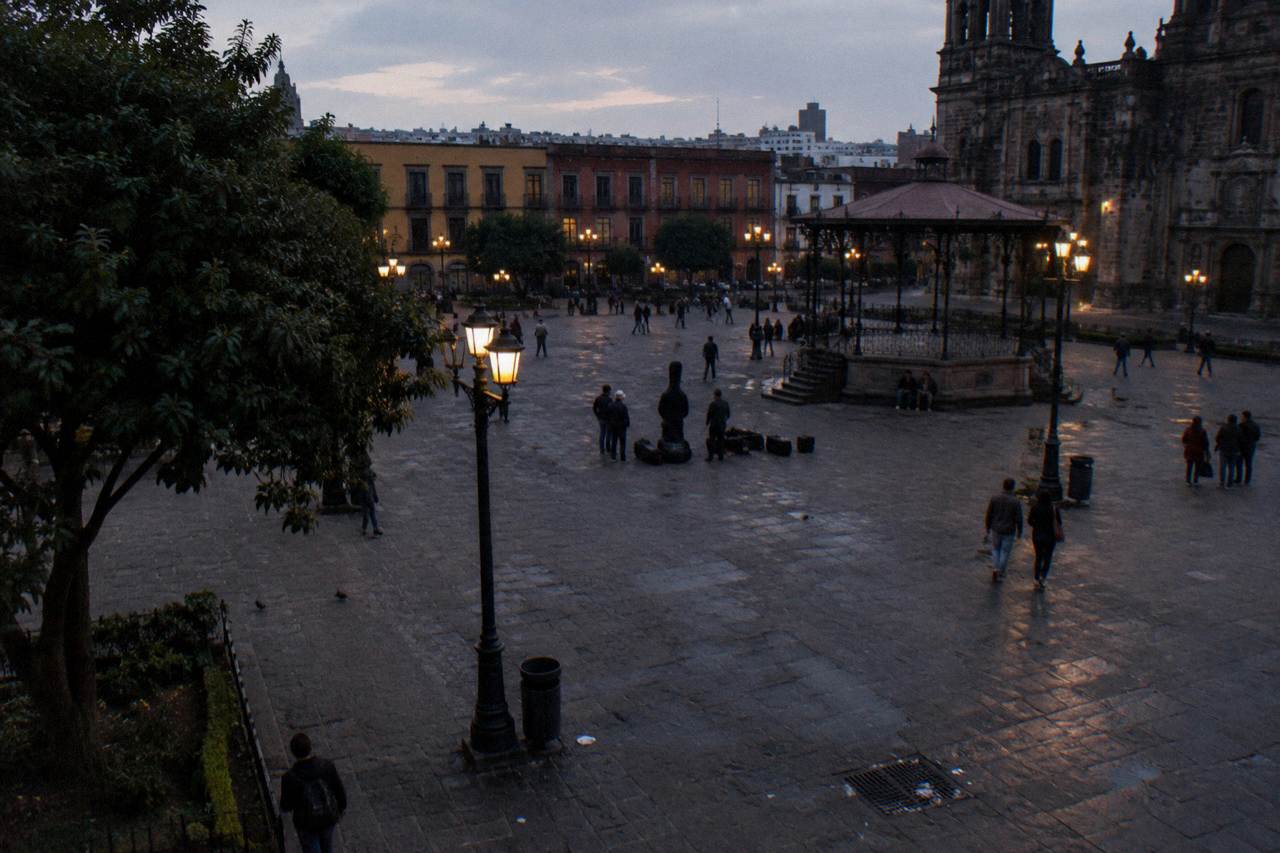
Plaza Garibaldi is an open public space and free to visit, with no ticket, gate or stated closing day. The costs start at the edges: mariachi performances and the food and drink around the square are paid, and Arena México lucha libre nearby is a ticketed event. Pay-what-you-want walking tours run on GuruWalk, meeting in the Centro Histórico.
Part of the Free Things To Do In Mexico City guides, this page covers Plaza Garibaldi and its costs.
Quick Facts
| Question | Answer |
|---|---|
| Is Plaza Garibaldi itself free? | Yes, it is an open public space with no entry charge |
| Who is it free for? | Everyone, it is a public square |
| What costs money at the plaza? | Mariachi performances, food and drink around the square |
| What costs money nearby? | Arena México lucha libre, a ticketed event |
| Closing days | None stated for the plaza itself |
| Nearest free-walk platform | GuruWalk, with walks meeting in the Centro Histórico |
Is Plaza Garibaldi Free To Visit?
Yes. Plaza Garibaldi is an open public space and entering it costs nothing, for everyone, with no ticket, gate or stated closing day. The square's own ground is the free part of any visit. The money at Garibaldi sits in what happens on and around that ground: music performances, food, drink and the ticketed events of the surrounding blocks, all of which are paid. Two-and-a-Half-Hour Introduction is a pay-what-you-want walk that starts at Plaza de la Constitución, Zócalo.
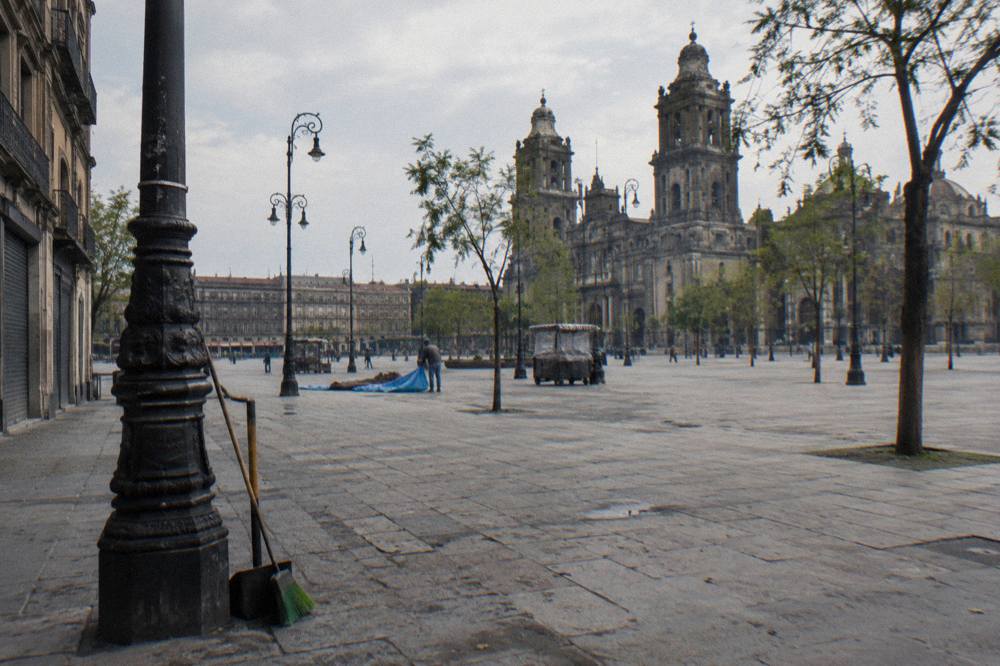
That single sentence splits the visit cleanly, and it is the split this whole guide works through. The plaza is an open public space, the same category the city's squares and markets sit in: free ground, open to walk, sit and linger. Nothing in that status changes with the hour or the day of the week, and no entry rule is attached to it.
What the official sources do not say matters just as much. There is no stated opening hour, no stated closing day, no visitor capacity and no access condition. Treat any specific timing claim you read elsewhere, crowd advice, best-hour claims or arrival-time tips, with caution, because none of that is stated in a primary source for this square. The honest position is simple: it is a public plaza, you can walk in, and everything beyond that fact depends on what you choose to spend on.
The free side of Garibaldi is therefore the square itself: the open ground, the buildings that frame it and the street life of the surrounding Centro Histórico blocks. Visitors who want more structure around the visit can pair the plaza with the pay-what-you-want walking tours that meet elsewhere in the Centro Histórico, described later in this guide. Those walks are free in the sense that matters here, guiding costs nothing up front and you pay what you want at the end.
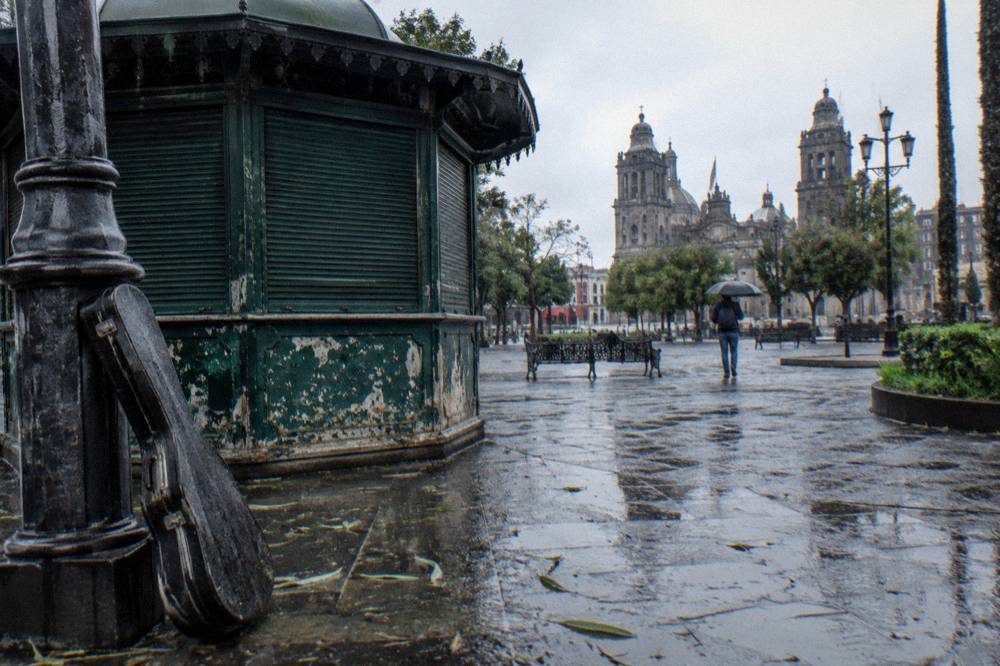
This is also where the site's larger point begins. A free day in Mexico City is built exactly this way, free public ground first, then conditional free days at museums, then a small set of paid items you choose deliberately. If you want the full map of that approach, the free things to do in Mexico City overview lays out the whole framework, and this page applies it to a single square.
One nearby institution deserves its own flag. Arena México, the city's famous lucha libre venue, sits in this part of town and is a paid, ticketed event, not a sight you can walk into. The question comes up often enough that it has its own article: is lucha libre free in Mexico City. The short version for this guide is that it is ticketed, and no price is stated here beyond that fact.
What Is Free Around Plaza Garibaldi?
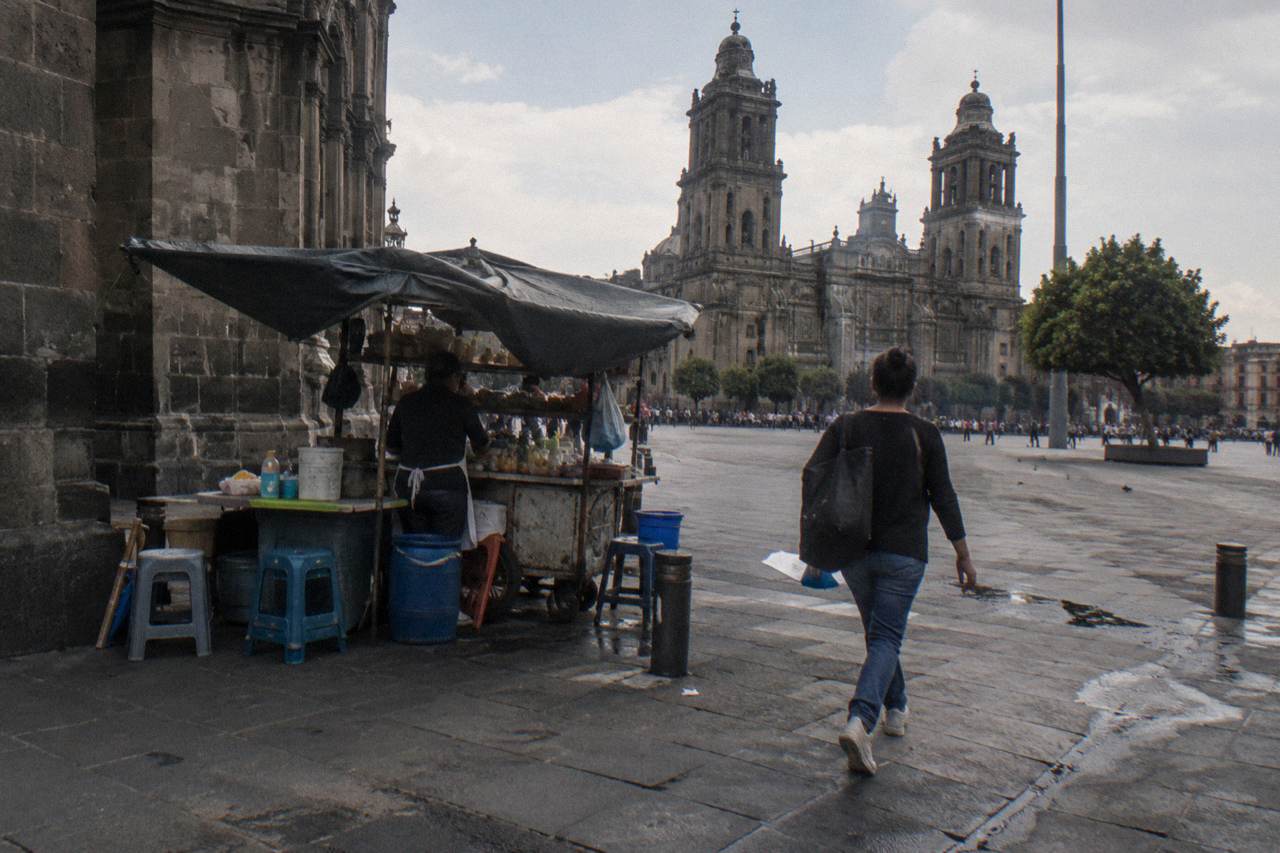
The free list around Plaza Garibaldi is the plaza itself plus the open public spaces and walkable streets of the surrounding Centro Histórico: the Zócalo, Avenida Madero, the Alameda Central, Plaza de Santo Domingo and the markets, all free public ground. Walking between them costs nothing. The museums' free days are separate regimes with their own conditions, covered in their own guides.
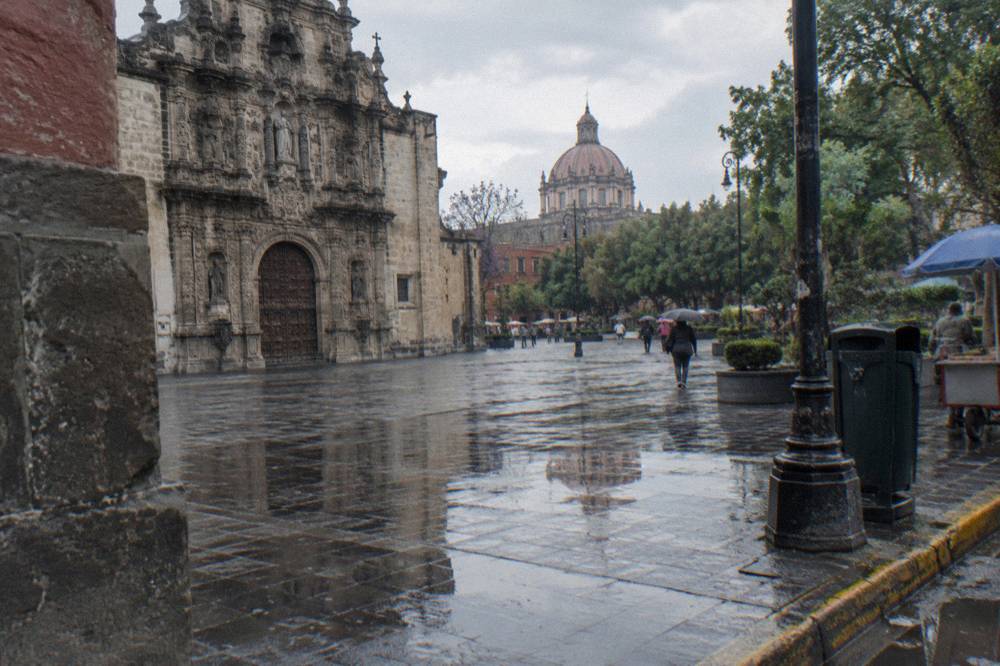
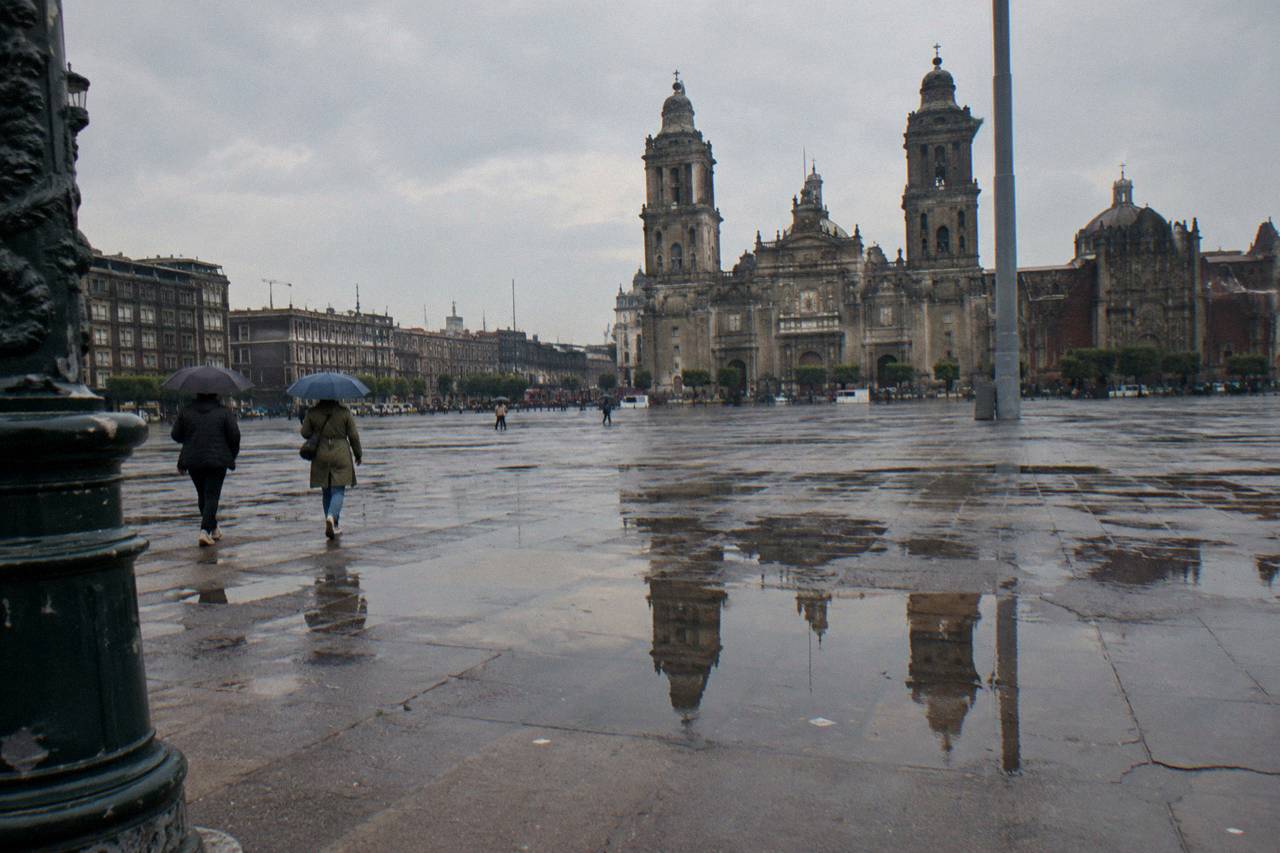
The Centro Histórico around Garibaldi is unusually generous with free ground, and every square and street named here checks out. The Zócalo, the city's great central square at Plaza de la Constitución, is an open public space. Avenida Madero, the pedestrian spine that runs toward it, is an open public space. The Alameda Central, the old park a short walk south of the historic core, is an open public space. Plaza de Santo Domingo is the same. None of these carries an entry charge, a ticket or a stated closing day. The pay-what-you-want Estación Historic Center Walk walk meets at Metropolitan Cathedral, Zócalo.
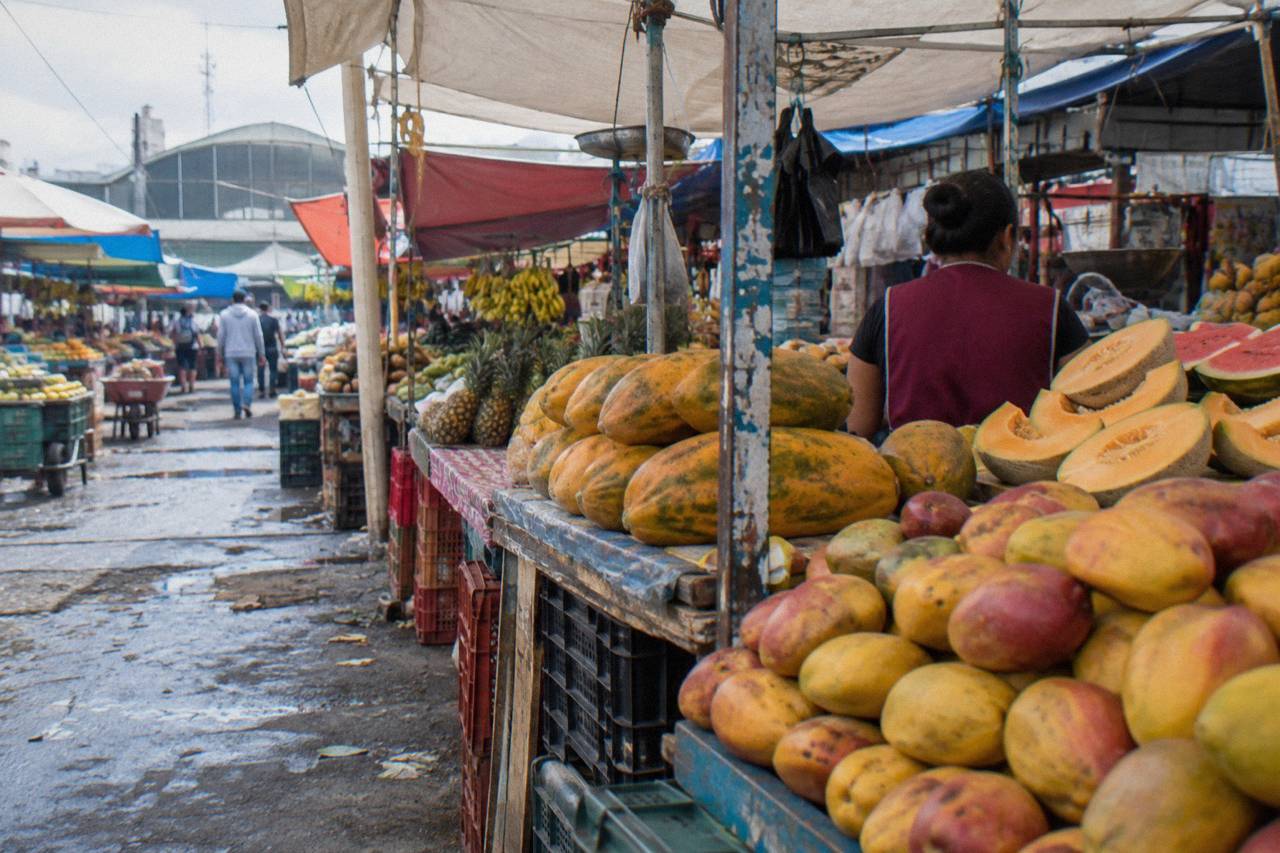
The markets continue the pattern. The Mercado de la Merced, the Mercado de San Juan and the Mercado de Sonora are all open public spaces: free to enter, free to wander, and paid only at the stall when you buy something. That last clause is the honest framing for every market in the city, and this site keeps it in the same sentence as the word free. The free markets guide works through the full list.
What you should not do is extend "free" from the ground to the buildings. The museums near this district each run their own regime, and most are conditional rather than free. The Museo Nacional de Arte is Sunday free for Mexican nationals and foreign residents with ID only, not for tourists. The Palacio de Bellas Artes is MXN 95 with Sunday free for everyone, ticket at the box office only. The Museo Mural Diego Rivera and the Catedral Metropolitana have no settled entry price that this site could find, and this guide does not state a price, a free day or an access rule for either. Naming them as buildings you pass is as far as the facts go.
| Place near Plaza Garibaldi | Status | Condition |
|---|---|---|
| Plaza Garibaldi | Free | Open public space, no entry charge |
| Zócalo (Plaza de la Constitución) | Free | Open public space |
| Avenida Madero | Free | Open pedestrian street |
| Alameda Central | Free | Open public park |
| Plaza de Santo Domingo | Free | Open public space |
| Mercado de la Merced | Free to enter | Paid only at the stalls |
| Palacio de Bellas Artes | Conditional | MXN 95, Sunday free for everyone, box office only |
| Museo Nacional de Arte (MUNAL) | Conditional | Sunday free for Mexican nationals and residents with ID only |
The pattern to take from the table is that the district's free side is overwhelmingly outdoor and public. Squares, streets, parks and markets cost nothing and have no conditions. Roofs, with a few exceptions like the Museo Soumaya's free-every-day sites, tend to carry either a price or a condition, and Sunday free at the INAH museums covers Mexicans and foreign residents with ID rather than foreign tourists. Keeping the day at street level is both the cheapest plan and the one fully backed by what the listings say.
There is one more genuinely free indoor option in this part of the plan worth naming, though it sits a little outside the Garibaldi walk: the Biblioteca Vasconcelos, free with all its services, though no hours are stated for it. The Biblioteca Vasconcelos guide covers it. Closer to hand, the free walking tours described later in this page add a guided layer to the same free streets at no fixed price.
What Costs Money At Plaza Garibaldi?
The paid side of Plaza Garibaldi is the activity on the square and the ticketed venues nearby: mariachi performances, the food and drink sold around the plaza, and lucha libre at Arena México, which is a ticketed event with no price stated here. No amount appears for any of these in a primary source, so this guide prints none. The plaza's ground stays free regardless of what you spend at its edges.
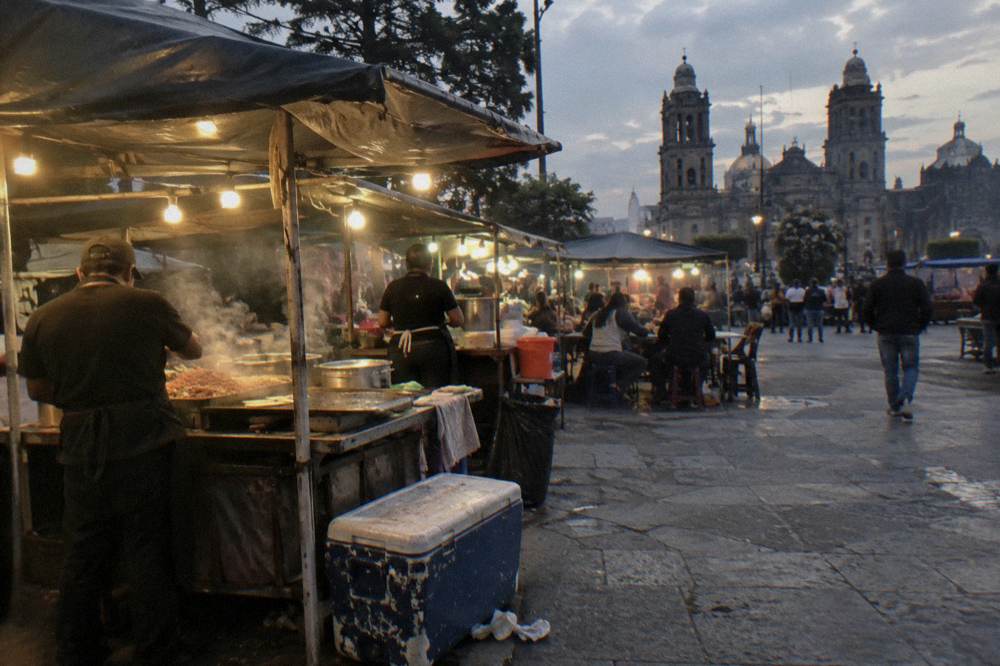
Start with the mariachi, because it is the reason most visitors know this square's name and the reason the costs question comes up at all. The musicians of Garibaldi perform for payment. A song, a set, a serenade: these are transactions between you and the performers, agreed before the music starts. No price is stated in any source this site uses, so the honest advice is the planning version: agree the price first, in the same way you would at any market stall, and treat everything musical on this square as a purchase rather than a free show that happens around you.
Food and drink follow the same logic. The cantinas and food sellers around the plaza are ordinary businesses, and a visit that turns into a meal or a drink is a paid visit at that point. None of this touches the free status of the square itself; you can stand in Plaza Garibaldi for an hour and spend nothing, and many visitors do exactly that.

Arena México is the biggest paid item in the neighbourhood. Lucha libre there is a ticketed event, and this guide states no price for it because no figure exists in the sources used here. If the wrestling night is part of your plan, budget for a ticket and check the current price at the point of sale. The event's own economics sit outside everything else on this page: it is entertainment with an entrance fee, not a sight with a free side and a paid side.
A note on what this guide deliberately does not do. It gives no tip amount, no meal price, no ticket price and no drink price, because inventing figures is worse than leaving them out. The same discipline applies to transport: no fares, lines or walking times are stated between Garibaldi and anywhere else, because nothing here supports them. The costs table below is a map of where money can go, not a price list.
| Paid item | What it is | Price stated here |
|---|---|---|
| Mariachi performance | Music played for payment on the square | Price is up to you; agree before the song |
| Food and drink | Cantinas and sellers around the plaza | Prices vary |
| Arena México lucha libre | Ticketed event | Buy a ticket to attend |
| Guided walks | Free, pay what you want on GuruWalk | No money figure applies |
The last row is the counterweight. Every walking tour listed on this site is free in the pay-what-you-want sense: guiding costs nothing up front and you tip what you choose at the end. No money figure belongs on any of them, and this site never puts one there. The costs at Garibaldi are optional purchases; a guided walk through the neighbouring streets is not a purchase at all until you decide it was worth something.
When Is The Best Time To Visit Plaza Garibaldi?
No primary source states opening hours, closing days or quiet and busy periods for Plaza Garibaldi, so this guide claims no best time. As an open public space it is free to enter whenever the square is open to the public, with no ticket and no stated schedule. Any hour-by-hour advice you read elsewhere is unsourced colour, and the only timing facts worth planning around are the closing days of the paid museums nearby.
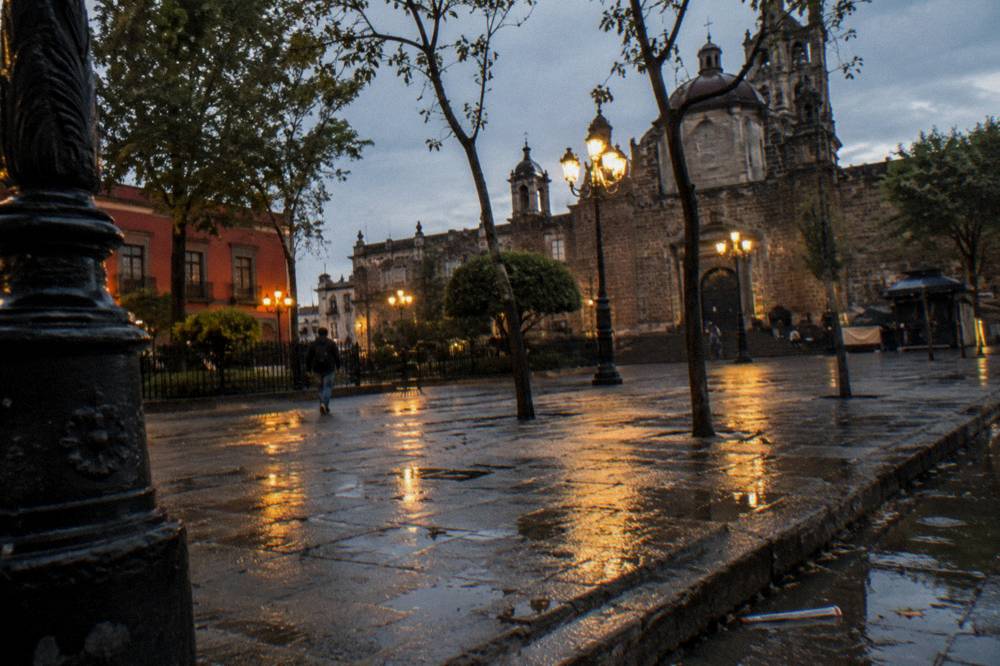
That answer is deliberately flat, and it is the most useful thing this page can say on the question. The plaza's own listing carries no hours. It carries no closing day. It carries no crowd data, no peak-time warning and no quiet-hour promise, and the official visitor guide at mexicocity.cdmx.gob.mx is the right place to check for any seasonal event that might change how the square feels. A page that told you to arrive at a specific hour would be making it up, and made-up timing advice is how travellers end up disappointed.
What you can plan around is the schedule of everything that is not the plaza. Monday is the closing day for the INAH museums, including the Castillo de Chapultepec and the Museo del Templo Mayor, and for the Museo Jumex, the Museo Tamayo, the Museo Franz Mayer and the Museo Frida Kahlo. If your Garibaldi visit is part of a museum day, Monday empties the indoor options fast. The Sunday free regimes have their own fine print: INAH Sunday free covers Mexicans and foreign residents with ID, while the Museo Tamayo and the Palacio de Bellas Artes are Sunday free for everyone. The full index of guides sits on Free Things To Do In Mexico City.
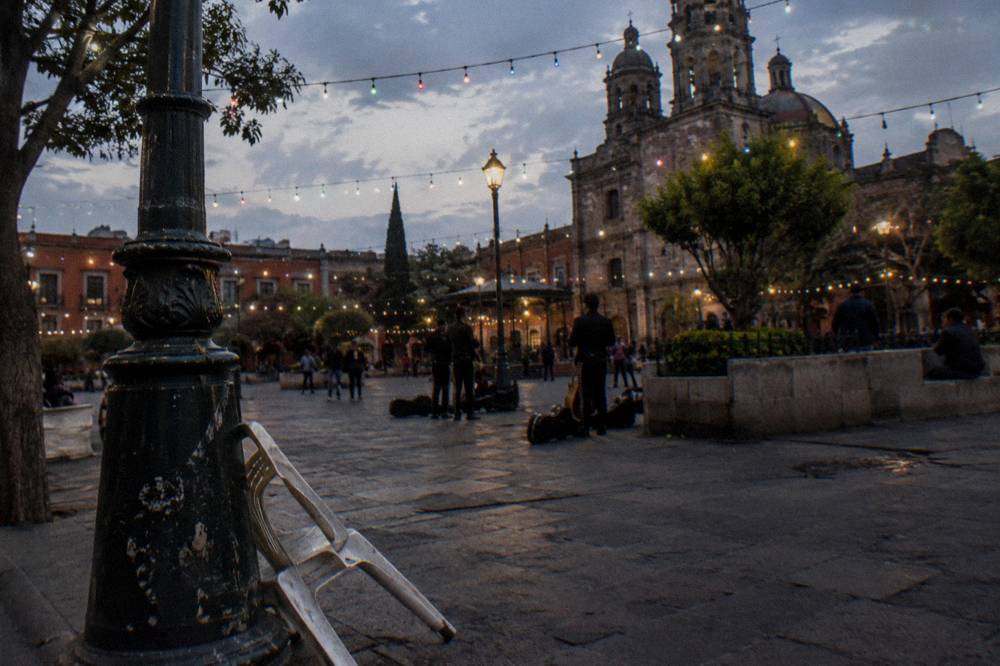
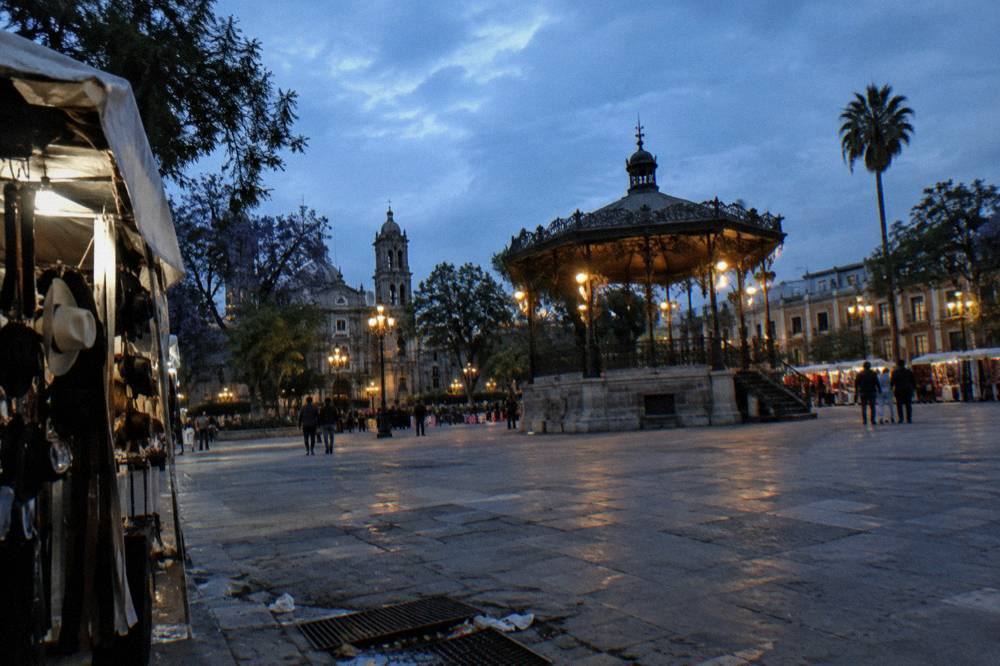
Evening is the timing question visitors actually ask about, because the square's musical life is an evening thing in the popular imagination. The honest answer is that this guide has nothing confirming hours for any of it. What is safe to say is structural: the music is a paid service whenever it happens, the food sellers are businesses whenever they are open, and the plaza's free ground is free at every hour it is open to the public. Plan the evening loosely, carry cash for anything you want, and let the square be what it is when you arrive.
The walks add one timing fact that is solid: each has a stated duration, and those durations are in the tours section below. A two-hour walk plus a plaza visit plus a market stop is a realistic half-day shape, all of it free at the guiding level, and none of it dependent on an unverifiable claim about when Garibaldi is at its best.
How Do You Combine Plaza Garibaldi With Other Free Sights?
The natural combination is a Centro Histórico walking day: Plaza Garibaldi as a free square, strung together with the Zócalo, Avenida Madero, the Alameda Central and a free-entry market, all open public spaces with no tickets. A pay-what-you-want walking tour on GuruWalk gives the same streets a guide at no fixed price. The paid layer, a museum ticket or a lucha libre seat, slots in only where you choose it.
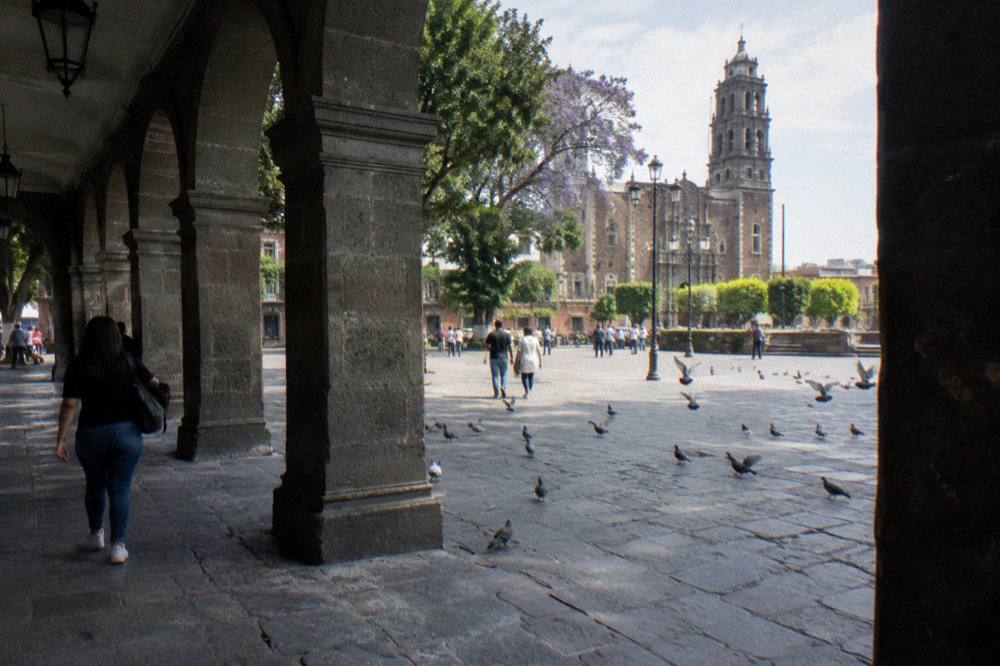
The reason this combination works is that the whole chain is public ground. You can move from square to street to park to market without ever crossing a ticket barrier, and every link in that chain sits in the free column rather than resting on a hopeful assumption. The Zócalo guide covers the city's main square and its own free status; the Alameda Central guide covers the park; the markets guide covers the stalls. Garibaldi is the northern anchor of that shape, and its free status is identical to the rest. Cable Car and Urban Art is a pay-what-you-want walk that starts at Bellas Artes.
A guided version of the same day exists, and it is the one this site recommends most often for first-time visitors. The Two-and-a-Half-Hour Introduction, run by the guide Kactus on GuruWalk, is rated 4.82 out of 5 across 4,138 GuruWalk reviews, runs 2 hours 30 minutes in English and Spanish, and meets at Plaza de la Constitución, Zócalo. Guiding is pay what you want: you book a place, walk, and tip at the end. See this free tour on the guide's GuruWalk page.
The combination day also has a museum variant, and the fine print matters there. The Palacio de Bellas Artes is Sunday free for everyone, MXN 95 otherwise, ticket at the box office only with no online booking, so a Bellas Artes Sunday plus a Garibaldi stroll is a near-all-free day. The MUNAL's Sunday free is for Mexican nationals and foreign residents with ID only. The Soumaya's sites are free every open day, with Plaza Loreto closed Tuesdays. And the Museo Frida Kahlo is paid, MXN 320, online tickets only, no in-person sales, closed Mondays, and the ticket includes the Museo Anahuacalli: never count it as a free stop, even on a Coyoacán day.
For visitors who want to see the castle side of the city as well, the same discipline applies there. Chapultepec forest is free to enter while the Castillo de Chapultepec costs MXN 210 and closes Mondays, with Sunday free for Mexicans and foreign residents with ID, not tourists. The details sit in the Chapultepec castle and park guide. The point for this page is that Garibaldi combines cleanly with the free ground everywhere and with the paid parts nowhere, unless you decide it does.
Which Free Walking Tours Meet Near Plaza Garibaldi?
No walk listed here meets at Plaza Garibaldi itself; the walks that fit a Garibaldi day are the Centro Histórico tours, all on GuruWalk, meeting at points such as Plaza de la Constitución, Zócalo, the Metropolitan Cathedral and República de Guatemala 4. Every one is free, pay what you want, in English or Spanish, and none carries a price. This site lists 24 walks in total across the city.
The flagship is the one described above, the Two-and-a-Half-Hour Introduction, with the largest review pool of the bunch. But it is not the only option for the same streets, and the differences between them are real: duration, language and guide. The table below sets out the Centro Histórico walks you can book, with their meeting points exactly as listed.
| Walk | Platform | Meets at | Duration | Languages | Rating |
|---|---|---|---|---|---|
| Two-and-a-Half-Hour Introduction | GuruWalk | Plaza de la Constitución, Zócalo | 2 hours 30 minutes | English, Spanish | 4.82 out of 5 across 4,138 reviews |
| Estación Historic Center Walk | GuruWalk | Metropolitan Cathedral, Zócalo | 2 hours | English, Spanish | 4.83 out of 5 across 2,838 reviews |
| Historic Center With a Historian | GuruWalk | Plaza de la Constitución, Zócalo | 2 hours 15 minutes | German, English, Spanish | 4.91 out of 5 across 1,360 reviews |
| History, Art and Cuisine Walk | GuruWalk | República de Guatemala 4 | 2 hours | English | 4.86 out of 5 across 520 reviews |
Each of these pairs naturally with a Garibaldi visit because the meeting points sit in the same historic core, though no walking time or route between them is stated here, because nothing supports one. The Historic Center With a Historian walk, run by Free Tour Europe on GuruWalk, is the pick for visitors who want depth: 4.91 out of 5 across 1,360 GuruWalk reviews, 2 hours 15 minutes, in German, English and Spanish, meeting at Plaza de la Constitución, Zócalo. Pay what you want at the end, like every walk here.
The Estación Historic Center Walk is the tighter version: 2 hours, English and Spanish, meeting at the Metropolitan Cathedral, Zócalo, rated 4.83 out of 5 across 2,838 GuruWalk reviews. Estación is the same operator behind the Roma and Condesa and Reforma walks listed here too, and the Zócalo meeting point makes it an easy fit before or after time at Garibaldi.
One caution that this site repeats wherever walks are discussed: check each walk's own listing, because routes are not confirmed here beyond meeting point and neighbourhood. Introduce a walk by its platform, guide, meeting point and neighbourhood, which is exactly what this page does, and treat any promise that a named walk "covers" a specific landmark as unverified. The meeting point and the duration are the facts you can book on; the rest is the guide's own to deliver.
Mistakes That Trip People Up At Plaza Garibaldi
The recurring mistakes are assuming the music is a free ambience rather than a paid service, assuming nearby museums are free on Sunday without checking who the free day is for, treating Arena México as a walk-in sight, and trusting hour-by-hour plaza advice that no source supports. Each mistake costs money or a wasted trip, and each is avoidable with the facts already in this guide.
The first mistake is the mariachi one. Visitors stand in the square, music starts, and the assumption forms that this is street ambience, like a busker you can ignore. At Garibaldi the performances are a service. If you request a song or accept one, you have bought it, so agree the price before the music starts and carry cash. Nothing about this makes the plaza less free to visit; it makes the music a budget line.
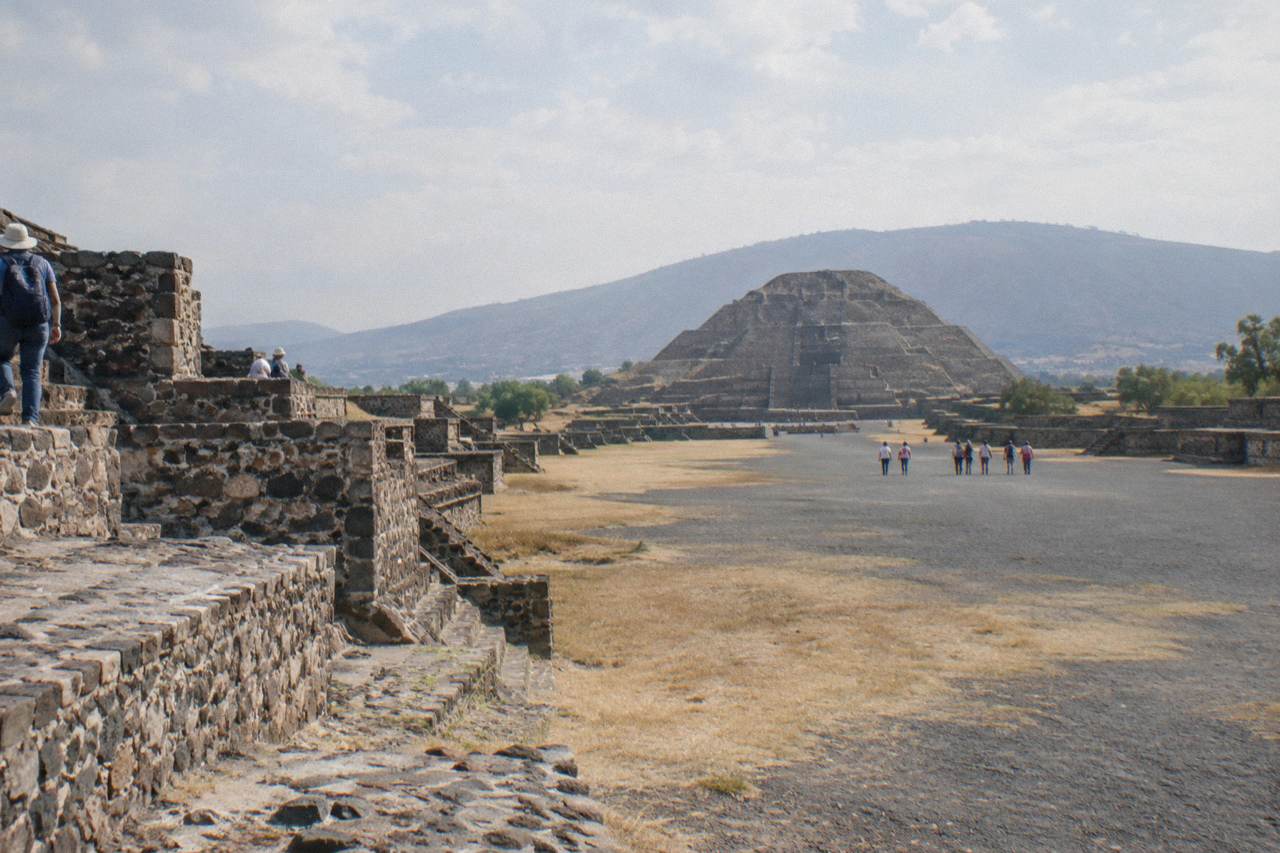
The second is the Sunday trap, and it is the most expensive misunderstanding in the city. INAH Sunday free entry, at the Castillo de Chapultepec, the Museo del Templo Mayor, Tlatelolco and Teotihuacan, covers Mexicans and foreign residents with ID; tourists pay, MXN 210 at the castle and MXN 155 at Tlatelolco. The MUNAL's Sunday free is likewise for nationals and residents with ID. Only some regimes, like Bellas Artes, the Museo Tamayo and the Museo de Arte Moderno, are Sunday free for everyone. Check who the free day is for in the same breath as you read that it exists.
The third mistake is treating Arena México as a free spectacle. Lucha libre is a ticketed event; there is no free viewing arrangement, and no price is stated here. Plan it as a paid night out or leave it out. The fourth is timing advice: any page that promises a quiet hour or a best evening at Garibaldi is writing colour, not fact, because no primary source states hours or crowd patterns for this square. Plan your own hour, and let the free ground be free whenever you find it.
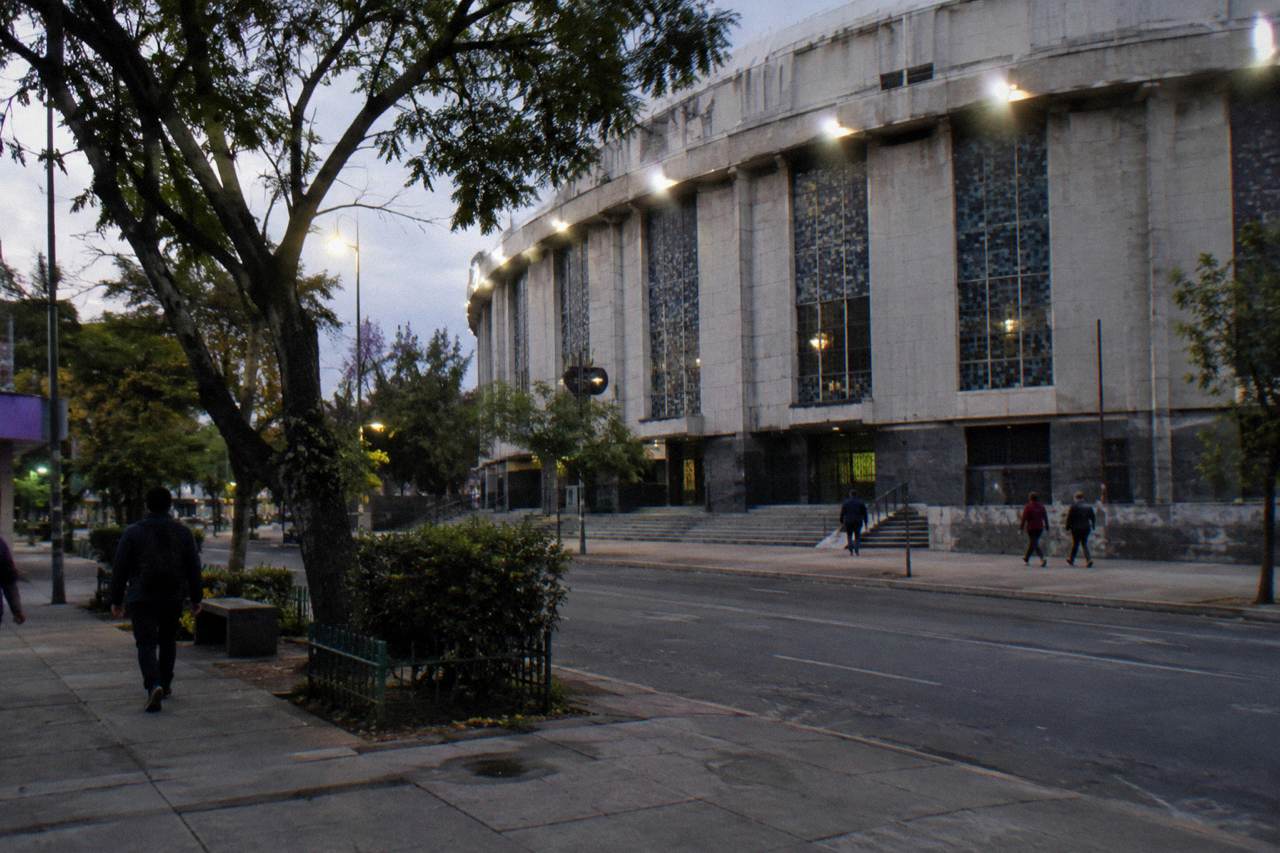
A final mistake is subtler: calling a conditionally free thing simply free. The Museo Frida Kahlo is paid, always, MXN 320 online only. Noche de Museos is not free. The Torre Latinoamericana's street level is free while its mirador is paid, and the Monumento a la Revolución's plaza is free while its mirador is ticketed. Two facts, always both of them, is the habit that keeps a budget honest.
Common Questions About Plaza Garibaldi
Is Plaza Garibaldi free to visit?
Yes. Plaza Garibaldi is an open public space with no entry charge, no ticket and no stated closing day. The free part is the square itself; mariachi performances, food and drink around the plaza are paid, and Arena México lucha libre nearby is a ticketed event.
What costs money at Plaza Garibaldi?
Mariachi performances are a paid service agreed with the musicians, the cantinas and food sellers are ordinary businesses, and lucha libre at Arena México is a ticketed event. No amounts are stated for these in the sources this site uses, so none are printed. The plaza's ground itself costs nothing.
Are museums near Plaza Garibaldi free on Sunday?
It depends entirely on the regime. The Palacio de Bellas Artes is Sunday free for everyone, MXN 95 otherwise, box office only. The MUNAL is Sunday free for Mexican nationals and foreign residents with ID only, not tourists. INAH Sunday free, at Templo Mayor and the Castillo de Chapultepec, likewise covers Mexicans and foreign residents with ID.
When is the best time to visit Plaza Garibaldi?
No primary source states opening hours, closing days or crowd patterns for the plaza, so this site claims no best time. As a public square it is free whenever it is open to the public. Plan around the closing days of nearby museums instead: Monday closes the Jumex, the Tamayo, the Franz Mayer, the Frida Kahlo and every INAH museum.
Do free walking tours meet at Plaza Garibaldi?
No walk listed on this site meets at Plaza Garibaldi. The Centro Histórico walks that fit a Garibaldi day meet at Plaza de la Constitución, Zócalo, the Metropolitan Cathedral and República de Guatemala 4, all on GuruWalk, all free in the pay-what-you-want sense, with durations from 2 hours to 2 hours 30 minutes.
How do free walking tours work in Mexico City?
Every one of the 24 walks listed on this site is free, pay what you want: guiding costs nothing up front, you book a place through the guide's listing, and you tip at the end what you think the walk deserved. Walks with extras, such as food tastings or museum entry, say so on their listing; those extras are bought separately and are never called fully free.