Roma Norte Mexico City: A Free Visitor's Guide To The Neighbourhood
Roma Norte is one of the few Mexico City neighbourhoods where the best parts cost nothing: its plazas, its park edges and its walking tours all run free, and the paid extras are easy to spot in advance.
In Short
Yes, Roma Norte itself is free to visit. Plaza Río de Janeiro and the neighbouring Parque México in Condesa are open public spaces with no entry charge, and pay-what-you-want walking tours meet inside the neighbourhood on GuruWalk, including Trendy Roma and Condesa at 4.74 out of 5 across 1,181 reviews. Paid extras are limited to food, Ecobici day passes from MXN 134 and museums elsewhere.
Part of the Free Things To Do In Mexico City guides.
Quick Facts
| Question | Answer |
|---|---|
| Is Roma Norte free to enter? | Yes, it is an open neighbourhood with no gates or entry charge |
| What is free here? | Plaza Río de Janeiro, Avenida Álvaro Obregón's streetscapes, Mercado Medellín to browse |
| What costs money? | Food and drink, Ecobici day passes (1 day MXN 134, 3 days MXN 263, 7 days MXN 441) |
| Free walks nearby? | Pay-what-you-want walks on GuruWalk meet in Roma Norte |
| Closing days to know? | None apply to the neighbourhood itself; museums elsewhere close Mondays |
| Typical walk length | 2 hours for the area's pay-what-you-want walks |
Is Roma Norte Free To Visit?
Roma Norte is an ordinary open city neighbourhood, so there is nothing to pay and no ticket to enter. Its central Plaza Río de Janeiro is a free public square, and the streets around it, including Avenida Álvaro Obregón, are open at all hours like any street in the capital. The costs that do exist in Roma Norte are the ones you choose: coffee, restaurants, and bike-share passes. Nothing in the neighbourhood's public fabric charges admission. The pay-what-you-want Trendy Roma and Condesa walk meets at Avenida Cuauhtémoc 19, Roma Norte.
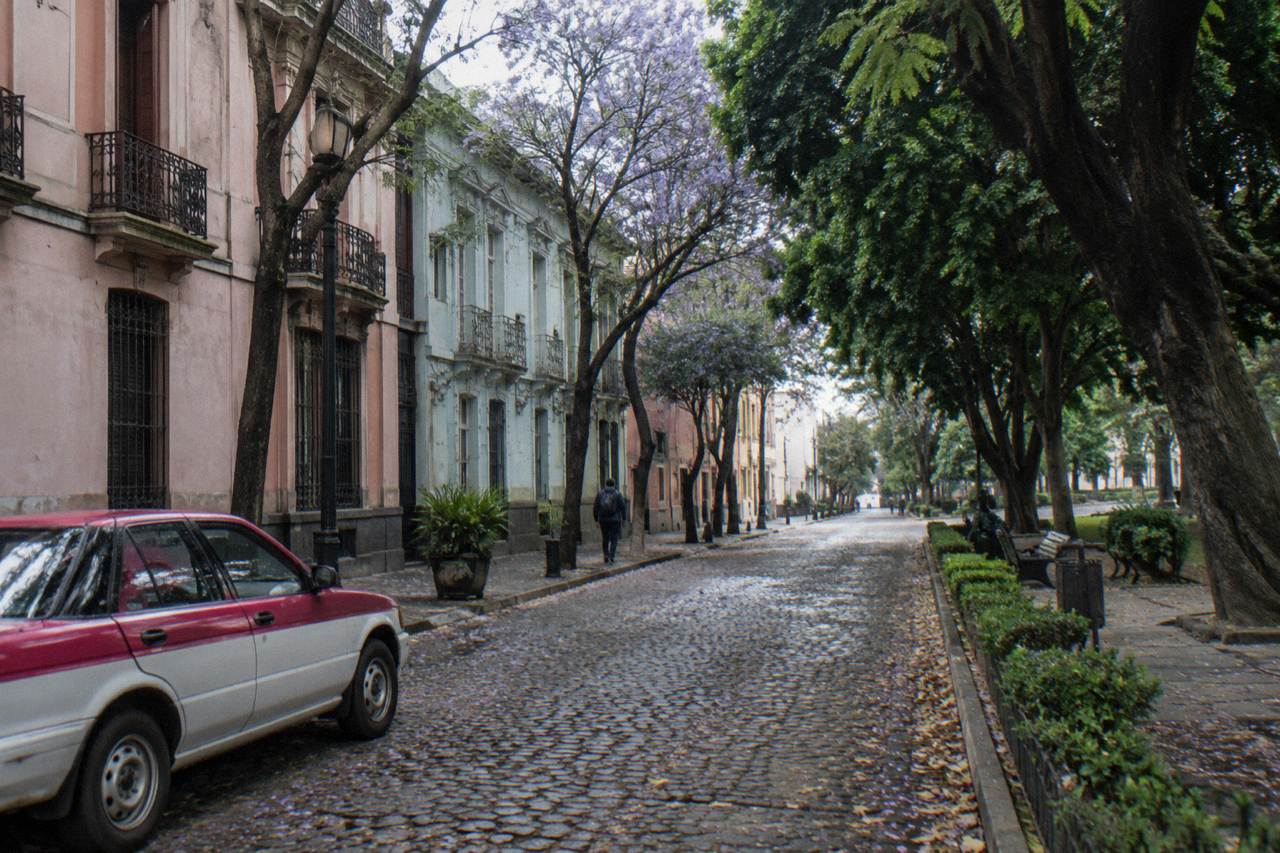
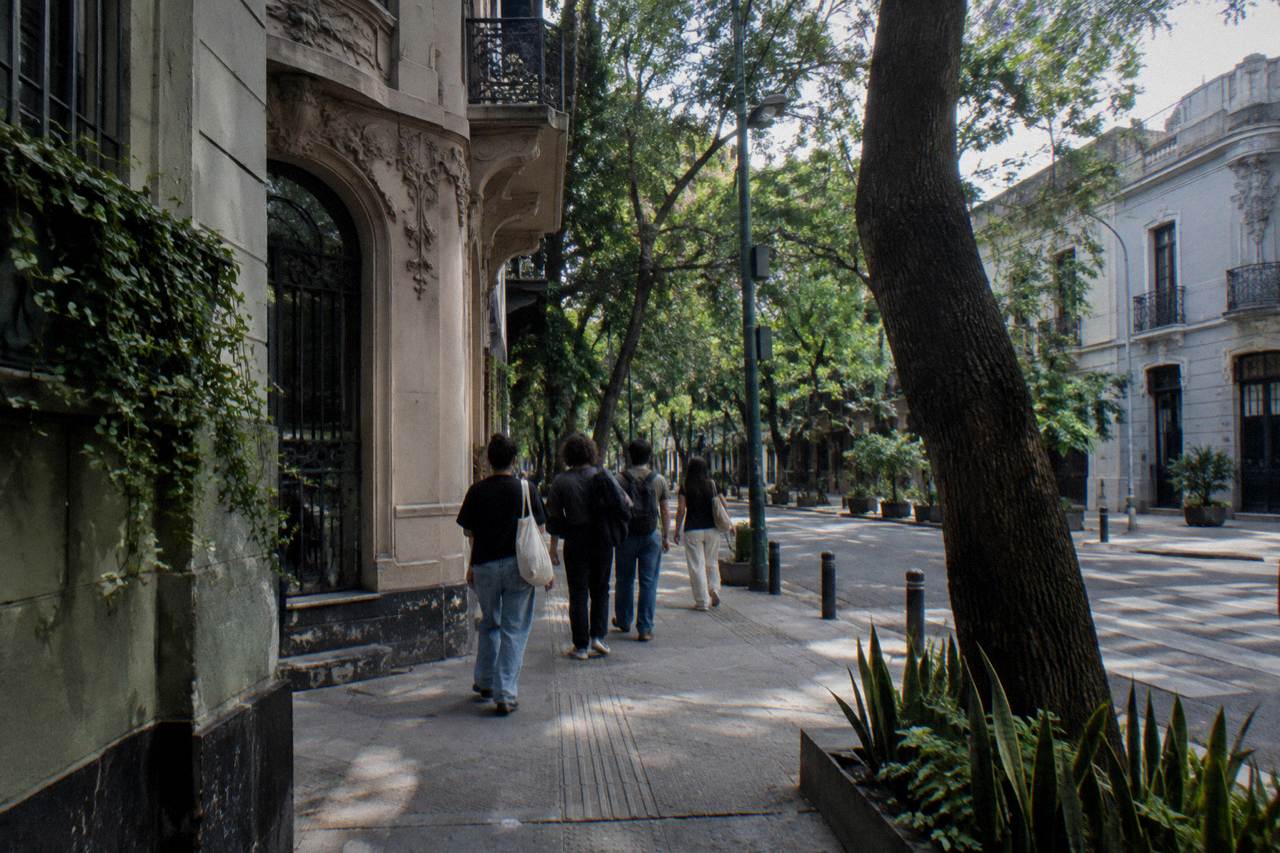
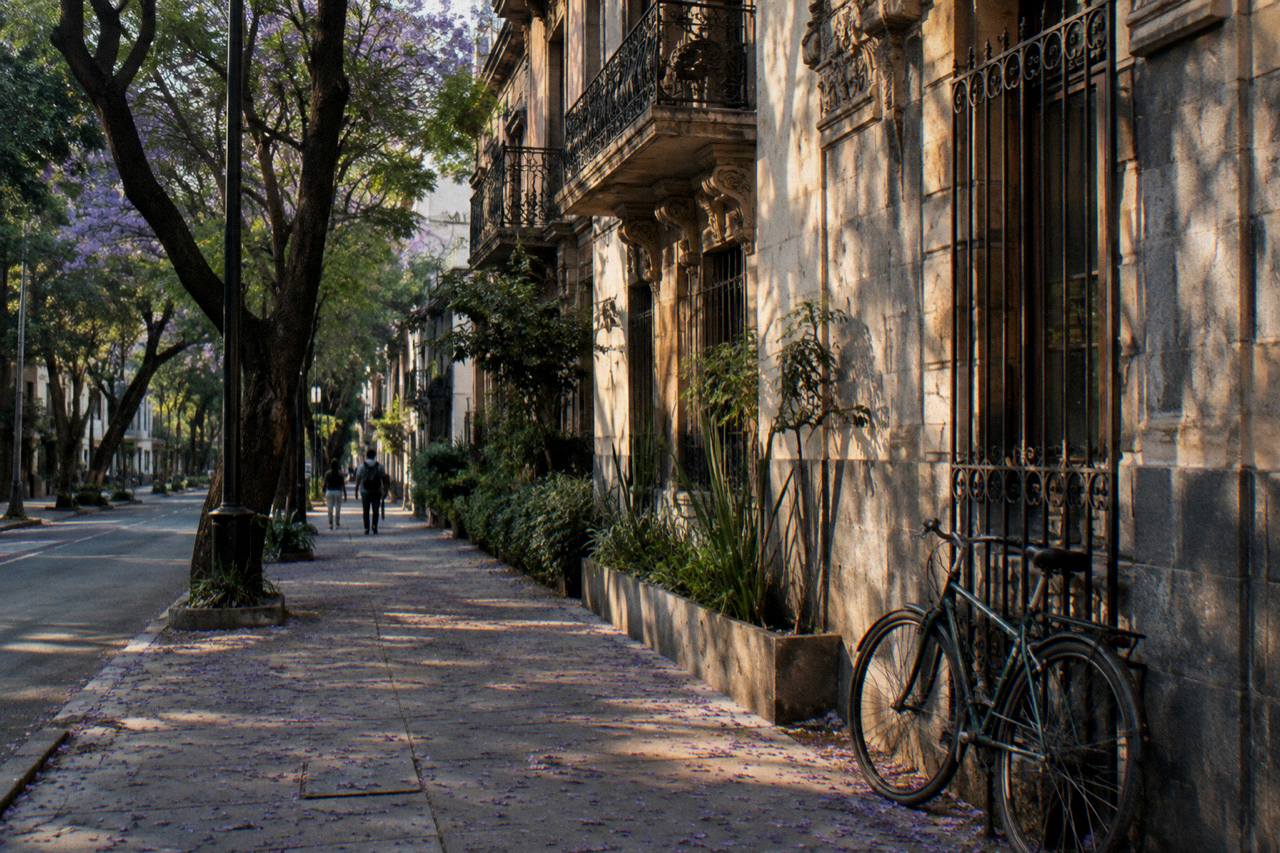
That plain answer surprises visitors who arrive expecting a gated attraction, because travel coverage often treats Roma Norte as a destination rather than a district. It is both. The neighbourhood's appeal is its fabric: residential streets with ornate facades, café terraces, gallery fronts and the tree cover that makes the area walkable in a way the broader centre often is not. All of that is visible from the sidewalk for nothing.
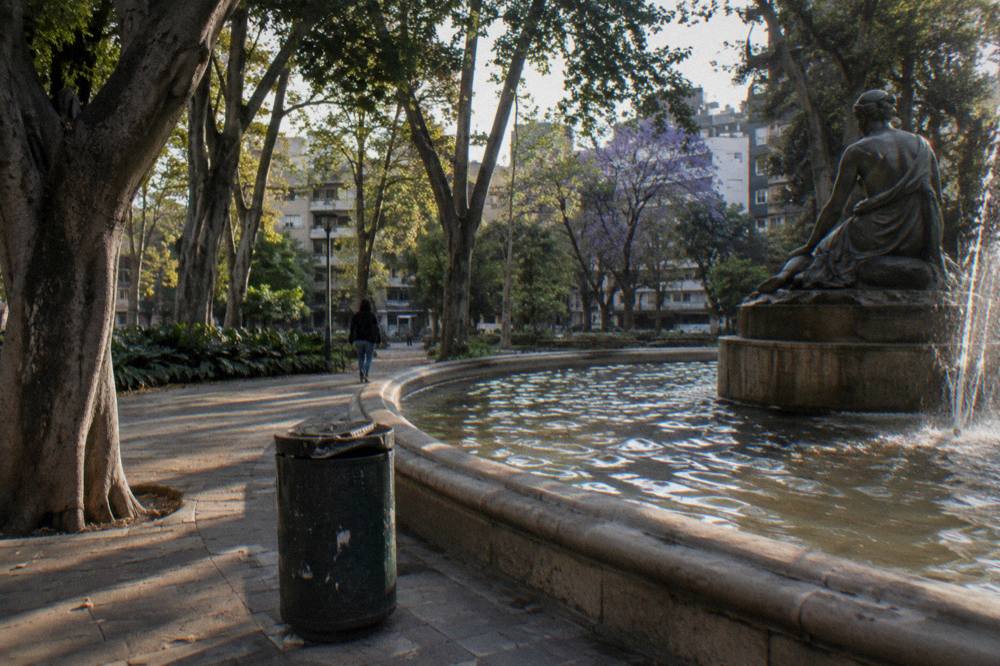
The free listings for this article cover two anchor points. Plaza Río de Janeiro, the leafy square at the neighbourhood's heart with its central fountain and seated statue, is an open public space. Parque México sits just across the boundary in Condesa and is likewise free to enter; most walks and itineraries treat the two neighbourhoods as one continuous stroll because they are, in practice, separated by nothing more than a street.
For orientation, the neighbourhood runs between Avenida Insurgentes to the east and the Condesa border to the west, with Avenida Álvaro Obregón as its central spine. Mercado Medellín, the neighbourhood's market with a strong Latin American immigrant food identity, is free to enter and browse; you pay only for what you buy. That pattern, free to be there, paid only at the counter, is the rule across the whole district.
The practical conclusion for a budget-conscious visitor is simple: a full morning or afternoon in Roma Norte can cost nothing beyond what you choose to spend on food, and the area rewards walking slowly rather than entering anything. The walks that serve the district, covered later in this guide, follow the same model, free to join with a tip at the end.
| Place | Free Or Ticketed | What Is Free | What You Still Pay For |
|---|---|---|---|
| Plaza Rio de Janeiro (Colonia Roma) | Free | Free open plaza. | Nothing. There is no ticket to buy here. |
What Is Free Around Roma Norte?
The free list around Roma Norte is anchored by Plaza Río de Janeiro and Parque México in neighbouring Condesa, both open public spaces with no entry charge. Mercado Medellín is free to browse, and the streetscape itself, Avenida Álvaro Obregón, Colima, Orizaba and the quieter residential blocks, costs nothing to walk. Pay-what-you-want walking tours on GuruWalk meet inside the neighbourhood, led by independent local guides.
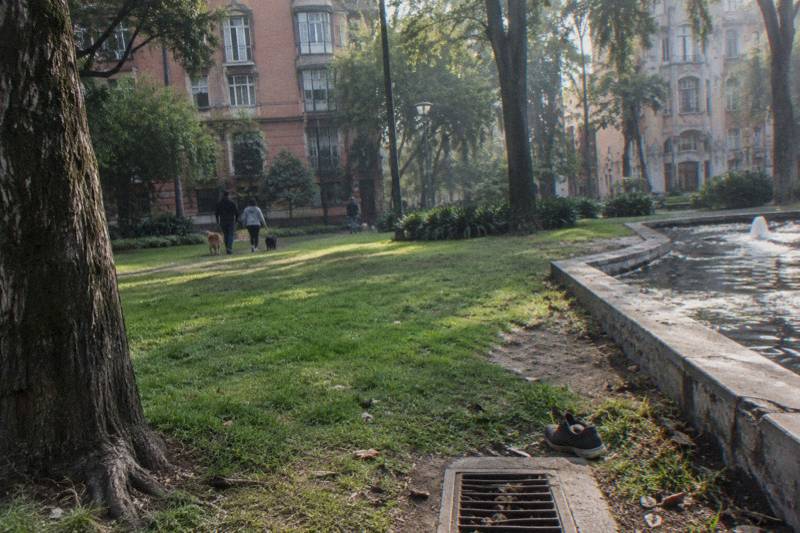
Start with the plaza. Plaza Río de Janeiro is the neighbourhood's living room: a fenced green square with a central fountain, benches under mature trees, and the seated statue that gives the spot its nickname among locals. It is an open public space, free at all hours, and it functions as the natural meeting and resting point for anyone exploring the district on foot. No hours are published for it because none are needed; it is a street-level square like any other.
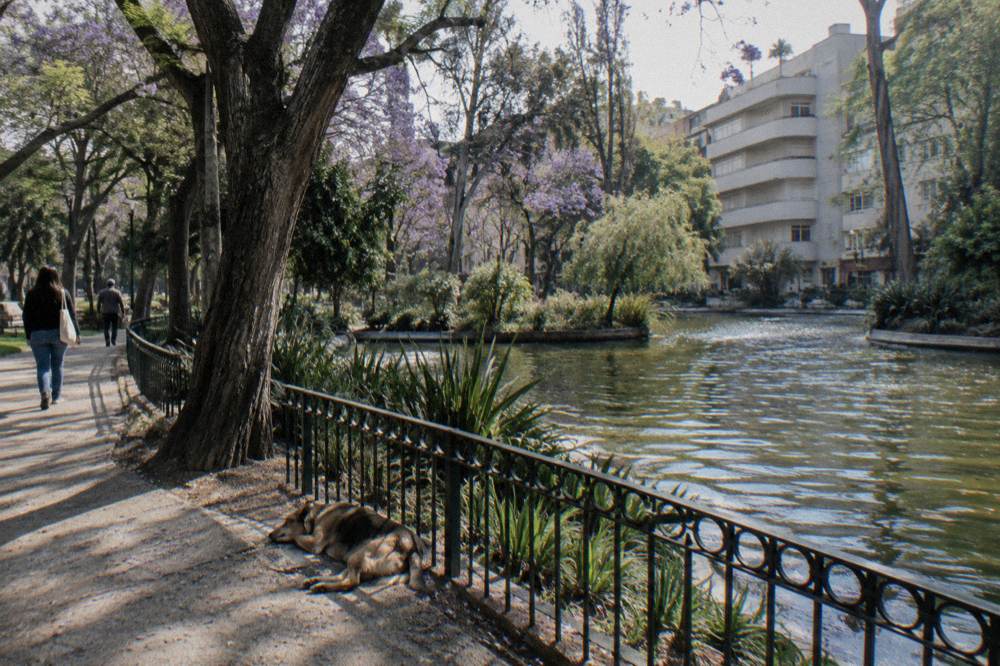
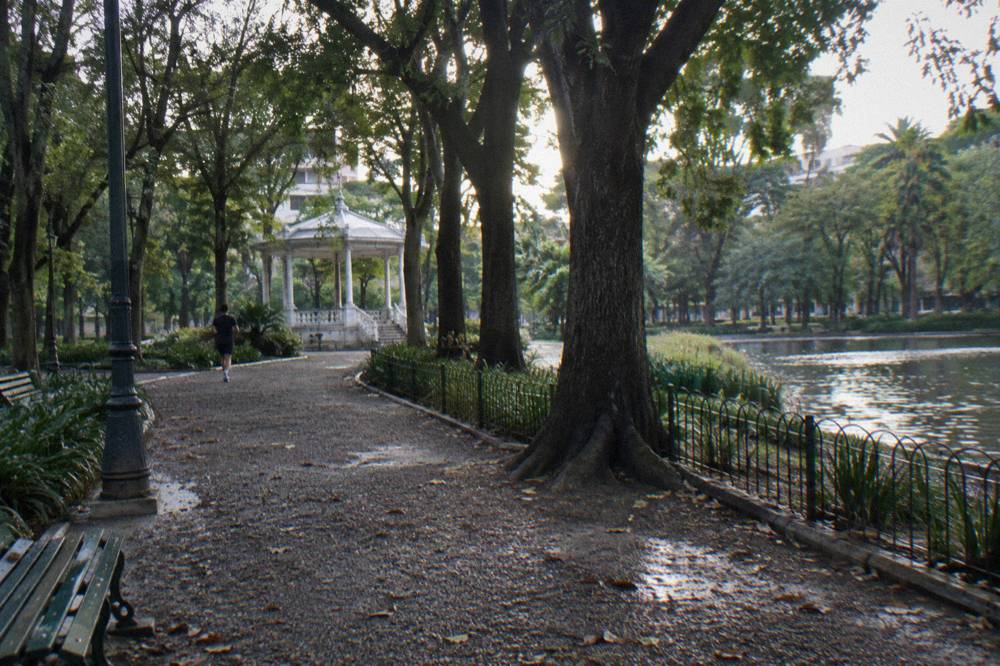
Parque México lies a short stroll west across the Condesa boundary. It is the larger and greener of the two anchors, a former racecourse track converted into a park with a pond, a bandstand and a jogging oval. Entry is free. Visitors based in Roma Norte typically reach it by continuing west along any of the connecting streets, and the park's open layout makes it the natural second half of a neighbourhood walk. The Condesa guide covers that park and its surroundings in more depth for anyone building a longer route. Street Tacos, Safety Focus is a pay-what-you-want walk that starts at Plaza Villa de Madrid, Roma Norte.
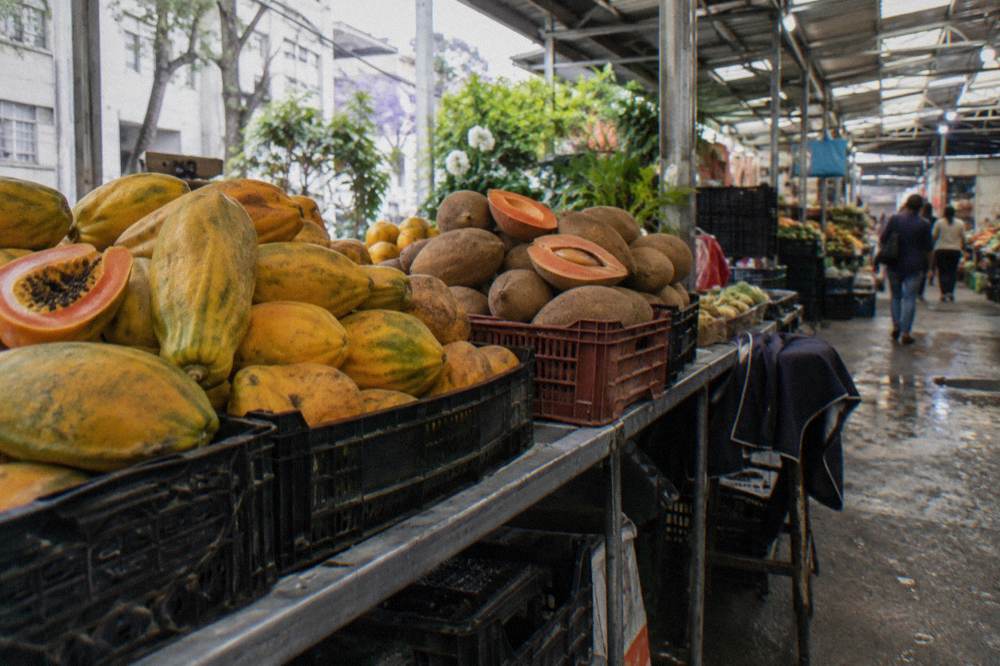
Mercado Medellín completes the free trio. Markets in Mexico City are public spaces first and shops second; walking the aisles, looking at the produce stalls and absorbing the atmosphere costs nothing, and the market's Latin American food stalls make it one of the more distinctive markets in the central city. The free markets guide places it alongside La Merced, San Juan and others for visitors planning a market circuit.
The walks deserve their own paragraph here because they are, in effect, a free guided layer over the whole district. Every walk in this directory is free to join with a tip at the end, run by independent local guides. The one built for this exact pair of neighbourhoods is the Trendy Roma and Condesa walk on GuruWalk, rated 4.74 out of 5 across 1,181 GuruWalk reviews, running 2 hours in English and Spanish and meeting at Avenida Cuauhtémoc 19, Roma Norte.
The streets between those anchors are the real free attraction. Roma Norte's blocks reward slow walking: façade detail, courtyard entrances, street corners that change character every few hundred metres. None of it is ticketed, none of it has hours, and all of it is within a compact area small enough to cover on foot in a couple of hours. That is the honest pitch of the neighbourhood for a free visitor: the scenery is the product, and the scenery is public.
What Costs Money At Roma Norte?
The neighbourhood itself charges nothing, so the money in Roma Norte goes to food and drink, bike-share, and any museums or miradors you add elsewhere in the city. Ecobici day passes start at MXN 134 for a single day, and the neighbourhood's restaurant and café scene, excellent as it is, is the main drain on a tight budget. Walking tours stay free: you tip the guide what you want.
Food is the big one, and it is entirely optional. Roma Norte has one of the densest concentrations of restaurants, cafés and bars in Mexico City, spanning street-level taco stands and high-end dining rooms. For a free-first itinerary, Mercado Medellín offers the middle path: market food at market prices, bought only if and when you want it. Street food walks in the district, covered below, follow the same split, guiding is pay what you want while food is bought separately.
Bike-share is the second predictable cost. Ecobici, the city's public bike system, sells short-term passes for visitors: 1 day at MXN 134, 3 days at MXN 263 and 7 days at MXN 441, per the official Ecobici page. Roma Norte sits inside the system's coverage area, so a day pass is the cheapest way to link the neighbourhood with Chapultepec, the Centro Histórico or Coyoacán's edge without paying for taxis. On foot, of course, the neighbourhood costs nothing to cross.
The third category is everything outside the neighbourhood. Visitors often pair Roma Norte with museums, and those follow the city's free-day regimes rather than the neighbourhood's own rules. The Museo Jumex is free every open day but closed Mondays. The Museo Tamayo is MXN 95 except Sundays, when it is free for everyone, and it is closed Mondays. The MUAC is free on Thursdays from 18:00 to 20:00 and MXN 60 otherwise. None of these are in Roma Norte, so they belong to the combining section below, but they are the costs most likely to surprise a visitor who assumed "free neighbourhood, free day".
What never costs money here is the guiding. The pay-what-you-want model means you reserve a place for free, walk for free, and hand the guide a tip in cash at the end if the walk earned it. The tip question has its own treatment in the how much to tip a free walking tour post, but the short version is that the tip is the entire price, set by you.
When Is The Best Time To Visit Roma Norte?
Any time works, because Roma Norte has no opening hours: it is a neighbourhood, not an attraction. The practical planning points are weekly rather than daily: Monday closes the city's INAH museums and several art museums elsewhere, which matters if Roma Norte is part of a longer itinerary, and weekends fill the parks and plazas with local life. The neighbourhood's own free anchors never close.
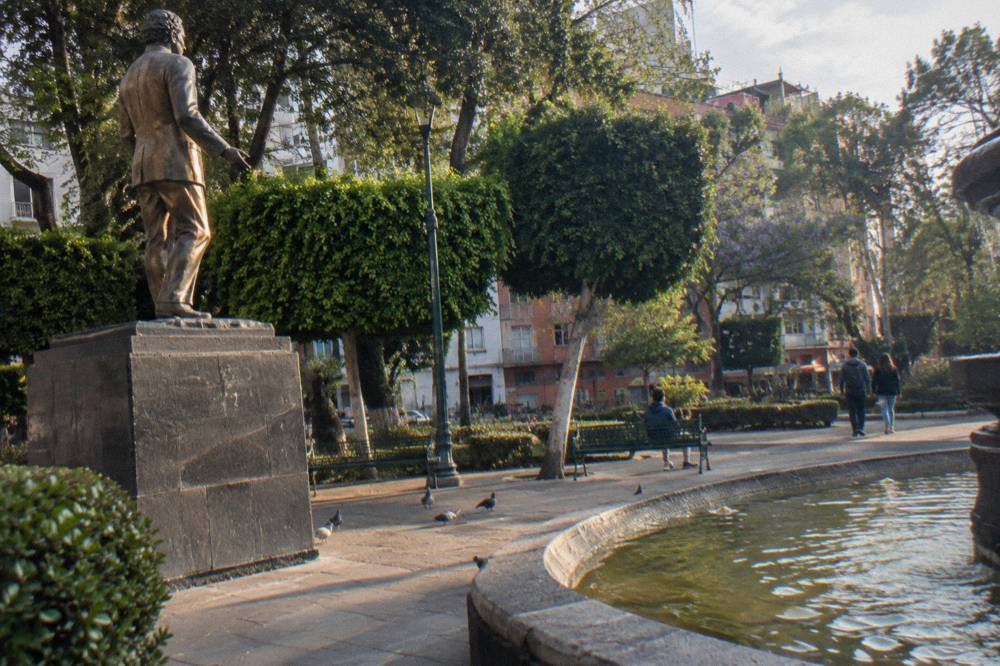
Because Plaza Río de Janeiro and Parque México are open public spaces, they impose no schedule. A morning walk, a late-afternoon park sit and an evening stroll through the restaurant streets are all available on the same day, in any order, for nothing. The district's rhythm follows city life rather than attraction hours: markets do their busiest trade in the daytime, restaurant terraces fill in the evening, and the parks belong to dog walkers and joggers early and to families later. The wider set of guides lives on Free Things To Do In Mexico City. The pay-what-you-want Street Tacos, Safety Focus walk meets at Plaza Villa de Madrid, Roma Norte.
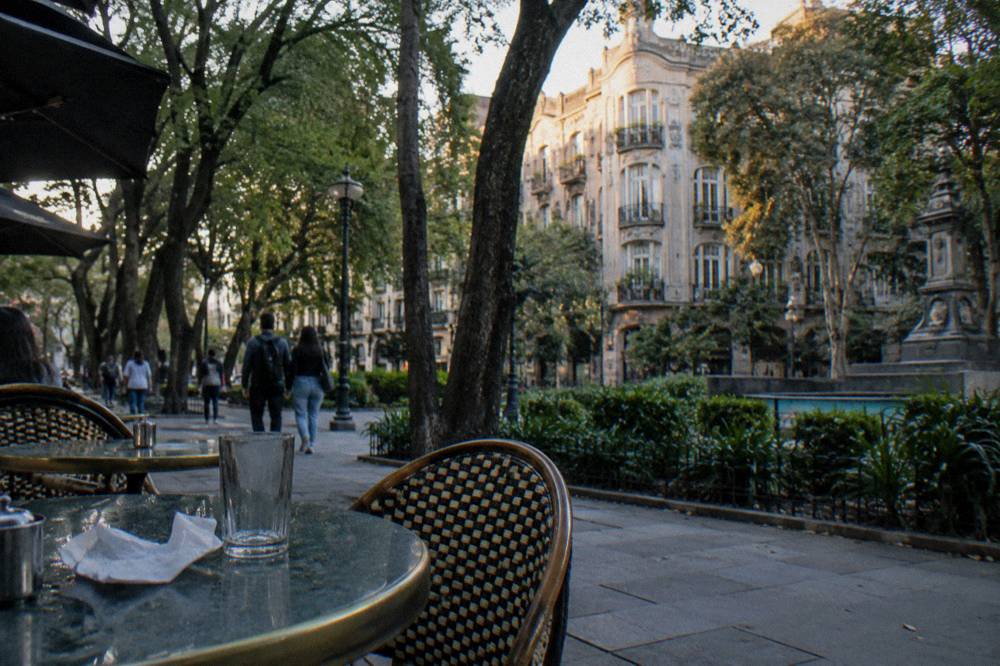
The one scheduling fact worth building a trip around is Monday. The INAH museums, including the Castillo de Chapultepec, the Museo Nacional de Antropología and the Museo del Templo Mayor, close on Mondays, as do the Museo Jumex, the Museo Tamayo, the MUAC and the Museo Frida Kahlo. Sunday free-entry rules are just as conditional: INAH Sunday free entry applies only to Mexicans and foreign residents with ID, and tourists pay, for instance MXN 210 at Chapultepec Castle. Roma Norte itself, with no museum of its own among the sights covered here, is immune to all of this, which is an argument for saving it for a Monday when the museums shut.
For walks, the schedule lives on each listing. The Trendy Roma and Condesa walk runs 2 hours, meeting at Avenida Cuauhtémoc 19, Roma Norte; exact departure times are set on the guide's GuruWalk page, so check the listing for the day you want. The same applies to the food walks that meet in and around the district. Weekend dates fill first, which is the only real timing pressure in the neighbourhood.
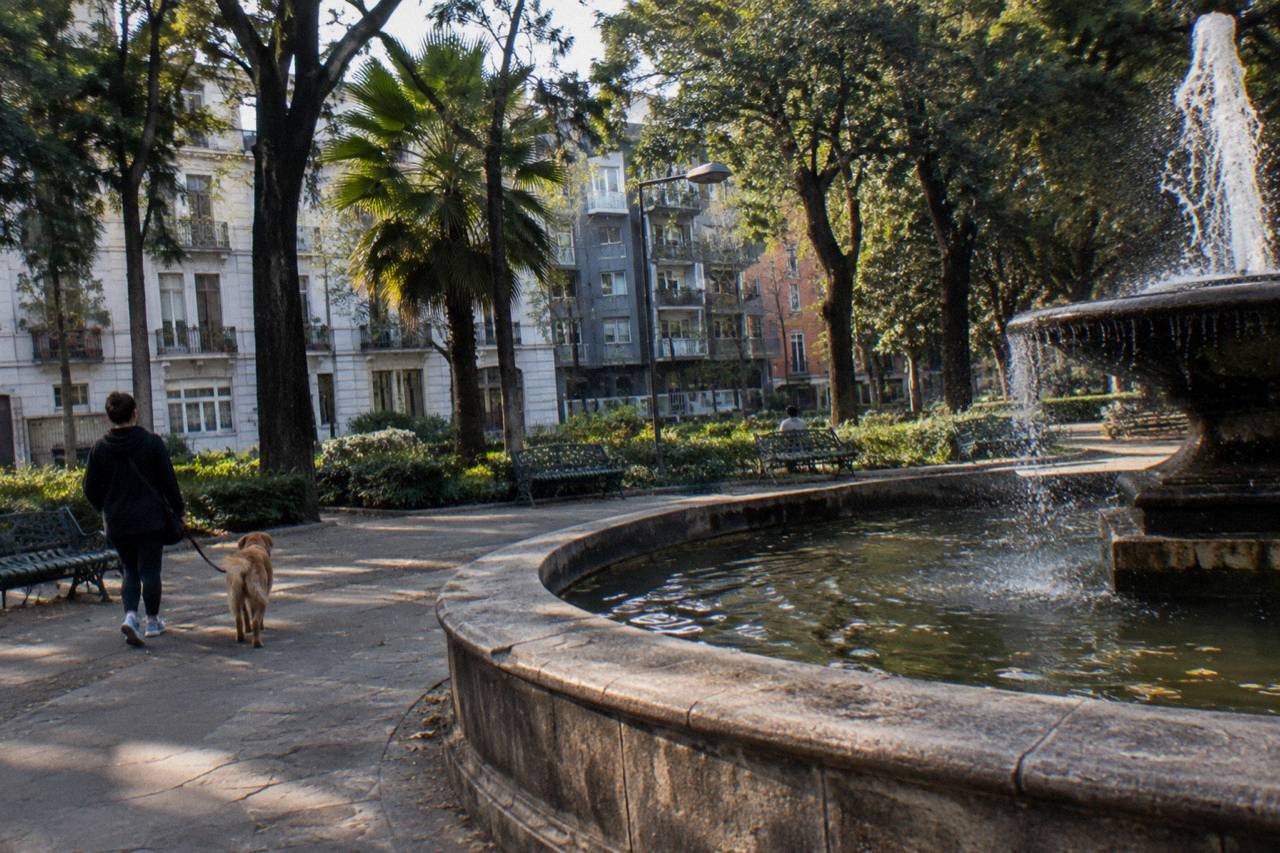
Seasonally, nothing gates Roma Norte. The events that reshape the wider city, the Day of the Dead offerings in late October and early November and the Christmas-season activity around the Zócalo, happen outside the neighbourhood and do not change its access. If a late-2026 or early-2027 trip aligns with those dates, the free Sunday activities guide covers which of the city's Sunday offers actually apply to foreign visitors, a list shorter than most coverage implies.
How Do You Combine Roma Norte With Other Free Sights?
Roma Norte chains naturally west into Condesa's Parque México and east toward the Centro Histórico, and free walks cover both directions: Trendy Roma and Condesa for the immediate pair, and the Centro Histórico walks for the far end. A bike-share day pass at MXN 134 stretches the radius to Chapultepec, where the forest is free to enter while the castle costs MXN 210. Trendy Roma and Condesa is a pay-what-you-want walk that starts at Avenida Cuauhtémoc 19, Roma Norte.
The classic free route is the neighbourhood pair. Walk Plaza Río de Janeiro first, follow Avenida Álvaro Obregón west, cross into Condesa and finish in Parque México. Nothing on that route charges entry, it fits comfortably inside a morning, and the Trendy Roma and Condesa walk covers the same territory with a guide if you would rather have the commentary. Both this page and the Condesa free guide cover their own side of the border.
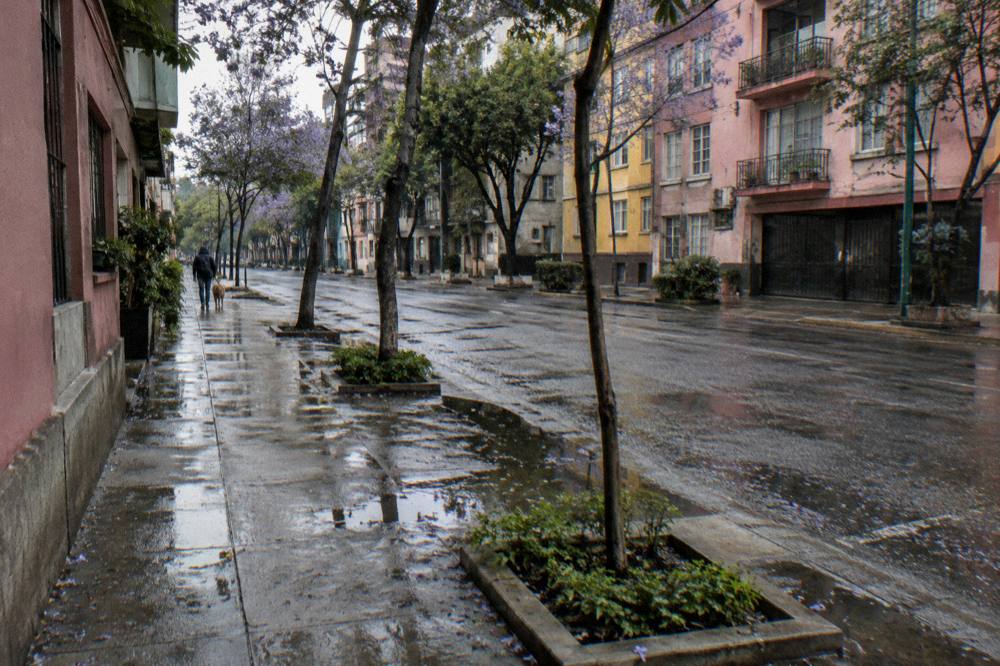
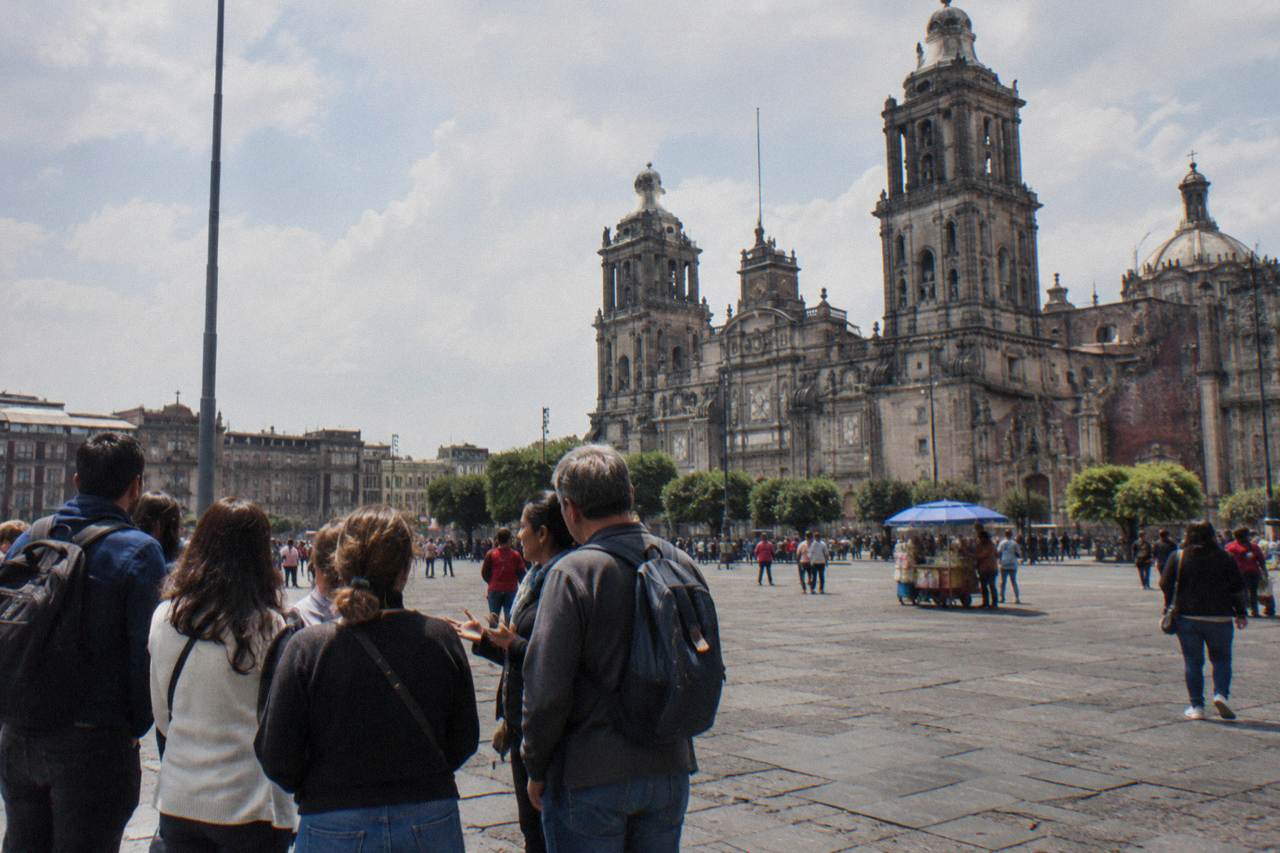
Eastward, the Centro Histórico is a straight run along the Reforma corridor. The Zócalo, the Alameda Central, Avenida Madero and the Plaza de Santo Domingo are all free open spaces, and the Zócalo guide covers the square's own regime, while the Alameda Central free guide covers the park nearest the corridor's eastern end. Free walks serve that end too: the Two-and-a-Half-Hour Introduction, rated 4.82 out of 5 across 4,138 GuruWalk reviews, meets at Plaza de la Constitución, Zócalo and runs 2 hours 30 minutes in English and Spanish, a natural bookend to a Roma-based stay.
Southward, Coyoacán is the most popular free pairing after Condesa. Its Plaza Hidalgo, Mercado de Coyoacán and the Viveros de Coyoacán are free to enter, though note the one big exception in that neighbourhood: the Museo Frida Kahlo, the Casa Azul, is a paid museum at MXN 320, online tickets only, closed Mondays. Walks that pass it treat it as the paid museum it is. The fullest of them for a free-first visitor is the Frida, Markets and Urban Art walk, rated 4.9 out of 5 across 704 GuruWalk reviews, 2 hours 15 minutes in English, meeting at Londres 247, Del Carmen; its page on this site has the details.
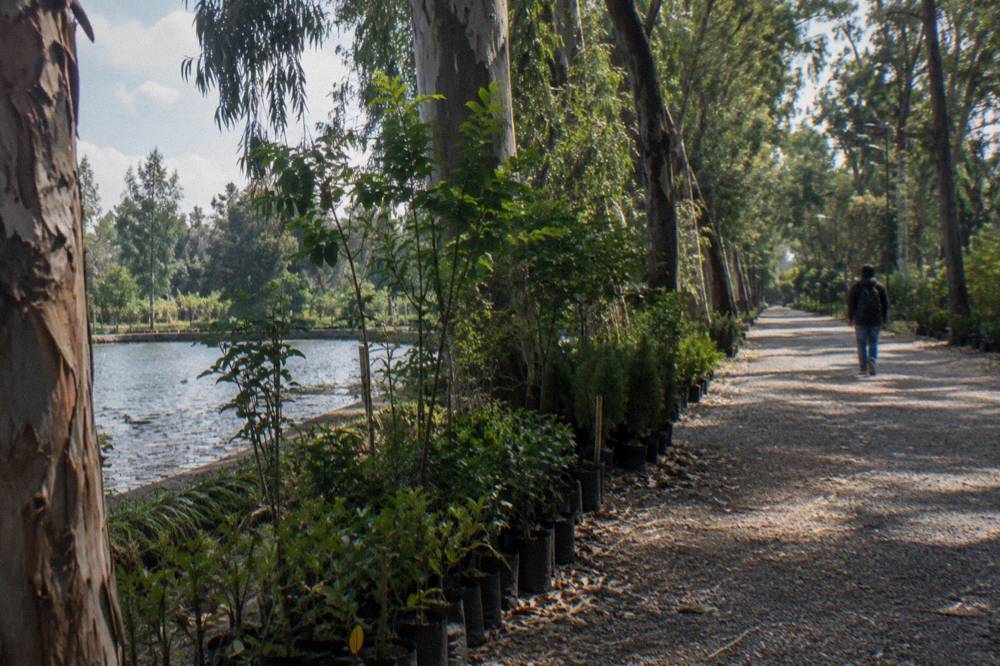
With a bike, Chapultepec enters range. The Bosque de Chapultepec's second section is free to enter, the forest's first section is free to walk as well, while the Castillo de Chapultepec inside it costs MXN 210 and closes Mondays, with Sunday free entry reserved for Mexicans and foreign residents with ID. The Chapultepec castle and park guide carries the full split. The Reforma corridor between Roma and the park is itself a free stretch: the Ángel de la Independencia stands in an open public space with no barrier.
For a deeper cut, the San Ángel and University City walk, 4.67 out of 5 across 84 GuruWalk reviews, runs 2 hours in English and Spanish from Avenida Miguel Ángel de Quevedo 115 and covers the southern cultural axis, whose UNAM Ciudad Universitaria campus is free to walk. And for a completely different register, the Cable Car and Urban Art walk, 4.82 out of 5 across 511 GuruWalk reviews, meets at Bellas Artes and runs 3 hours 45 minutes; guiding is pay what you want while the cable car ride itself is bought separately.
Which Free Walking Tours Meet Near Roma Norte?
Free walks meet inside Roma Norte itself: the Trendy Roma and Condesa walk at Avenida Cuauhtémoc 19, Roma Norte (4.74 out of 5, 1,181 reviews, 2 hours) and the Street Tacos, Safety Focus walk at Plaza Villa de Madrid, Roma Norte (4.65 out of 5, 723 reviews, 2 hours 15 minutes). Both run on GuruWalk, both are pay what you want, and the taco walk's food is bought separately.
The neighbourhood walk is the obvious first choice. Trendy Roma and Condesa, run by the operator Estación, is the directory's walk for this exact district: English and Spanish, 2 hours, meeting on Avenida Cuauhtémoc. Its 4.74 out of 5 across 1,181 GuruWalk reviews makes it one of the most-reviewed walks in the city. Because it is pay what you want, it doubles as a free orientation session: take it on day one, tip the guide, and the neighbourhood's geography is yours for the rest of the trip.
| Walk | Platform | Meets at | Rating and reviews | Duration | Extra costs |
|---|---|---|---|---|---|
| Trendy Roma and Condesa | GuruWalk | Avenida Cuauhtémoc 19, Roma Norte | 4.74 out of 5, 1,181 reviews | 2 hours | None beyond the tip |
| Street Tacos, Safety Focus | GuruWalk | Plaza Villa de Madrid, Roma Norte | 4.65 out of 5, 723 reviews | 2 hours 15 minutes | Food bought separately |
| Street Food, Mezcal Tasting Included | GuruWalk | Mixcoac | 4.96 out of 5, 121 reviews | 2 hours 15 minutes | Food and tasting bought separately |
| Street to Michelin Taco Tour | GuruWalk | Xola 1561, Narvarte Poniente | 4.67 out of 5, 40 reviews | 2 hours | Food bought separately |
The food walks cluster on the same side of the city. Street Tacos, Safety Focus meets at Plaza Villa de Madrid in Roma Norte and runs 2 hours 15 minutes in English and Spanish; guiding is pay what you want while the tacos you stop for are paid separately, never call it fully free. Street Food, Mezcal Tasting Included, 4.96 out of 5 across 121 GuruWalk reviews, meets at Mixcoac with the same split, and the Street to Michelin Taco Tour runs 2 hours from Narvarte Poniente. All three are on GuruWalk.
Beyond the district's edge, the Coyoacán walks are the nearest other family. The Two-Hour Frida Neighborhood Walk, 4.84 out of 5 across 1,065 GuruWalk reviews, meets at Eje 2 Poniente, Del Carmen, 2 hours in English and Spanish. Its sibling Frida, Markets and Urban Art walk, covered above, meets a few streets away on Londres 247. Both treat the Casa Azul as the paid museum it is, MXN 320 online only, and neither includes museum entry.
Every walk in this directory works the same way, which is worth restating at the decision moment: reserve free, walk free, tip what you want. The mechanics, safety picture and tipping norms each have their own post on this site, and the free walking tours guide lists all 24 walks the directory ships, with platforms, meeting points and review figures side by side. This site neither operates nor is affiliated with GuruWalk; every listing is an independent local guide's own walk.
Mistakes That Trip People Up At Roma Norte
The commonest mistakes are assuming "free neighbourhood" means a free day everywhere nearby, treating Sunday museum free-entry as a tourist benefit, and confusing pay-what-you-want walks with all-inclusive ones. Roma Norte's own attractions never charge, but Chapultepec Castle at MXN 210, the Casa Azul at MXN 320 and the taco walks' food are all real costs that catch visitors who skimmed the fine print. The pay-what-you-want Trendy Roma and Condesa walk meets at Avenida Cuauhtémoc 19, Roma Norte.
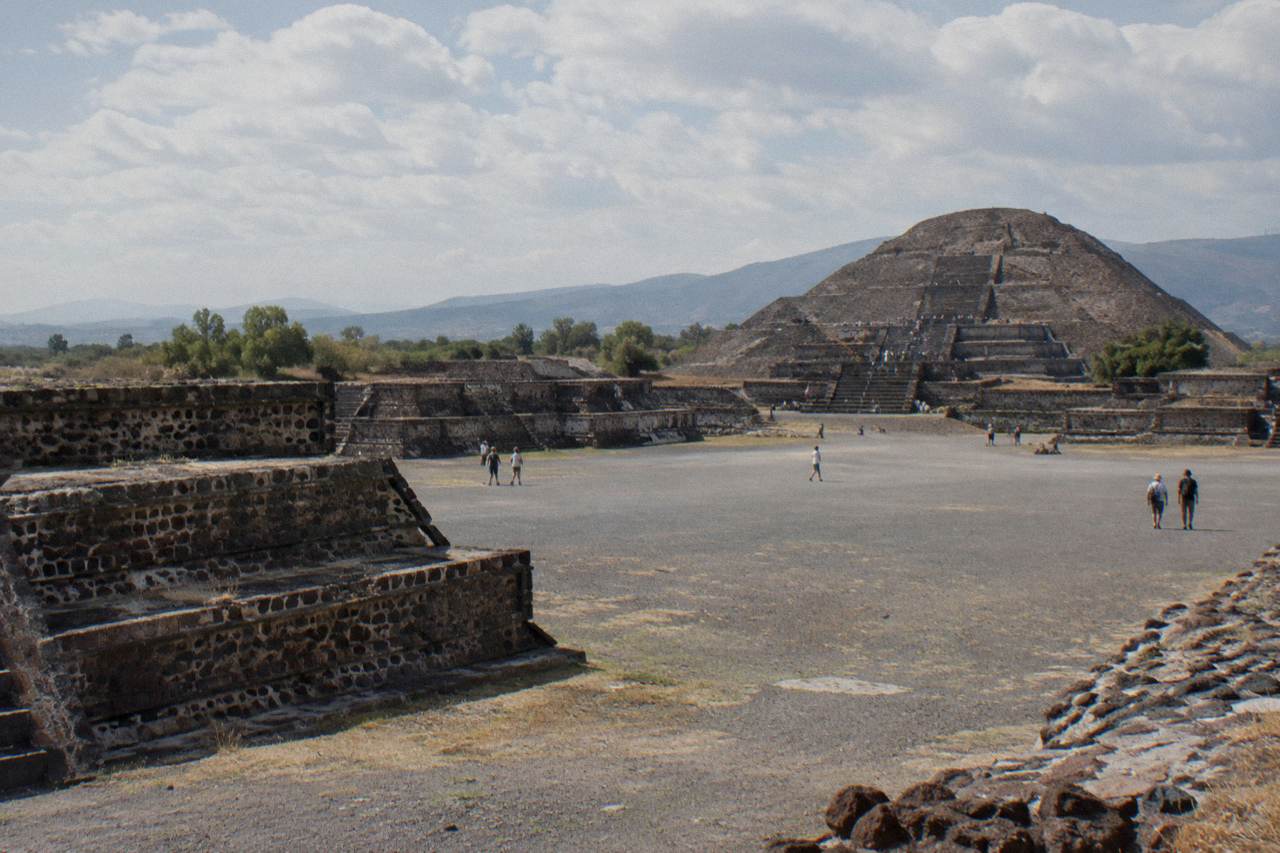
The first mistake is merging free regimes. The city's free-day rules differ by operator and often exclude tourists entirely: INAH Sunday free entry, which covers Chapultepec Castle, the Templo Mayor, Tlatelolco, Teotihuacan and the Museo Nacional de Antropología, applies to Mexicans and foreign residents with ID, not to foreign visitors on a trip. The INAH museums among them close on Mondays, while Tlatelolco and Teotihuacan open daily. Meanwhile the Museo Jumex is free to everyone every open day, and the Museo Tamayo is free to everyone on Sundays. Assuming one Sunday rule covers all of them is how visitors end up at a closed museum or a surprise MXN 210 ticket.
| Free regime | Who gets it | Catch |
|---|---|---|
| INAH sites (Chapultepec Castle, Templo Mayor, Antropología, Tlatelolco, Teotihuacan) | Mexicans and foreign residents with ID, Sundays only | Tourists pay; museums closed Mondays; Tlatelolco and Teotihuacan open daily |
| Museo Jumex | Everyone, every open day | Closed Mondays |
| Museo Tamayo | Everyone on Sundays | MXN 95 other days; closed Mondays |
| MUAC | Everyone, Thursdays 18:00 to 20:00 | MXN 60 otherwise |
| Antiguo Colegio de San Ildefonso | Everyone on Sundays | MXN 50 other days |
The second mistake is treating a free walk as fully free when it carries extras. The taco and street-food walks in and around Roma Norte, and the cable car walk, all have additional costs on its GuruWalk page: guiding is pay what you want while food, drink or the cable car ride is bought separately. No money figure belongs on the walk itself, but "free" never means the tacos are included. The same discipline applies to the Spanish-only walks in the directory, which run in Spanish and, for the two that enter museums, carry museum entry as an extra.
The third mistake is logistical: planning Roma Norte around opening hours that do not exist, and ignoring the hours that do. The neighbourhood has none, which tempts visitors to leave it unplanned; the smarter move is to schedule it on a Monday, when the museum city shuts, and save the ticketed days for what actually needs them. And the Casa Azul trap repeats itself here: it is online tickets only, with no in-person sales, so a Coyoacán add-on planned for the spur of the moment can end at a closed online queue.
Common Questions About Roma Norte
Is Roma Norte free to visit?
Yes, completely. Roma Norte is an open residential neighbourhood with no gates, tickets or entry charges. Its central Plaza Río de Janeiro is a free public square, Mercado Medellín is free to browse, and the neighbouring Parque México in Condesa is free to enter. You pay only for food, drink or bike-share if you choose them.
What is free to do in Roma Norte?
Plaza Río de Janeiro, the streetscape along Avenida Álvaro Obregón, and a browse through Mercado Medellín are all free. Parque México sits just across the boundary in Condesa and is likewise free. Pay-what-you-want walking tours on GuruWalk, including Trendy Roma and Condesa at 4.74 out of 5 across 1,181 reviews, meet inside the neighbourhood.
Are the walking tours in Roma Norte really free?
They are free to join, and the guide is paid by tips at the end, at whatever amount you decide. The Trendy Roma and Condesa walk runs 2 hours in English and Spanish from Avenida Cuauhtémoc 19. Food walks that meet in the district follow the same model, but the tacos and tastings themselves are bought separately.
What costs money in Roma Norte?
Food and drink, Ecobici bike-share day passes (MXN 134 for one day, MXN 263 for three, MXN 441 for seven), and any museums or paid attractions you add elsewhere in the city, such as Chapultepec Castle at MXN 210 or the Museo Frida Kahlo at MXN 320. The neighbourhood's own public spaces charge nothing.
When is the best day to visit Roma Norte?
Any day works, since the neighbourhood never closes, but Monday is a smart pick: the INAH museums, the Museo Jumex, the Museo Tamayo and the Museo Frida Kahlo all close on Mondays, so a Monday freed of museum plans fits Roma Norte perfectly. Departure times for the free walks are set on each listing.
Can you walk from Roma Norte to Chapultepec?
Yes, and the route along the Reforma corridor passes the Ángel de la Independencia, which stands in a free open public space. Chapultepec's forest sections are free to enter, while the Castillo de Chapultepec inside costs MXN 210, closes Mondays, and its Sunday free entry applies only to Mexicans and foreign residents with ID. An Ecobici day pass at MXN 134 shortens the trip.