Xochimilco On A Budget: What Is Free And What Costs Money
Xochimilco is the part of Mexico City where the free and the paid sit closest together: the embarcaderos cost nothing to walk, the trajinera boats are a paid ride, and the surrounding landscape is open public space.
In Short
Walking the Xochimilco embarcaderos and canalside is free; a trajinera boat ride is paid, and no official hourly rate is published on a primary page, so agree the price at the dock. There is no entry gate and no ticket for the landscape itself. Budget for the boat only, and treat everything on foot as free.
Part of the Free Things To Do In Mexico City guides series, this one covers the southern canal borough of Xochimilco and its free-versus-paid split.
Quick Facts
| Question | Answer |
|---|---|
| Is Xochimilco itself free? | The embarcaderos and canalside are free to walk |
| What costs money? | A trajinera boat ride, paid; no official rate published on a primary page |
| Is there an entry gate or ticket? | No, the landscape is open public space |
| Free days or Sunday rules? | None apply, there is no INAH Sunday scheme here |
| Nearest free walking tours | Pay-what-you-want walks on GuruWalk, meeting in central Mexico City |
Is Xochimilco Free To Visit?
Yes, Xochimilco is free to visit: there is no gate, no ticket office, and no charge to walk the embarcaderos where the trajinera boats are moored, so the canalside paths and the docks cost nothing to enter or wander. The only thing you pay for is the boat ride, a separate transaction agreed at the dock rather than an entrance fee, and treating those two facts as one is the most common mistake visitors make.
The split is the whole story. Xochimilco is listed as a conditional destination precisely because the free and paid pieces are so easily confused: the embarcaderos are free to walk, while a trajinera ride is paid and no official hourly rate appears on any primary page. That last point matters. You will see figures quoted around the city and online, but this site only publishes amounts that appear in its own verified data, and for the trajinera no such figure exists. Agree the price on the dock before you step aboard, and treat any number a third party quotes you as their claim, not an official rate.
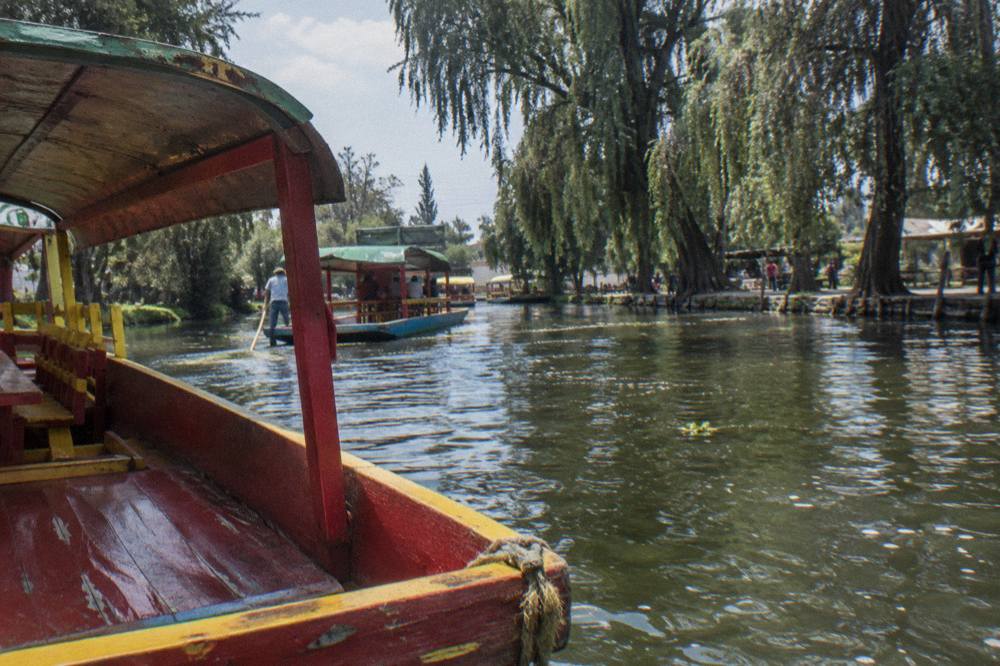
The second thing to understand is what Xochimilco is: the last extensive living remnant of the lake system on which Mexico City was built, worked by trajineras, the painted wooden boats that have carried goods and passengers along these channels for generations. The borough gives the canals their name, and the canals give the city its most distinctive water landscape. None of that requires a ticket to see. Walking the embarcaderos, watching the boats come and go, and standing on the canalside as the painted boats pass are all free.
The honest framing, then, is this: Xochimilco is free to visit and paid to ride. A traveller who arrives, walks the docks, follows the canalside, and leaves has spent nothing on the attraction itself. A traveller who wants the boat, which is the experience most people come for, pays for exactly that and nothing more. The only trap is assuming the word free either covers the boat or excludes the whole site. It does neither. For a broader look at how the city's free pieces fit together, the free things to do in Mexico City overview lays out the same logic across every district.
| Place | Free Or Ticketed | What Is Free | What You Still Pay For |
|---|---|---|---|
| Xochimilco Canals and Embarcaderos | Free on conditions | The embarcadero areas are free to walk. A trajinera boat ride is paid per boat per hour. | Some parts carry a charge; check the official site for the current price. |
What Is Free Around Xochimilco?
The free side of Xochimilco is the walkable landscape itself: the embarcaderos, the canalside, and the openly public character of the borough around the water. Entering the dock areas costs nothing, the canalside carries no charge, and no ticketed viewpoint exists anywhere in the embarcadero zone, which is why the embarcaderos are listed as free to walk while the boats sit on the paid side.
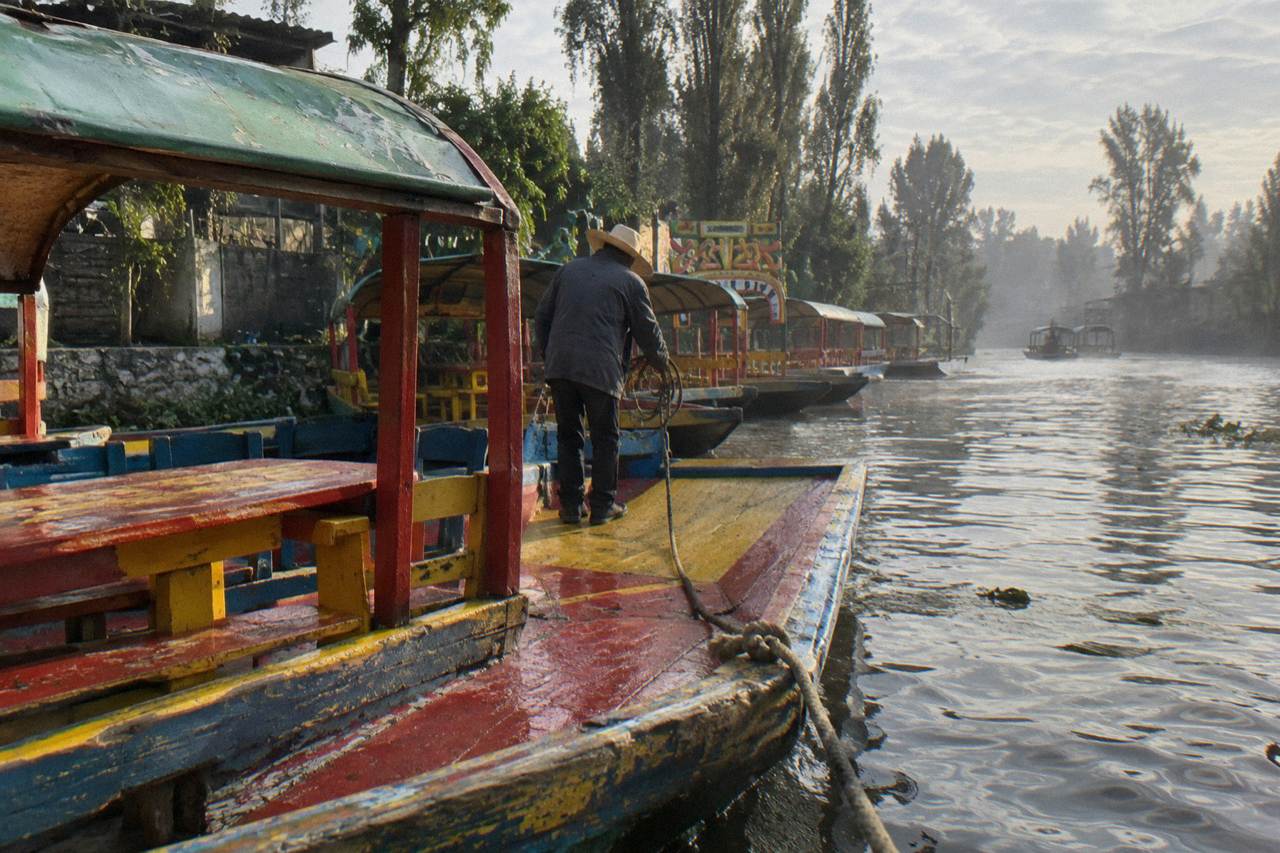
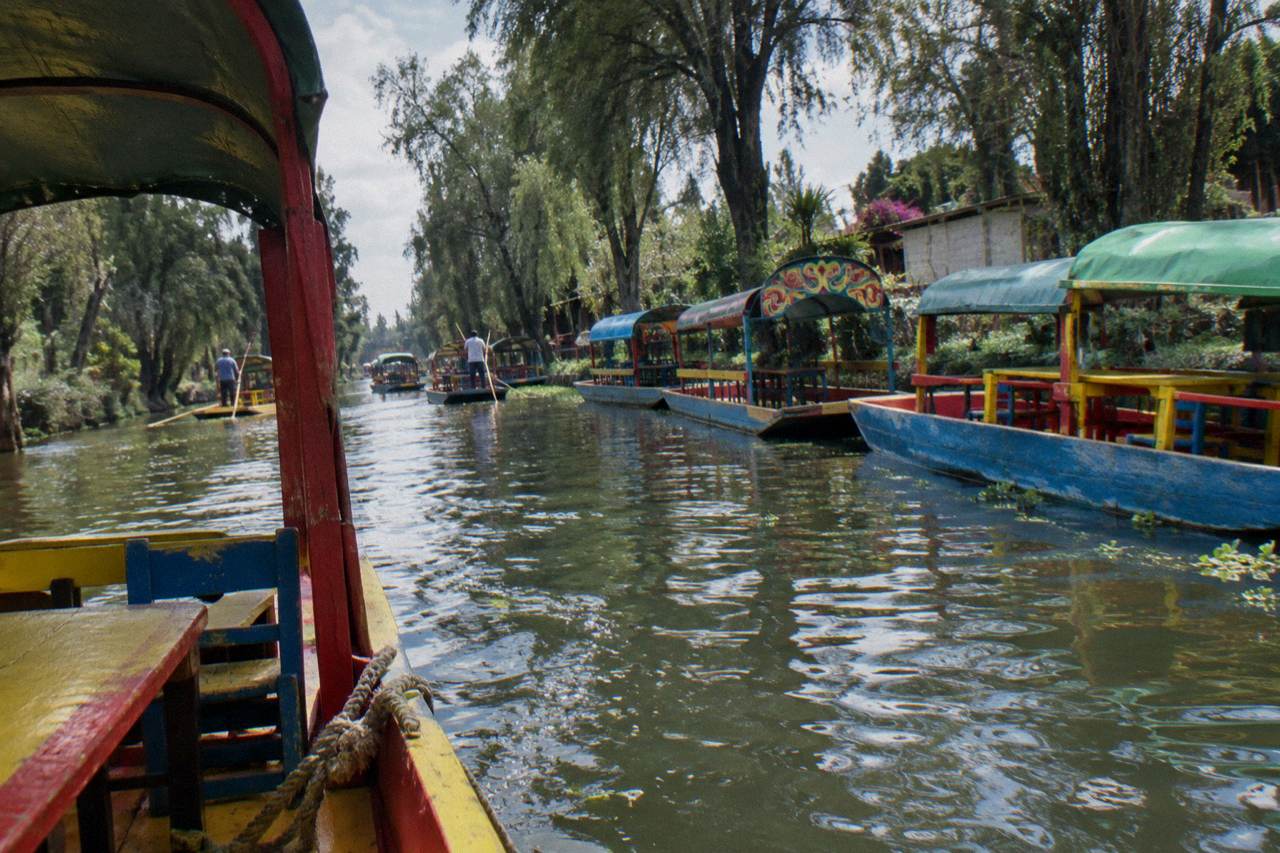
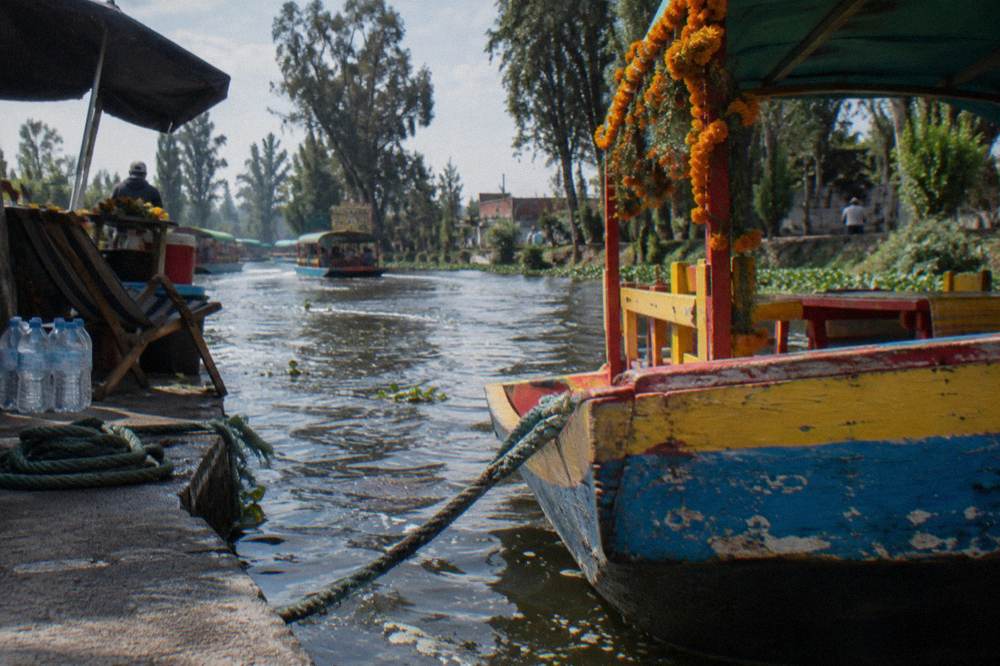
Start with the embarcaderos. These are the working docks where trajineras load and unload, and they are the most atmospheric free thing in the borough: painted boats moored bow to bow, the canals opening out behind them, the whole scene visible without spending anything. What we publish for this site is deliberately specific. Free to walk is the claim, and nothing more is claimed. No hours are stated for the embarcaderos, so this site does not publish any, and no transport advice is given beyond the meeting-point and neighbourhood facts that appear elsewhere on these pages.
| Free element | Status | Notes |
|---|---|---|
| Embarcaderos | Free to walk | Working docks where trajineras moor; no hours stated, none published |
| Canalside paths | Free, open public space | No ticket, no gate, no closing regime |
| Borough streets and squares | Free, ordinary public space | Same status as any Mexico City neighbourhood |
| Market visiting | Free to enter | Food and goods are purchases, not entry fees |
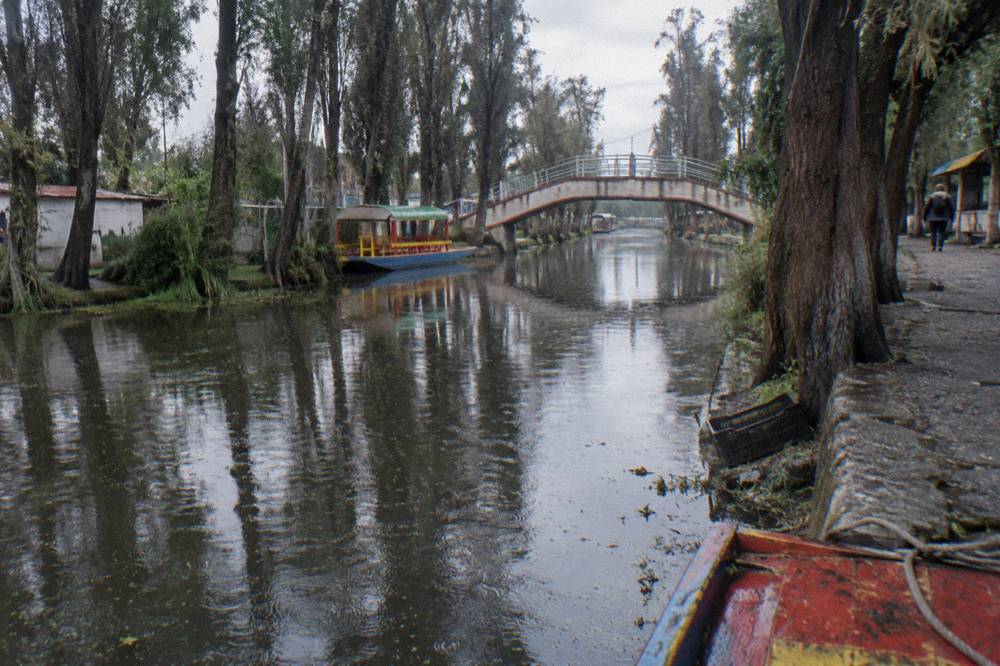
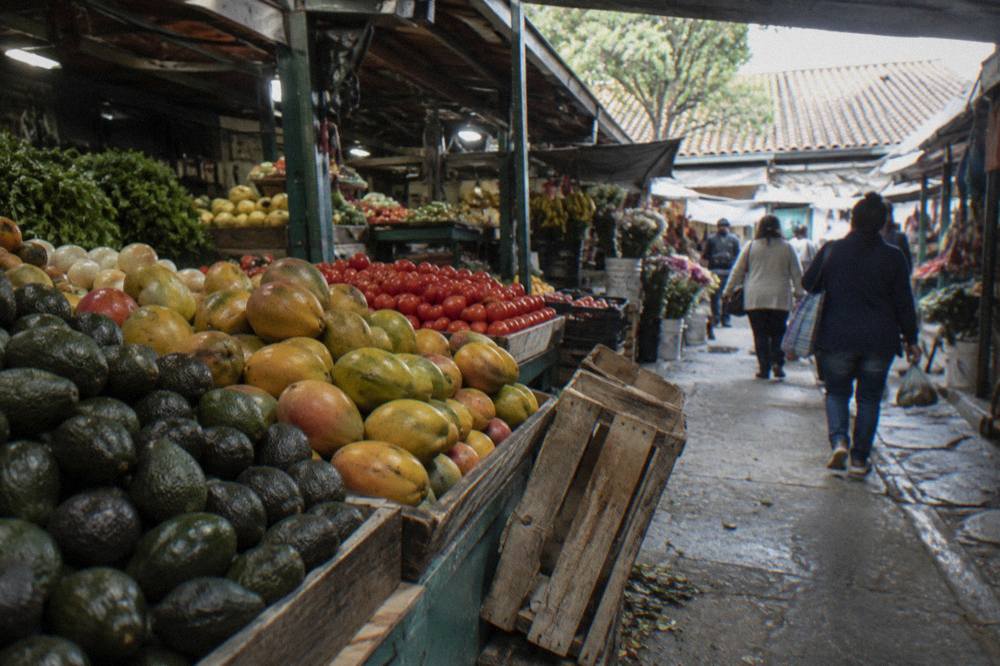
Around the water, the free list is short and honest. The canalside paths are public. The borough's ordinary street life, its markets and squares, functions the way any Mexico City neighbourhood does, and the city's free markets guide covers how market visiting works without spending beyond what you choose to buy. Xochimilco's own market culture follows the same pattern: entry is free, food and goods are purchases. Combining a canalside walk with a market wander is the classic zero-cost Xochimilco morning.
One thing this site will not do is inflate the free list. There is no verified free museum in the embarcadero zone, no free viewpoint with stated hours, no free event calendar for the borough in the current data. What is published above is what official sources support. That is a smaller list than some travel articles offer, but every line of it is one you can rely on. When a new free element is confirmed on an official page, it joins the list; until then, the free side of Xochimilco is the walk, the docks, and the water, which is, honestly, quite a lot of landscape for nothing.
What Costs Money At Xochimilco?
One thing costs money at Xochimilco: the trajinera boat ride, which is paid, with no official hourly rate published on a primary page. Food, drink and anything bought from boats or vendors is a purchase like any other. There is no entrance fee, no mirador ticket, and no charge for the embarcaderos, so if you are budgeting, the boat is the single line item. Everything else you can do on foot at Xochimilco costs nothing at all.
The absence of a printed price is not an omission, it is the finding. The official page shows the trajinera as paid with no rate stated, and no official page gives a price either. That means the honest instruction is: ask at the embarcadero, agree the figure before boarding, and be clear about whether it covers the whole boat or per person, and for how long. Those are the questions that decide what the ride costs, and no website can answer them for the specific dock and day you choose.
To keep the paid side in proportion, it helps to set it against the city's other two-part attractions, the places where a free exterior wraps a paid core. Chapultepec forest is free to enter while the Castillo de Chapultepec costs MXN 210 and closes Mondays. The Plaza de las Tres Culturas is free while the Tlatelolco archaeological zone is paid, MXN 155 for tourists. The Torre Latinoamericana's street level is free while its mirador is paid. Xochimilco follows exactly this pattern, with one difference: at the other sites a stated price exists for the paid part, while here the trajinera rate lives at the dock. The Chapultepec castle and park guide works through that site's version of the same split.
A paid item that should not be confused with the attraction: getting there. Transport is a cost of reaching Xochimilco, not a cost of Xochimilco, and this site publishes no transport claims beyond what official pages state. Likewise, food and drink sold around the embarcaderos are ordinary purchases. The clean way to think about the day is one decision: walk for free, or ride for a price you set yourself at the dock. There is no third option, and no hidden fee beyond the ones you agree to out loud.
When Is The Best Time To Visit Xochimilco?
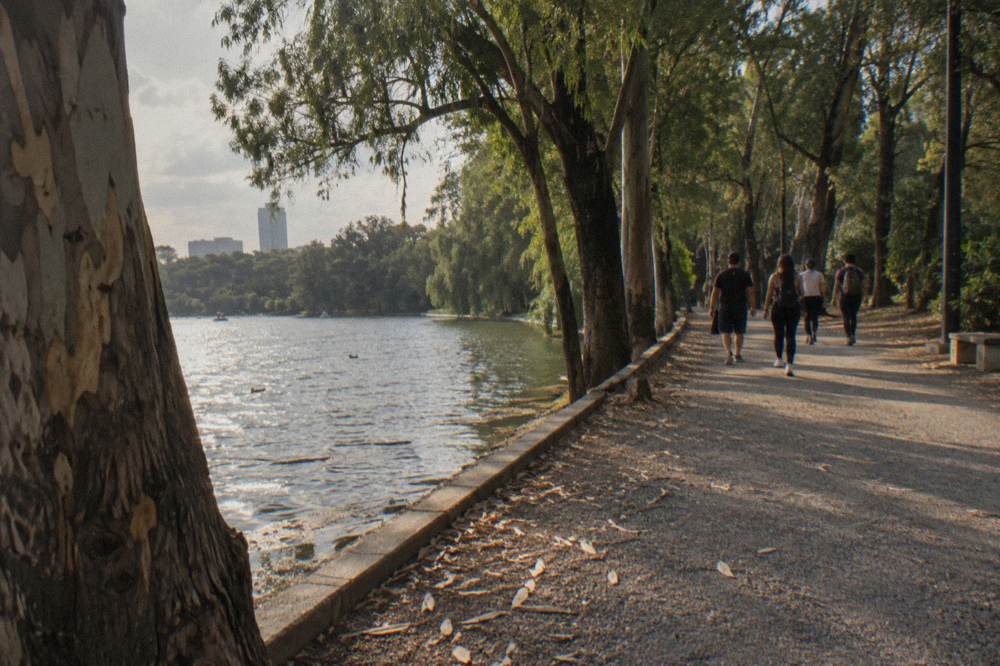
No single best time can be honestly claimed, since no official source supports crowd or weather claims, yet the facts that do exist make any day viable: the open landscape has no closing day, no seasonal entry regime, and no free-day calendar, and unlike the city's museums, Xochimilco's free side has no Monday problem. The only seasonal events in the verified data are citywide, not canal-specific, and the biggest has just ended for the year.
The Day of the Dead period is the exception worth knowing, and it is over. The official visitor guide at mexicocity.cdmx.gob.mx lists the 2026 edition in full: the Reforma flower festival ran 18 October to 1 November, the Gran Desfile rolled on Saturday 31 October, and the Zócalo's monumental ofrenda stood from 29 October to 2 November, with community ofrendas at twelve sites including the Plaza de las Tres Culturas. Nothing is announced for 2027 yet. If a Day of the Dead trip is the plan, expect similar dates in late October and early November, and check the official guide rather than assuming.
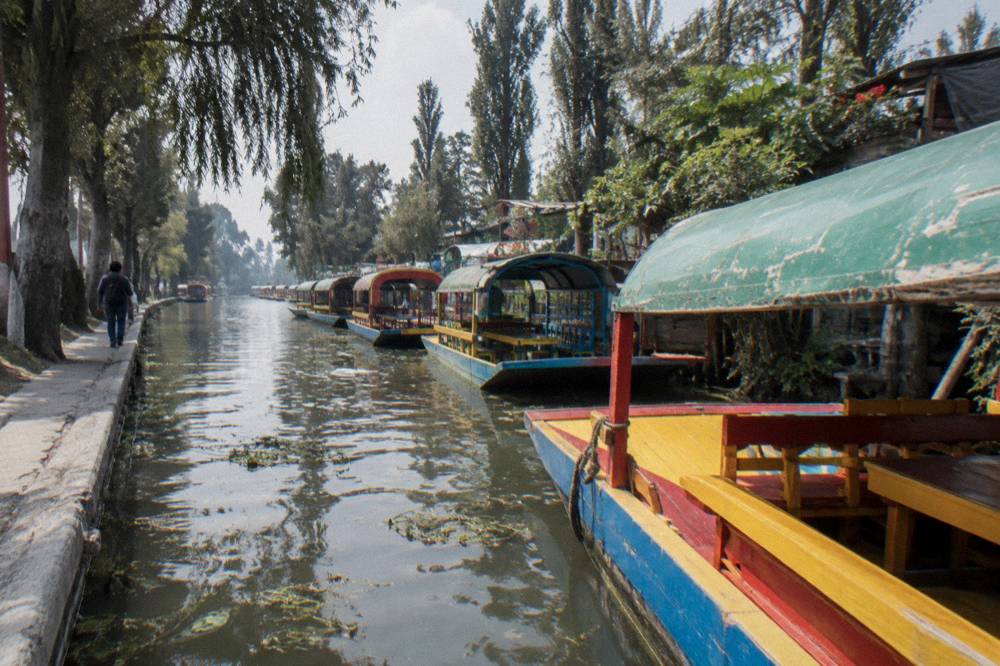
Beyond the festival, the timing facts that matter are the closing-day rules of the things you might pair with Xochimilco, not of Xochimilco itself. The museums close on Mondays: Jumex, Franz Mayer, Tamayo, MUAC, the Frida Kahlo museum and every INAH museum. If the plan is a weekend or a Monday in the south of the city, the canals are available on the Monday when the museums are not, and the INAH Sunday free-entry rule, which covers Mexicans and foreign residents with ID only, with tourists paying, does not touch Xochimilco at all because no INAH site sits in the embarcadero zone. Everything else covered here is indexed on Free Things To Do In Mexico City.
| Sight type | Closing day | Free window | Who the free window is for |
|---|---|---|---|
| Xochimilco landscape | None stated | Always free to walk | Everyone |
| INAH museums (Castillo de Chapultepec, Templo Mayor, Tlatelolco, Teotihuacan) | Monday (museums only; Tlatelolco and Teotihuacan open daily) | Sunday | Mexicans and foreign residents with ID; tourists pay |
| Museo Tamayo | Monday | Sunday | Everyone |
| MUAC | Monday | Thursday 18:00 to 20:00 | Everyone |
| Museo del Chopo | Monday and Tuesday | Wednesday | Everyone |
| Museo Frida Kahlo | Monday | None, MXN 320 online only | Nobody, no free day |
What this site will not do is tell you the boats are quieter at dawn or the docks are busy on Sundays. No official source here supports those claims, and repeating them would be inventing colour. What can be said is structural: the free side never closes by regime, the paid side is negotiated live at the dock whenever you go, and the one date-anchored fact in the neighbourhood's orbit, the late-October festival window, is the only period with a documented reason to expect something different from an ordinary day.
How Do You Combine Xochimilco With Other Free Sights?
Combine Xochimilco's canalside with Coyoacán's free squares and market for a southern day, or stretch that day further by adding the UNAM campus, keeping a pay-what-you-want walk as your anchor in the central city. Everything sits on the free side of the ledger in whole or in part, and the pairing works because the free pieces are open public spaces with no closing regime, while the paid museums among them close on Mondays.
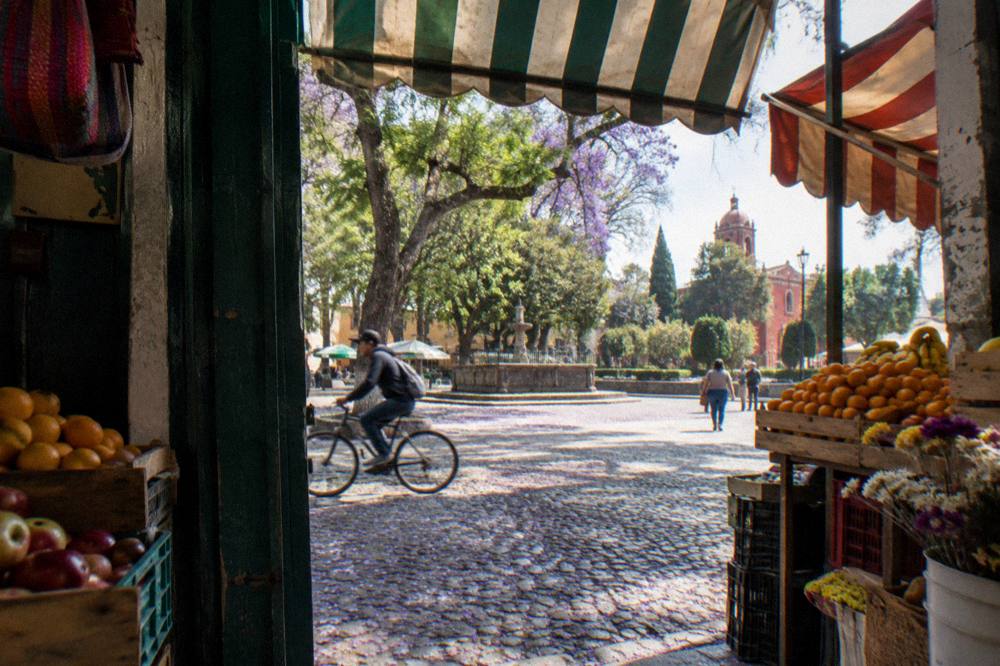
Coyoacán is the natural companion, and its free pieces are documented: Plaza Hidalgo, the Mercado de Coyoacán and the Viveros de Coyoacán all appear on the free list. The Coyoacán guide covers them in full, along with the one paid warning that belongs in the same breath: the Museo Frida Kahlo, the Casa Azul, is a paid museum at MXN 320, sold online only with no in-person tickets, closed Mondays, and its ticket includes the Museo Anahuacalli. A Frida-focused walk through Coyoacán passes the Casa Azul as a paid museum, never as a free stop.
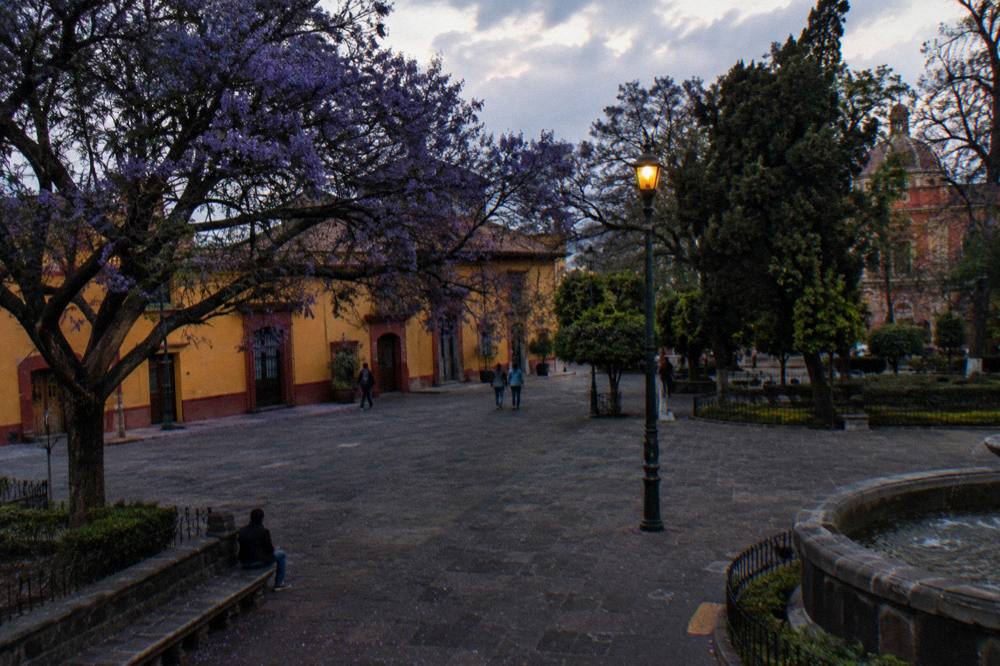
The UNAM campus is the other documented southern free sight, listed as free along with the Cuicuilco archaeological zone, also free. The MUAC on the campus has its own regime: free on Thursday evenings from 18:00 to 20:00, MXN 60 otherwise. San Ángel's Bazar del Sábado appears on the free list too, and the San Ángel and University City walk, a pay-what-you-want GuruWalk walk rated 4.67 out of 5 across 84 GuruWalk reviews, meets at the entrance of the Octavio Paz Bookstore of the Fondo de Cultura Económica and runs two hours in English and Spanish. That is the walk-shaped way to bind the southern sights into one narrative.
Building the day is then a matter of free pieces plus one negotiated price. Walk the embarcaderos first, decide on the boat at the dock or skip it, then move north to Coyoacán's plazas and market, and, on a Thursday, finish at the MUAC in its free evening window. On a Monday, drop the museums and keep the open spaces: the canalside, Coyoacán's squares, the campus exterior. That structure costs nothing at all if the boat is declined, and one agreed fare if it is not. For getting around by bike, the city's Ecobici day plans are published at ecobici.cdmx.gob.mx: one day at MXN 134, three days at MXN 263, seven days at MXN 441.
Which Free Walking Tours Meet Near Xochimilco?
None of the city's 24 pay-what-you-want walking tours meets in Xochimilco itself; every one gathers in central and west-central neighbourhoods, so the honest answer is to join a walk in the city core and reach the canals under your own arrangements. The Coyoacán tours pair best with a southern day, meeting in the neighbourhood that sits between the centre and the canals.
The Coyoacán options are documented in full. The Two-Hour Frida Neighborhood Walk, run by Estación on GuruWalk, is rated 4.84 out of 5 across 1,065 GuruWalk reviews, meets inside the Viveros / Derechos Humanos metro station next to the ticket office, and runs two hours in English and Spanish. Frida, Markets and Urban Art, run by Axolotours on GuruWalk, is rated 4.9 out of 5 across 704 GuruWalk reviews, meets in front of the entrance to the Frida Kahlo Museum, and runs 2 hours 15 minutes in English. There is also a Spanish-only Coyoacán and Frida walk, which runs in Spanish. This site never states a route for any walk beyond its meeting point and neighbourhood, so the way to see what each covers is the guide's own listing.
| Walk | Platform | Rating and reviews | Meets at | Duration |
|---|---|---|---|---|
| Two-Hour Frida Neighborhood Walk | GuruWalk | 4.84 out of 5, 1,065 reviews | Eje 2 Poniente, Del Carmen | 2 hours |
| Frida, Markets and Urban Art | GuruWalk | 4.9 out of 5, 704 reviews | Londres 247, Del Carmen | 2 hours 15 minutes |
| San Ángel and University City | GuruWalk | 4.67 out of 5, 84 reviews | Avenida Miguel Ángel de Quevedo 115 | 2 hours |
| Two-and-a-Half-Hour Introduction | GuruWalk | 4.82 out of 5, 4,138 reviews | Plaza de la Constitución, Zócalo | 2 hours 30 minutes |
If the day starts in the centre instead, the flagship is the Two-and-a-Half-Hour Introduction, run by Kactus on GuruWalk, rated 4.82 out of 5 across 4,138 GuruWalk reviews, meeting at Plaza de la Constitución, Zócalo, in English and Spanish. It is the single most-reviewed free walk in this directory and the one most first-time visitors use to get their bearings before heading south.
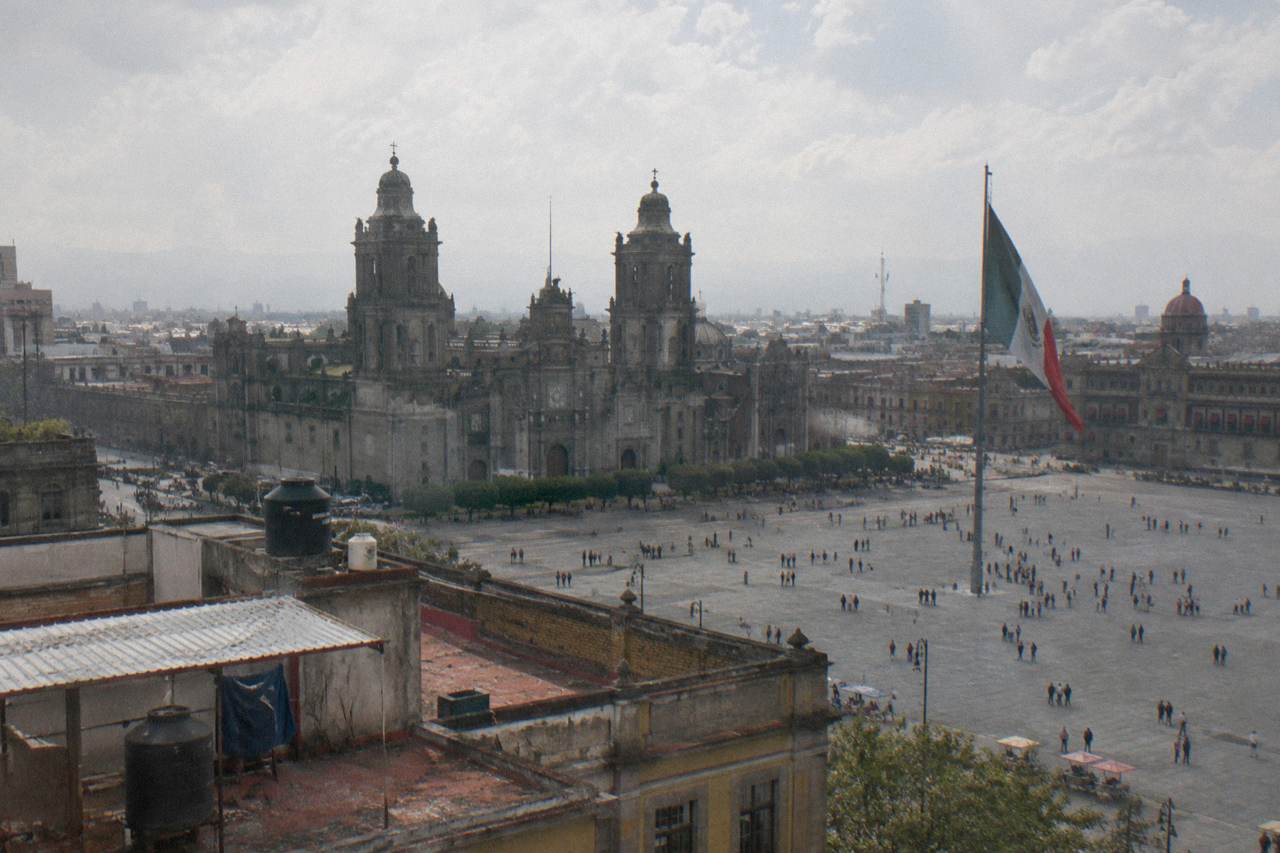
The Estación Historic Center Walk covers the same ground from a different guide: 4.83 out of 5 across 2,838 GuruWalk reviews, two hours, English and Spanish, meeting at the Metropolitan Cathedral, Zócalo. And for visitors who want depth over breadth, the Historic Center With a Historian walk, run by Free Tour Europe on GuruWalk, is rated 4.91 out of 5 across 1,360 GuruWalk reviews and runs 2 hours 15 minutes in German, English and Spanish from Plaza de la Constitución, Zócalo. Any of the three can anchor a morning in the centre before an afternoon at the canals, and every one of them is free to book with the tip decided at the end.
Mistakes That Trip People Up At Xochimilco
The recurring mistakes are assuming the boat is included in free Xochimilco, quoting a trajinera price no official page publishes, and treating the visit as something that needs a ticket or a closing-day check. Every one of these comes from merging the free landscape with the paid ride, or from importing other attractions' rules into a place where they do not apply. The facts are clear, and each mistake below has a documented correction rather than a guess.
The first mistake is calling Xochimilco simply free. The embarcaderos are free to walk and the trajinera is paid, and a conditionally free attraction is never called free without its condition in the same sentence. The second is quoting a boat rate. No primary page publishes one, so any figure you read, here or elsewhere, is somebody's claim. The third is treating the free side as if it had a regime: no hours, no free day, no Monday closure apply to the open landscape. The fourth is pairing blindly with museums: Mondays close Jumex, Franz Mayer, Tamayo, MUAC, the Frida Kahlo museum and every INAH museum, so a Monday southern day should stick to open spaces. The fifth is forgetting who Sunday free entry is for at the INAH sites: Mexicans and foreign residents with ID, with tourists paying, a rule that has no bearing on Xochimilco but shapes the rest of a weekend plan.
The sixth mistake is expecting a walking tour at the docks. The city's pay-what-you-want walks meet in the centre, west and Coyoacán, not in Xochimilco, and the walk-shaped version of a southern day is a Coyoacán meeting point plus independent travel to the embarcaderos. The seventh, and the one that costs real money, is boarding without agreeing the fare, duration and per-boat or per-person basis out loud at the dock. That single habit does more than any guide can to keep the paid side of Xochimilco honest.
Common Questions About Xochimilco
Is Xochimilco free to visit?
Yes, in the walking sense: the embarcaderos and canalside are free to walk and there is no gate or ticket for the landscape. The trajinera boat ride is the paid part, and its rate is agreed at the dock because no official price is published on a primary page. Free to visit, paid to ride.
How much does a trajinera boat cost at Xochimilco?
No official hourly rate is published on any primary page, so this site prints no figure. Agree the price at the embarcadero before boarding, and be clear whether it covers the whole boat or per person, and for how long. Treat any number quoted by a third party as their claim, not an official rate.
Can you visit Xochimilco without taking a boat?
Yes. The embarcaderos are free to walk, the canalside is public, and the dock scene with its painted trajineras is visible without paying anything. A visitor who walks the docks and canalside and skips the ride spends nothing on the attraction itself.
Are there free walking tours in Xochimilco?
None of the city's 24 pay-what-you-want walks meets in Xochimilco. The nearest options meet in Coyoacán, including a Two-Hour Frida Neighborhood Walk rated 4.84 out of 5 across 1,065 GuruWalk reviews. The usual pattern is a guided walk in Coyoacán or the centre, then independent travel to the embarcaderos.
What is the best day of the week to go to Xochimilco?
No official source backs crowd or quiet-hour claims, so this site makes none. Structurally, the free landscape has no closing day or regime, which makes Monday viable for the canalside on a day when most museums close. Any timing advice beyond that would be invented colour.
Is Xochimilco included in the Sunday free-entry rules?
No. The INAH Sunday free-entry scheme covers Mexicans and foreign residents with ID, with tourists paying, and applies to sites like the Castillo de Chapultepec and the Templo Mayor, not to Xochimilco. There is no free-day calendar here because there is no entry fee to waive on the walking side.