Is Teotihuacan Free To Visit?
Teotihuacan is free only on Sundays, and only for Mexicans and foreign residents with ID; tourists pay for entry every day. Here is exactly how the free option works.
In Short
Teotihuacan is an INAH archaeological zone, so its only free entry is the INAH Sunday rule, and that rule covers Mexicans and foreign residents with ID, not tourists. On every other day, and for foreign visitors without qualifying ID, entry is paid. The site is open daily, Mondays included, unlike the INAH museums. Budget for a ticket and transport, and treat Sunday free as an option that most international visitors cannot use.
This question sits inside the free things to do in Mexico City guides.
Teotihuacan sits outside the city, but it dominates most visitors' question lists, and the answer to the free question is the single most misunderstood entry rule in the region. The site is administered by INAH, Mexico's National Institute of Anthropology and History, which runs a Sunday free-entry scheme across its museums and archaeological zones. That scheme is real, and it is generous, but it is not aimed at tourists. Below is exactly what is free, for whom, what still costs money, and how the free options stack up.
Is Teotihuacan Free To Visit?
No, not for most international visitors. Teotihuacan is an INAH archaeological zone, and its only free entry window is the INAH Sunday scheme, which applies to Mexicans and foreign residents with valid ID. Foreign tourists without resident ID pay for entry on Sundays and every other day. The zone stays open daily, Mondays included, while the INAH museums close each Monday. So the honest answer is: free for a defined local audience, paid for nearly everyone reading this.
The confusion comes from copy that trims the sentence. "Sunday free at INAH sites" is true, and it circulates widely in travel articles, but the qualifier, who Sunday free is for, is the part that matters. INAH's own Sunday policy covers Mexican nationals and foreign residents who can show ID proving residence. A visitor on a tourist trip does not qualify, and there is no discount tier that reproduces the effect.
That rule is consistent across the INAH family. The Museo Nacional de Antropología, the Museo del Templo Mayor, the Castillo de Chapultepec, the Tlatelolco zone and Teotihuacan all follow the same Sunday scheme for the same audience. The museums among them close on Mondays, while Tlatelolco and Teotihuacan open daily. If a blog post told you museums in Mexico are free on Sundays for everyone, that claim fails at exactly this point, and it fails hardest at the gate of an archaeological zone an hour outside the city, after you have already paid for transport.
One more boundary on what can be said here: the specific peso ticket price for Teotihuacan is not carried in this site's data, so no figure is printed. What is settled is the structure, paid entry for tourists, Sunday free for Mexicans and residents with ID, and daily opening, Mondays included. Check the live ticket price with the operator or INAH before you budget the day, because printed third-party figures drift.
None of this makes Teotihuacan a bad use of a day. It makes it a planned expense. And while this page is about the pyramids, most trips pair them with city days that genuinely can cost nothing: pay-what-you-want walks, free plazas and the museums that are free to everyone. The walks below are a good place to start.
What Does The Free Part Include?
For the audience it covers, the Sunday rule includes general entry to the archaeological zone: the Calzada de los Muertos, the plazas and the walkable bases of the pyramid complexes. It does not include a guide, and it does not create a separate free tier of access; it is the same standard entry, at no charge, for Mexicans and foreign residents with ID. Everyone else buys the same entry at the standard price.
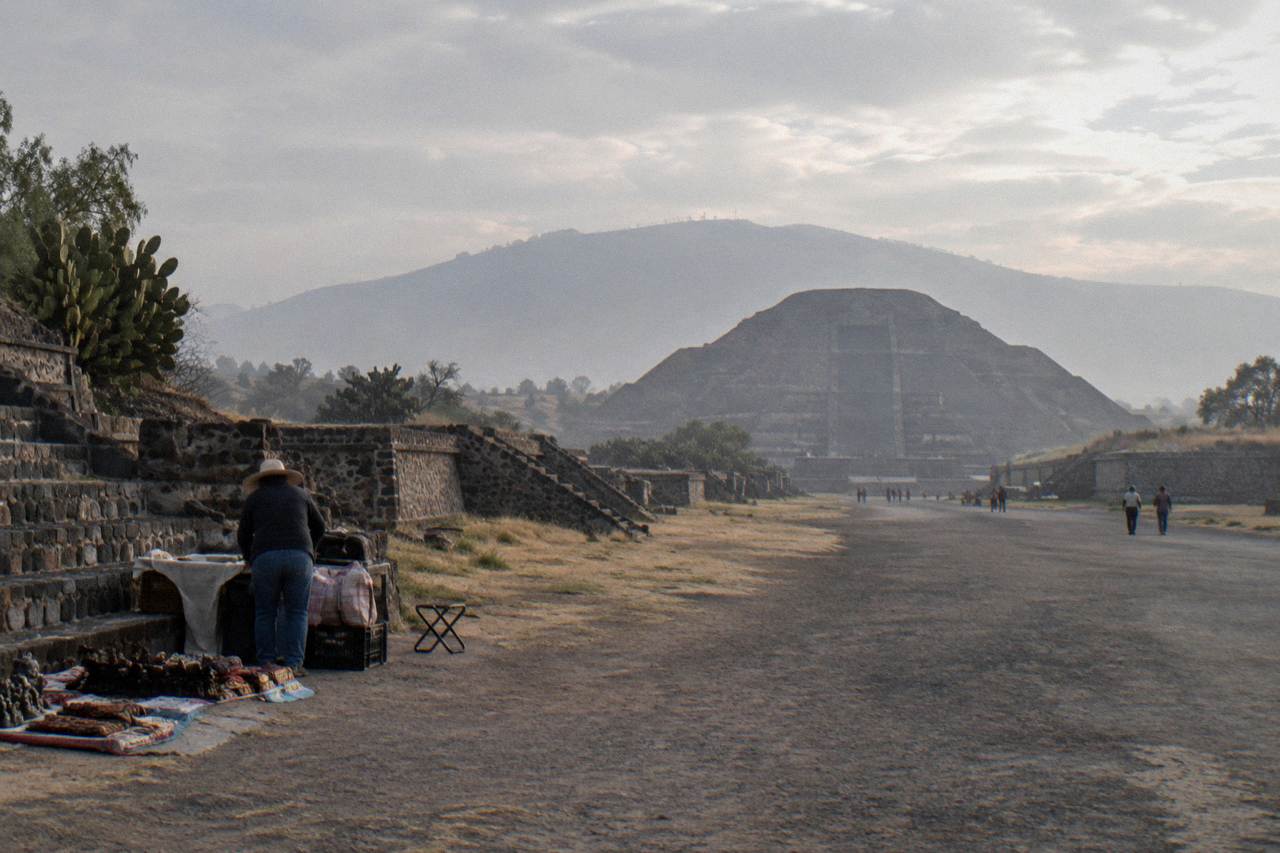
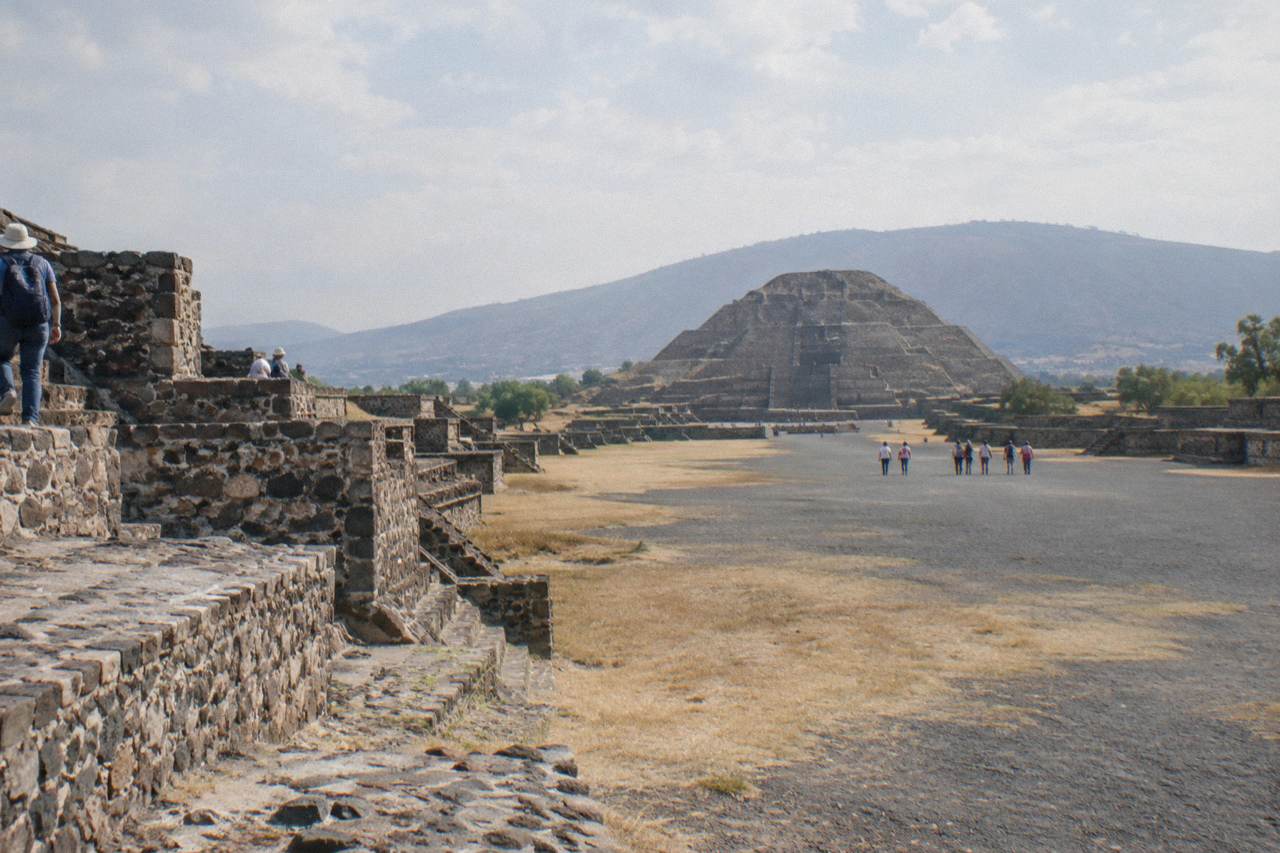
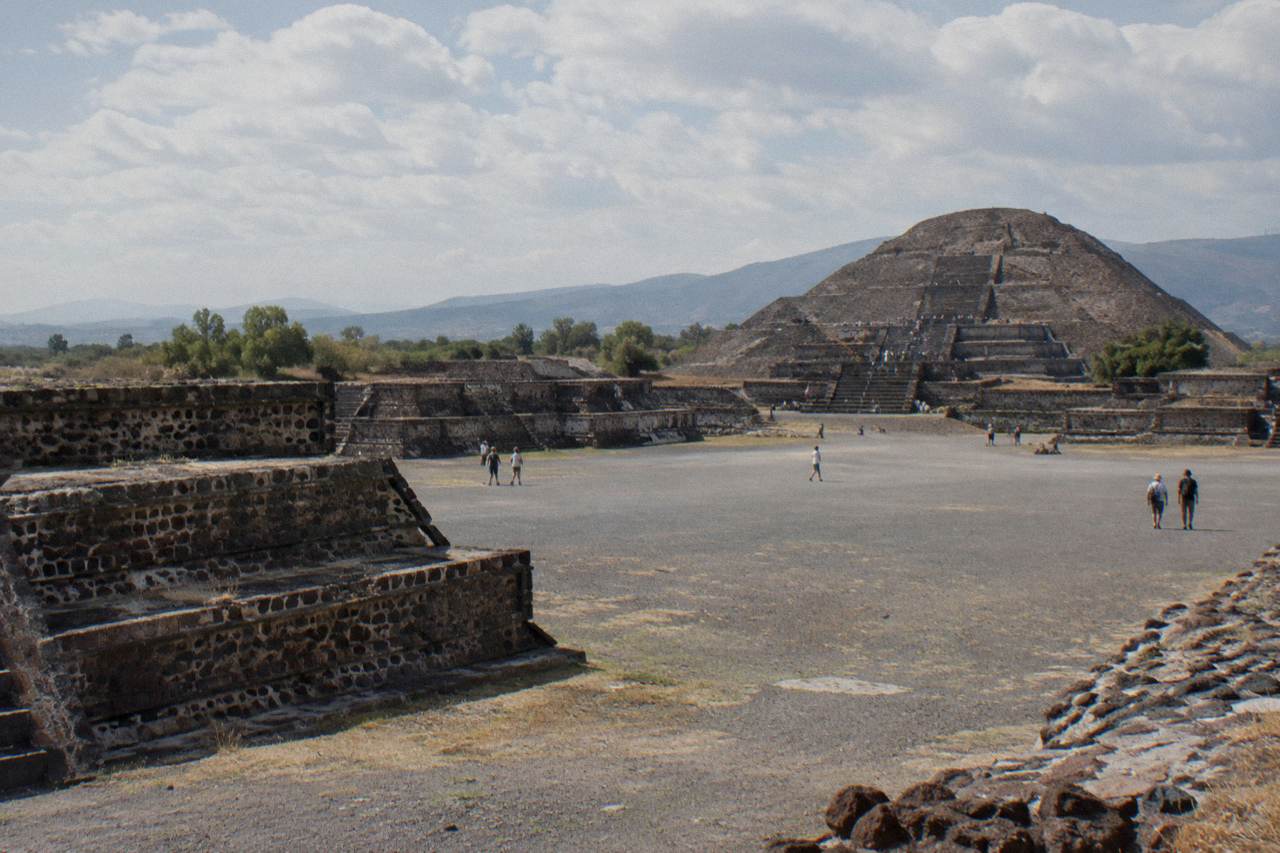
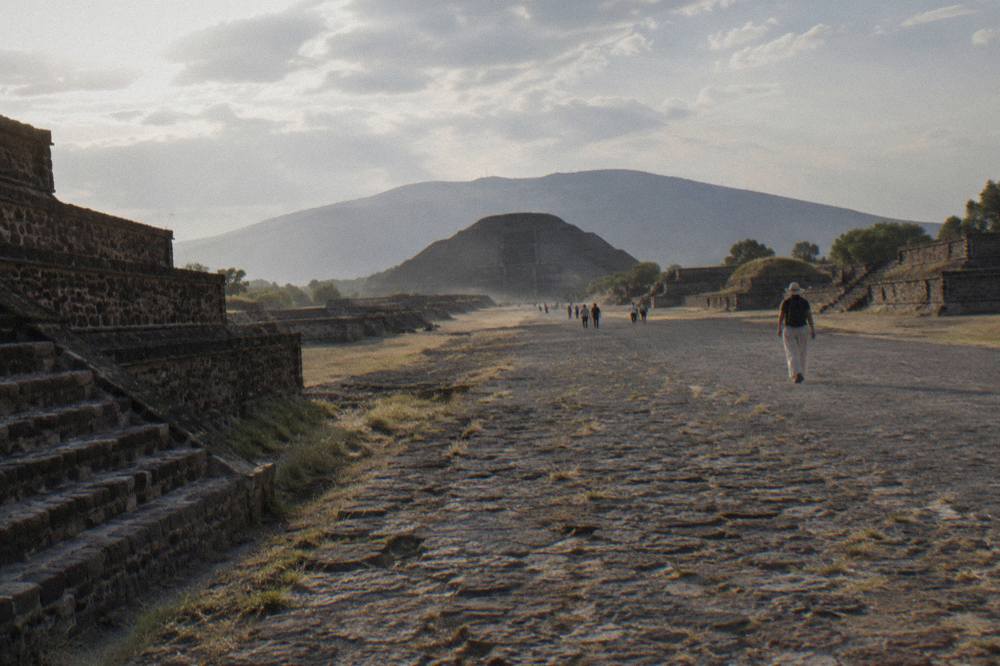
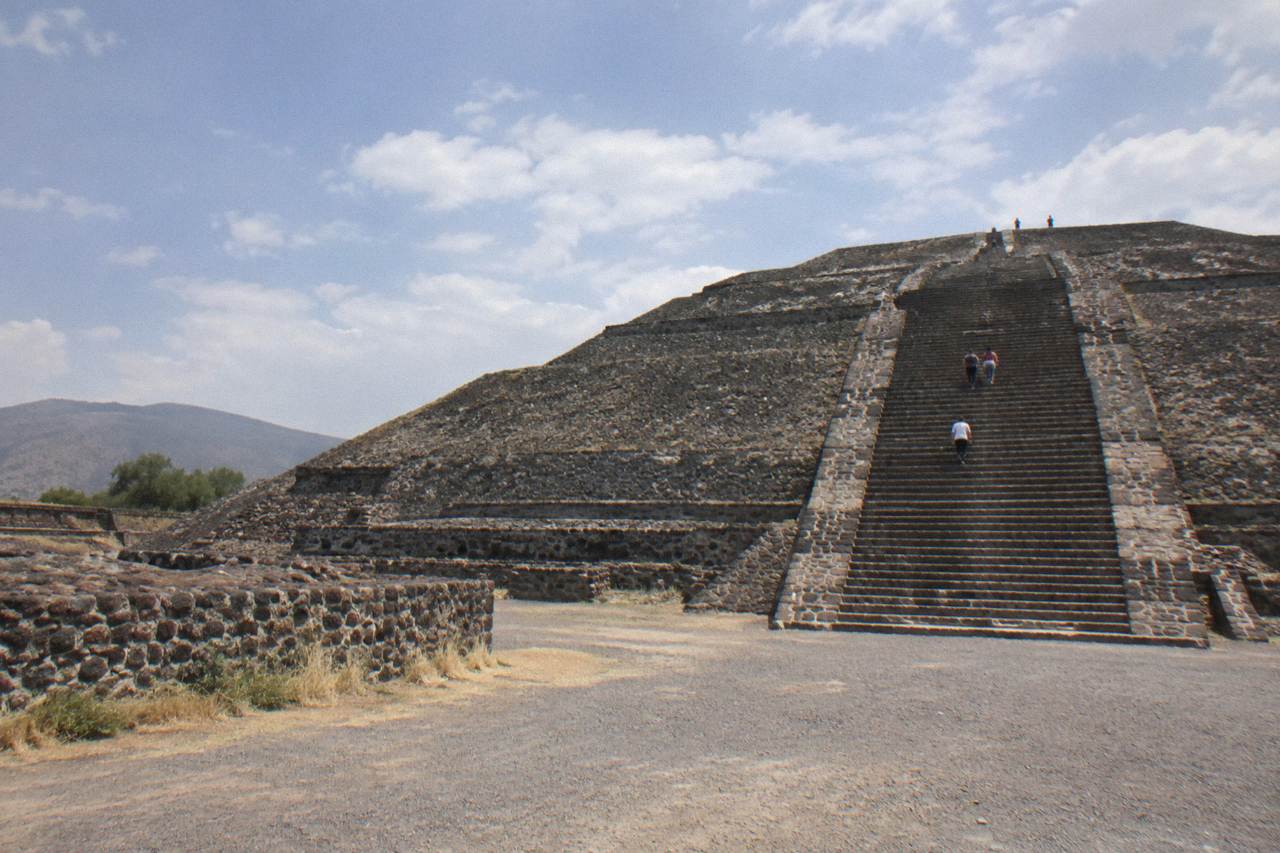
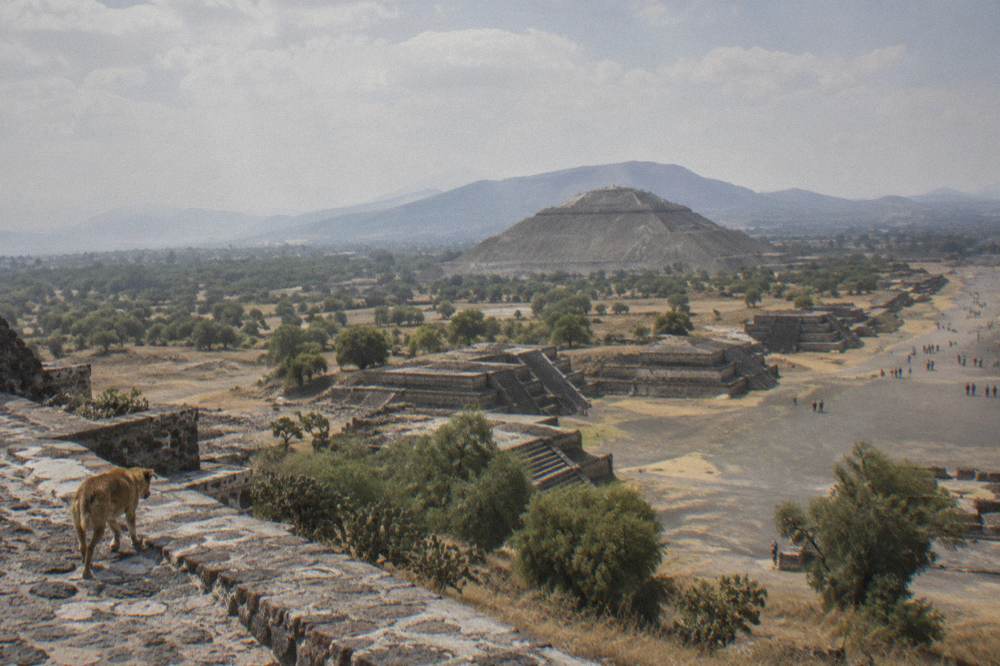
Walking the zone is the experience. The Calzada de los Muertos runs north to south between the Pyramid of the Moon and the Ciudadela complex, with the Pyramid of the Sun set along the eastern side, and the scale is the point: this was one of the largest cities in the ancient Americas, and the avenue lets you feel that in a way no museum case can. Entry, once you are inside, is self-guided unless you arrange a guide separately.
What the free rule does not do is bundle anything. There is no included guide service, no included transport from Mexico City, and no included access to anything beyond the zone itself. The INAH Sunday scheme is an entry-fee waiver, nothing more. That is still meaningful for a site of this size, but it should be planned as exactly that and nothing wider.
A useful contrast inside the city: some free-entry regimes really are open to everyone. The Museo Soumaya, all of its sites, is free every open day to all visitors, and the Museo Jumex is free every open day too, with both closing on their stated weekly day. If your goal is genuinely free museum time as a tourist, those are the regimes that deliver it, and they sit in the Chapultepec and Reforma corridor rather than an hour out of town.
The practical takeaway: if you are a Mexican national or a foreign resident with ID, Sunday is your free day at Teotihuacan, and it is also the free day at the Castillo de Chapultepec and the Museo Nacional de Antropología if you build a Sunday around INAH sites. If you are neither, the free part of Teotihuacan is limited to the views from outside the ticketed zone and the town around it, which is pleasant but is not the site.
What Do You Still Have To Pay For?
Tourists pay for entry to the archaeological zone on every day it is open, and all visitors pay for transport to the site regardless of status. Food, water and any guided service inside the zone are separate costs. No part of the INAH Sunday rule touches transport, food or guides, so even the audience that qualifies for free entry still carries a real per-person cost to reach Teotihuacan.
Transport is the cost people underestimate. Teotihuacan is outside Mexico City, and whether you take a bus from the north of the city, a tour operator's transport or a private driver, that round trip is the second-largest line in the day after entry. The site is large, sun-exposed and walkable, so water and food either come from the vendors around the zone at their prices or come with you.
This site's data does not carry a verified figure for the Teotihuacan entry ticket or for the transport options, so none is printed here. What can be said from the official sources is the pattern: at other INAH sites, tourists pay a stated MXN figure, MXN 210 at the Castillo de Chapultepec and MXN 155 at Tlatelolco, and Teotihuacan follows the same paid-for-tourists structure with its own price on the official channel. Treat any third-party number you find as unconfirmed until it matches the live official source.
The clean way to see the split:
| Cost item | Free or paid | Who it applies to |
|---|---|---|
| Zone entry, Sunday | Free | Mexicans and foreign residents with ID only |
| Zone entry, other days | Paid | Everyone |
| Zone entry, Sunday, tourists | Paid | Foreign visitors without resident ID |
| Transport from Mexico City | Paid | Everyone |
| Food and water at the site | Paid | Everyone |
| Guided service inside the zone | Paid | Everyone, optional |
Compare that with a genuinely free day in the city itself. The Zócalo, the Alameda Central and the Bosque de Chapultepec's open areas cost nothing to walk, the free walking tours are pay what you want with an independent local guide, and the Soumaya and Jumex museums charge nothing on open days. A realistic plan splits the week: paid day at Teotihuacan, free days anchored on walks and open plazas inside the city.
When Is The Free Option Available?
The free option at Teotihuacan is Sundays only, under the INAH scheme, and it is available to Mexicans and foreign residents with ID. The zone is open daily, Monday to Sunday, so the free window is a single day each week, and it is the same day that draws the largest local share of visitors, since INAH Sunday entry applies only to Mexicans and foreign residents with ID. Tourists are paid-entry every day the site is open.
Sundays at INAH sites are a deliberate cultural policy, not a quiet discount, and the audience restriction is part of the design. For a Mexican family or a foreign resident of Mexico City, Sunday is the day the pyramids, the Castillo de Chapultepec and the anthropology museum all open free. For a visitor on a short trip, the practical reading is simpler: plan Teotihuacan for any day of the week, buy the ticket, and use Sundays for the museums whose free Sunday is genuinely open to everyone. Other pages covering the same trip are gathered on Free Things To Do In Mexico City.
That distinction matters, because the two regimes get merged constantly. The Museo Tamayo is free on Sundays for all visitors, MXN 95 on other days, closed Mondays. The Palacio de Bellas Artes is MXN 95 with Sunday free for everyone, tickets at the box office only. The Museo de Arte Moderno is Sunday free for everyone. Against those, MUNAL's Sunday free is for Mexican nationals and foreign residents with ID, not tourists, the same shape of rule as INAH's. Sunday planning in this city means checking which regime each building runs, not assuming one rule covers all of them.
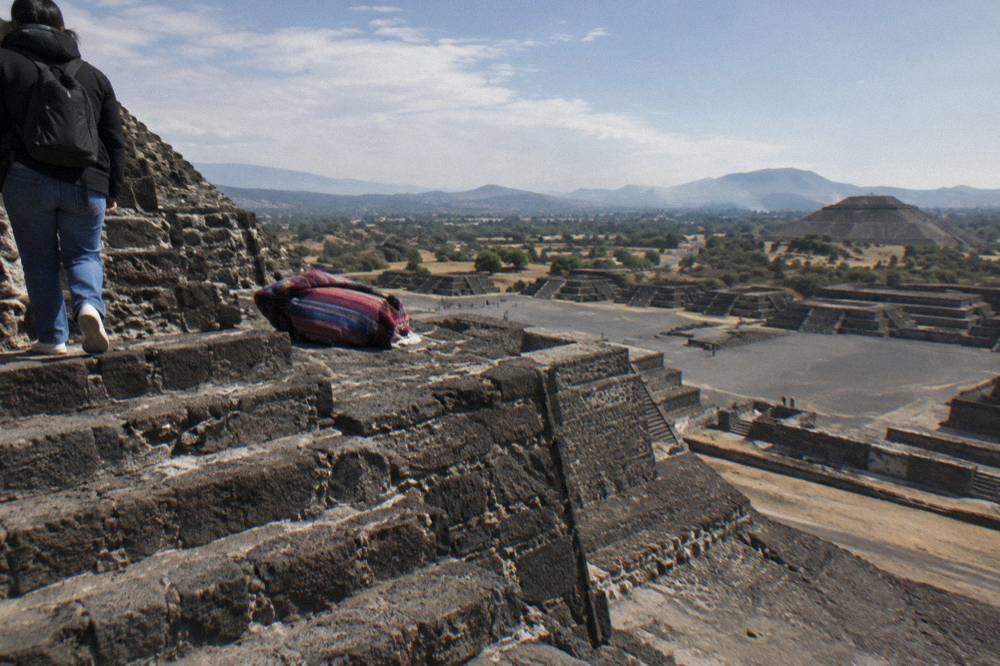
Monday visits work here: the archaeological zone opens daily. INAH museums close Mondays, but Teotihuacan opens daily. Arriving on a Monday works too, since the archaeological zone is open daily, so a trip out of the city is never wasted on a closed gate. The same Monday closure applies to the Jumex, the Frida Kahlo museum and the INAH museums, so keep Mondays for open plazas, markets and the pay-what-you-want walks that run regardless.
For seasonal context, note that major cultural programming in the city runs on its own calendar: the 2026 Day of the Dead edition brought the Gran Desfile down Paseo de la Reforma to the Zócalo on 31 October and the Ofrenda Monumental in the Zócalo from 29 October to 2 November, per the official visitor guide at mexicocity.cdmx.gob.mx. Nothing is announced for 2027 yet; expect similar dates in late October and early November. Teotihuacan itself sees its own Day of the Dead activity, but no confirmed 2027 dates exist to print.
Where Does The Free Visit Start?
Entry to the archaeological zone runs through its ticketed gates along the site's perimeter, with the main approach from the town of San Juan Teotihuacan beside the site. For the Sunday-free audience, the free entry begins at those same gates on presentation of qualifying ID. There is no separate free entrance, no side gate and no viewing route inside that bypasses the ticket check.
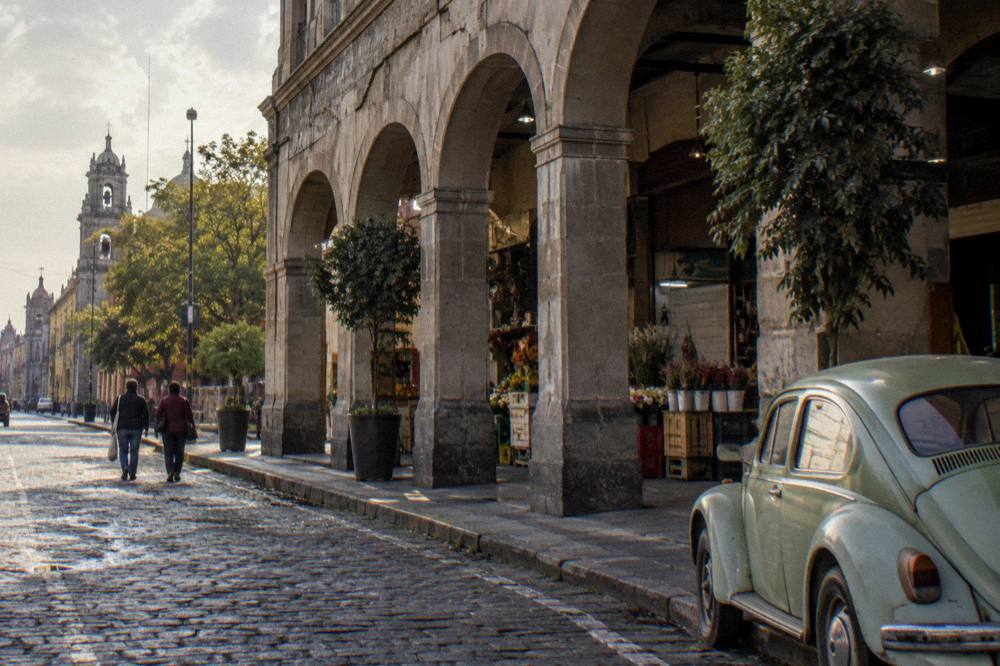
The zone is fenced and gated, and the gates are where the entry rule is applied. Qualifying visitors on a Sunday show ID at the gate and walk in; everyone else buys at the gate. That means the one thing worth arriving with, beyond water and sun protection, is the right document if you believe you qualify, because the gate is where the policy is tested, not later.
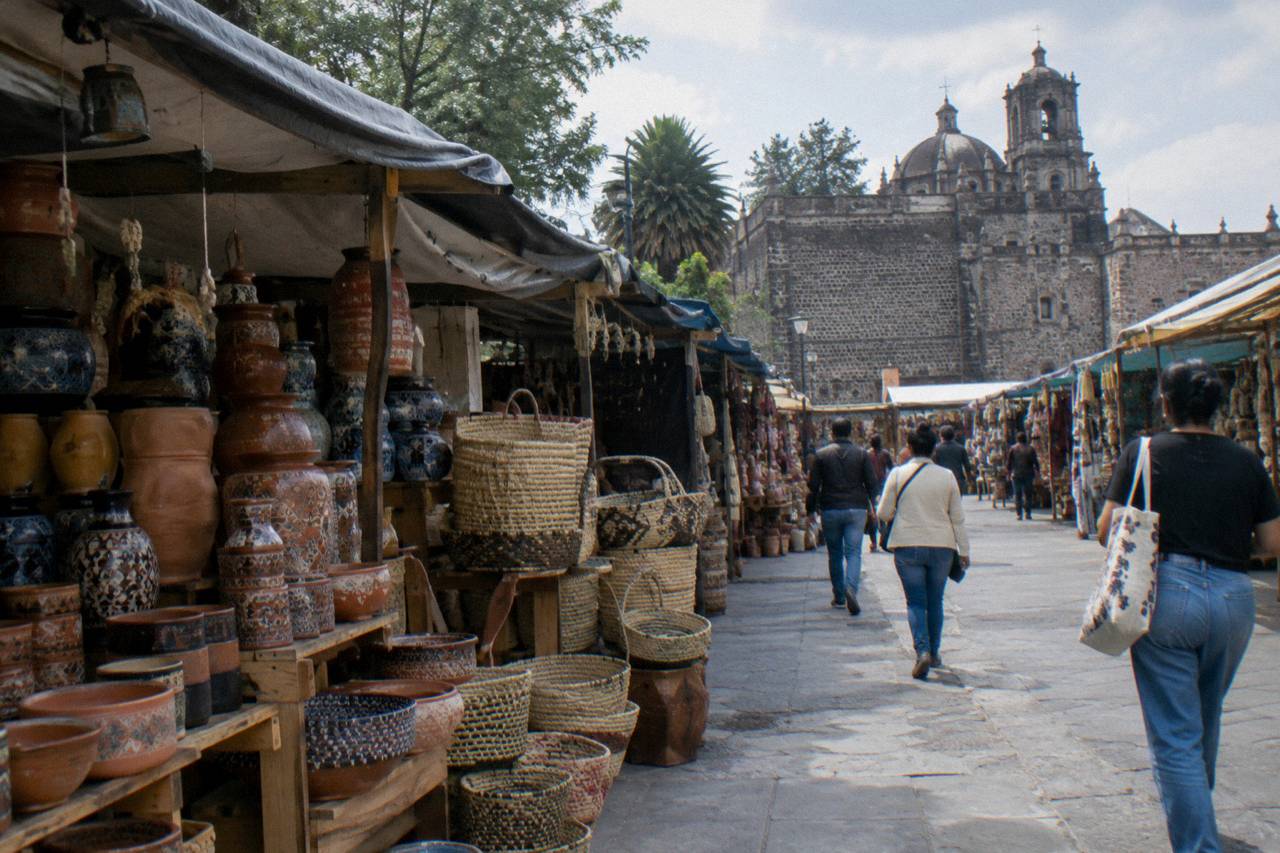
Around the gates sits the town, and the town is walkable and costs nothing to wander. Restaurants, craft stalls and the streets of San Juan Teotihuacan are ordinary public space, so the fringes of the trip are free in the way any Mexican town is free. What the town cannot give you is the pyramids; the monuments are inside the ticketed perimeter, and no public street reproduces the Calzada de los Muertos.
That same free-fringe, paid-core pattern repeats across the region, and recognizing it makes planning faster. The Torre Latinoamericana's street level is free while the mirador is paid. The Monumento a la Revolución's plaza is free while its mirador is ticketed. The Plaza de las Tres Culturas is free while the Tlatelolco archaeological zone is paid, MXN 155 for tourists. The Xochimilco embarcaderos are free to walk while a trajinera boat ride is paid. Teotihuacan is the largest instance of the pattern, not an exception to it.
One caution on transport specifics: no reliable bus routes, lines or stations for the trip out are stated here, so none are given. Confirm the current connections with the official transport sources before travel, since works and closures change seasonally and no verified schedule is carried in this data.
Which Free Walking Tours Cover This?
No pay-what-you-want walking tour in this site's directory covers Teotihuacan; the 24 walks here all run inside Mexico City, from meeting points in the Centro Histórico, Coyoacán, Roma, Condesa, Chapultepec and outlying neighbourhoods. For the pyramids, guiding is bought separately at the site. What the free walks cover brilliantly is the city context, the Aztec capital and its layers, before or after your paid day at the zone.
The walks closest in spirit are the ones that deal with the pre-Hispanic city. The Two-and-a-Half-Half Introduction, run by Kactus on GuruWalk, meets at Plaza de la Constitución, Zócalo, runs 2 hours 30 minutes in English and Spanish, and carries 4.82 out of 5 across 4,138 GuruWalk reviews, the deepest review pool in the directory. It is pay what you want like every walk here, and it orients you in the exact square where Tenochtitlan's ceremonial center stood, the counterweight to Teotihuacan's.
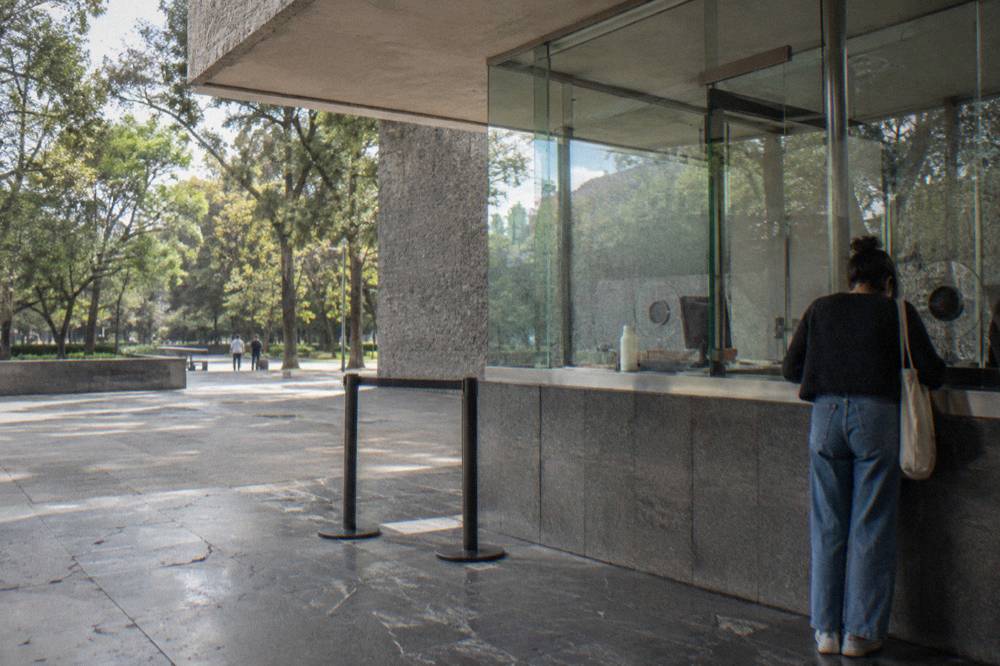
The Estación Historic Center Walk, also on GuruWalk, meets at the Metropolitan Cathedral, Zócalo, runs 2 hours and holds 4.83 out of 5 across 2,838 GuruWalk reviews in English and Spanish. Between them and the Historian-led walk in the trio above, the Centro Histórico is the best-covered free territory in the city.
Every walk listed on this site runs on GuruWalk or, for a small set, freetour.com, operated by independent local guides; this site neither operates nor is affiliated with GuruWalk. That is worth restating here because Teotihuacan searches surface plenty of "free tour" offers that are actually paid tours with transport bundled, a different product from a pay-what-you-want city walk. Read what a listing actually includes before assuming the model transfers.
For the museum that explains everything you will see at the pyramids, the Museo Nacional de Antropología in Chapultepec holds the Teotihuacan halls, and its entry runs on the same INAH regime discussed above: Sunday free for Mexicans and foreign residents with ID, paid otherwise, closed Mondays. Pairing the museum with the site is the classic sequence, and both halves carry the same entry rule.
Mistakes That Trip People Up At Teotihuacan
The recurring mistakes are assuming the INAH Sunday rule applies to tourists, expecting a Monday closure when Teotihuacan is open daily, budgeting the ticket but not the transport, and treating third-party price figures as current. Each of these is avoidable with the two settled facts, Sunday free is for Mexicans and foreign residents with ID, and the site is open daily, Mondays included, plus one habit: checking the live official source before committing money.
The Sunday assumption is the expensive one in reputation terms. Visitors read "free on Sundays" in a listicle, arrive at the gate with no ID that qualifies, and pay anyway, now irritated. The rule's audience restriction is not fine print; it is the rule. The same trap catches people at MUNAL, whose Sunday free is also for nationals and residents, while the Tamayo, Bellas Artes and the Museo de Arte Moderno genuinely do open free to everyone on Sundays. Know which list your target is on.
The Monday mistake is a myth: the trip is long, and the zone is open daily, Mondays included. Mondays still work: Teotihuacan is open daily, along with the Zócalo, the Alameda Central, the markets, and the pay-what-you-want walks. The final planning mistake is printing a peso figure from memory; prices move, and this site prints only figures carried in its own data, which for Teotihuacan means the structure without a number. The how much does a free day in Mexico City cost breakdown carries the settled figures that do exist for the city itself.
Before the pyramids, most travellers want the city decoded first, and the walks below are the ones that do it well, all pay what you want.
Common Questions On This Topic
Is Teotihuacan Free To Visit?
Not for most international visitors. The only free entry is the INAH Sunday scheme, which covers Mexicans and foreign residents with valid ID. Foreign tourists pay for entry on Sundays and every other day, and the zone is open daily.
Is Teotihuacan free on Sundays for tourists?
No. The INAH Sunday free-entry scheme covers Mexican nationals and foreign residents with ID. Tourists pay the standard entry on Sundays as on every other day the site is open.
What day is Teotihuacan closed?
Teotihuacan is open daily. Only the INAH museums, such as the Museo Nacional de Antropología, the Castillo de Chapultepec and the Templo Mayor museum, close on Mondays. Plan Teotihuacan for Tuesday through Sunday.
How much is entry to Teotihuacan?
This site's data does not carry a confirmed peso figure for Teotihuacan, so no number is printed. The structure is settled: paid for tourists, free on Sundays for Mexicans and foreign residents with ID. Check the live official price before budgeting.
Are there free walking tours at Teotihuacan?
None in this directory. The 24 pay-what-you-want walks here all run inside Mexico City. Guiding at Teotihuacan is bought separately at the site, and listings that bundle transport are paid tours, not free walks.
What can I do free instead around Teotihuacan?
The town of San Juan Teotihuacan beside the site is free to wander, with restaurants and craft stalls, but the monuments sit inside the ticketed perimeter. The genuinely free experiences are back in Mexico City: the plazas, the markets, and the pay-what-you-want walking tours.