Is Palacio Nacional Free To Enter?
The entry rules for Palacio Nacional in Mexico City are not settled on any official page. Here is what is known, what the conflict is, and how to plan around it.
In Short
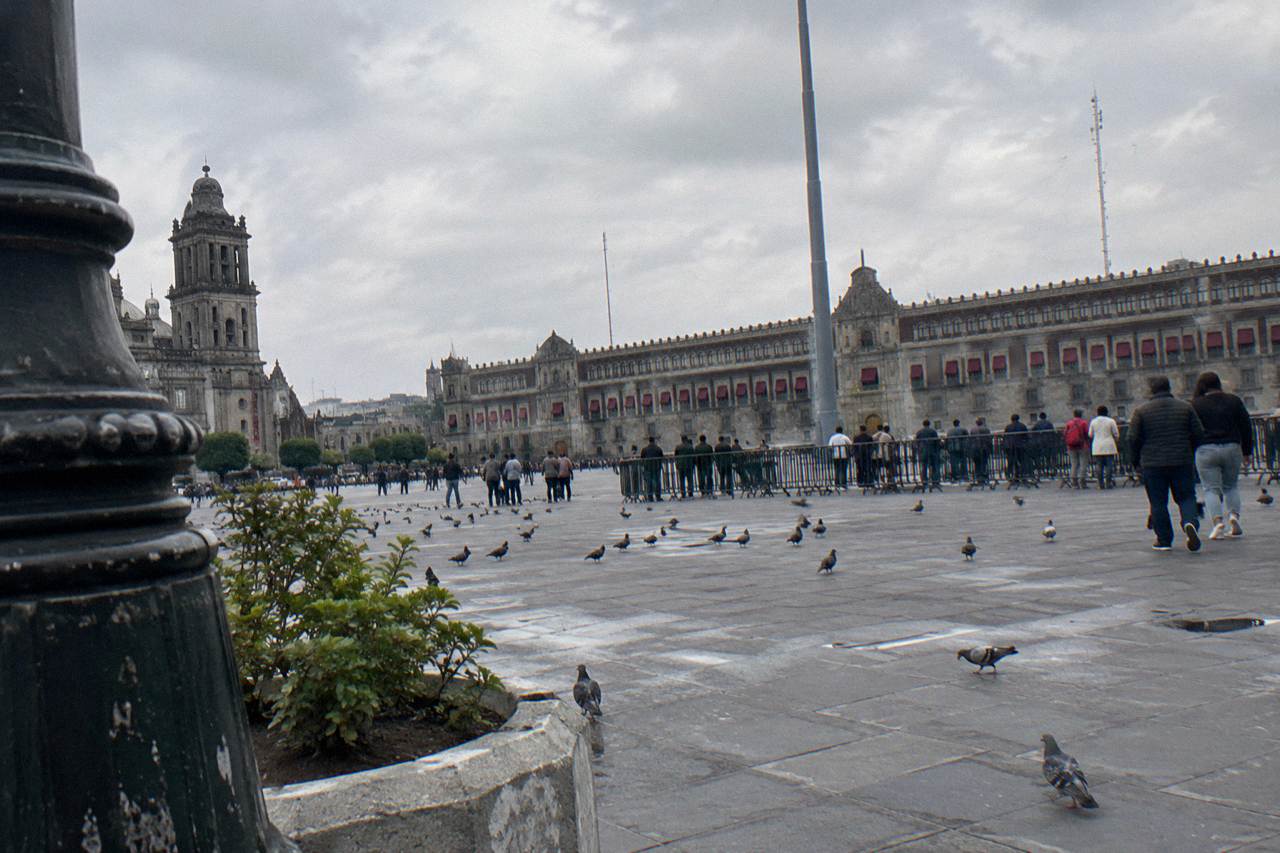
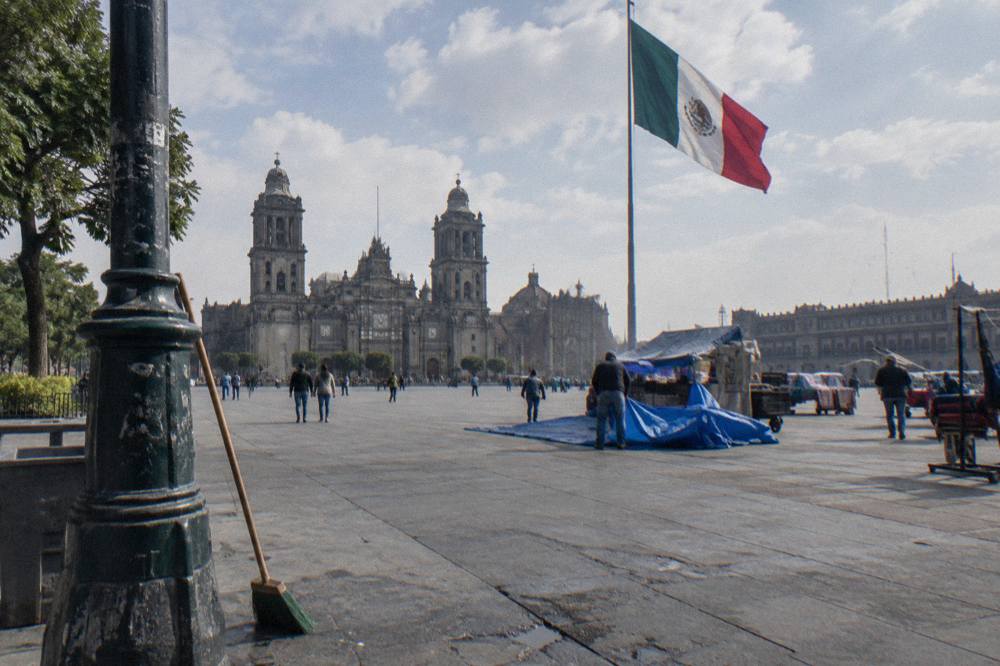
There is no published, settled answer. The INAH primary page describes guided visits with prior registration, while a secondary source describes free walk-in entry with photo ID, and the two conflict. Until an official page states one rule plainly, treat Palacio Nacional entry as unconfirmed. The Zócalo itself, the plaza it faces, is free open public space, and the murals inside are the reason most people ask.
Is Palacio Nacional Free To Enter?
No honest source currently answers this with a single rule. The INAH page for the building describes guided visits that need prior registration, Tuesday to Sunday, meeting at the Museo de Arte SHCP on Moneda street, with a circuit that includes the Diego Rivera murals. A secondary source instead describes free walk-in entry with photo ID. Those two accounts cannot both be the operative rule, and neither page prices the visit.
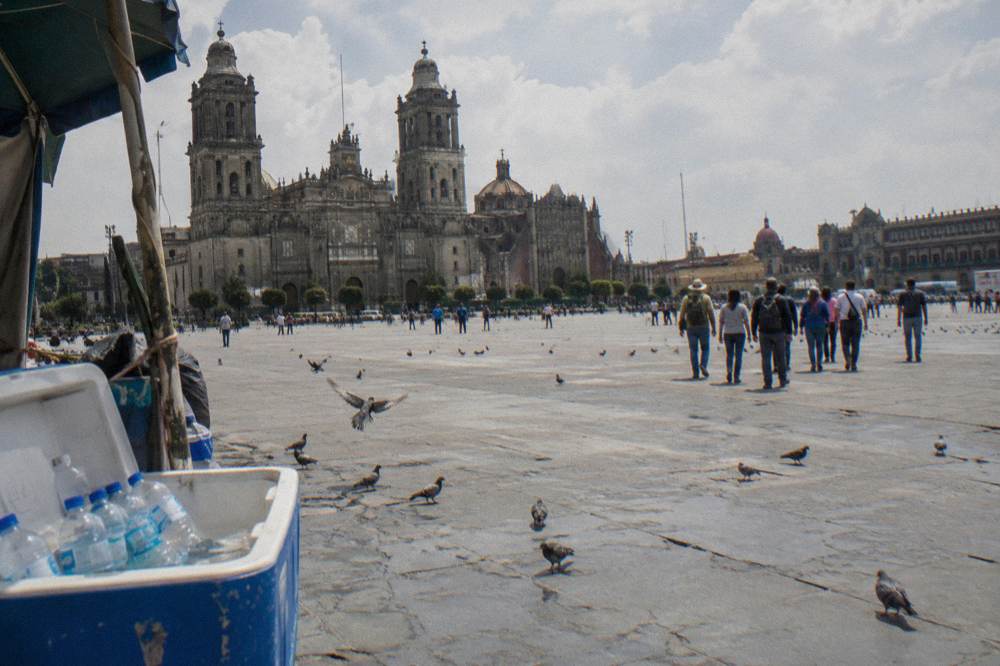
That conflict is the whole story, and which is why no entry price, free day or closing day is given for the building. Where official pages disagree, a travel article that picks the answer it prefers is not summarizing, it is guessing. The Zócalo that Palacio Nacional faces, Plaza de la Constitución, is a different matter entirely: it is open public space, free to walk at any hour the plaza itself is open, and it is the stage for the city's biggest public events, including the Ofrenda Monumental each late October.
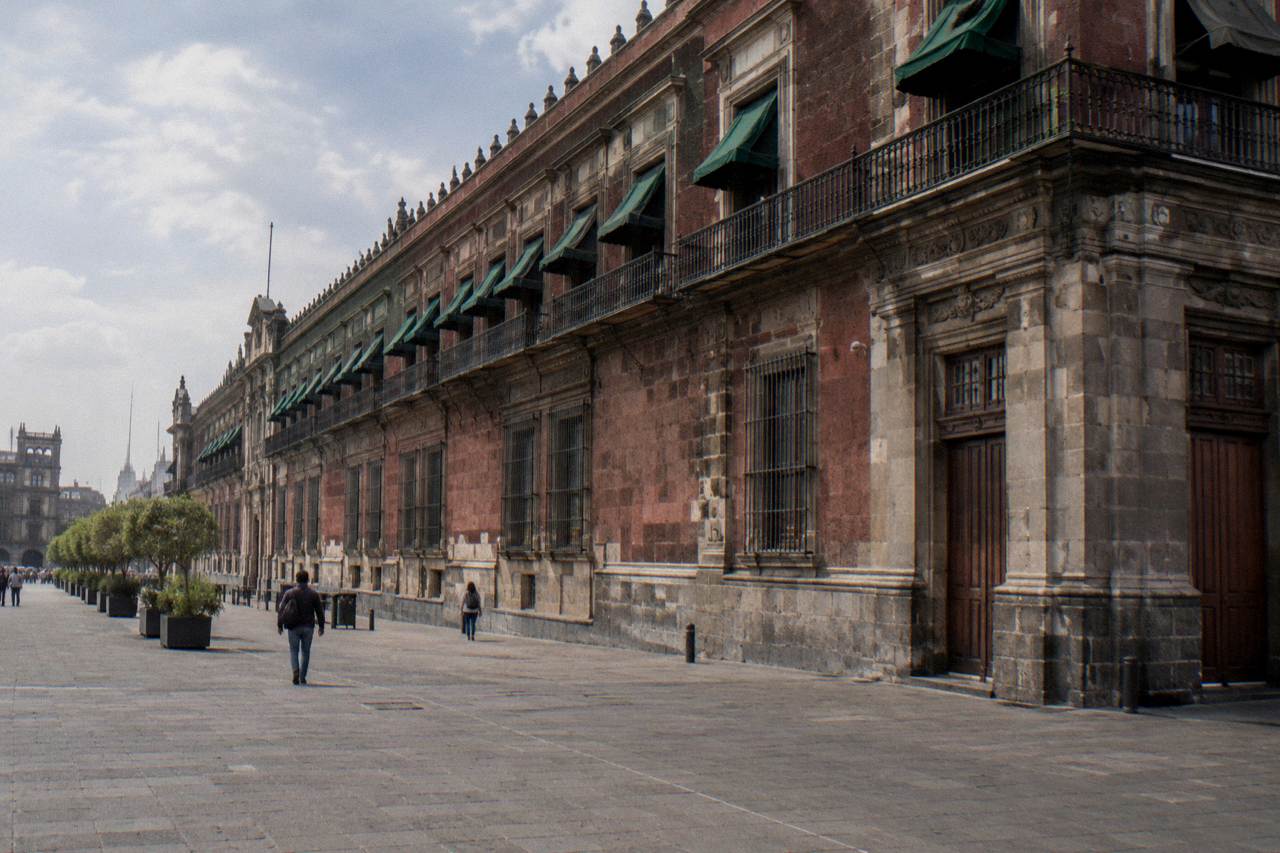
The building matters because of what is inside it. The Diego Rivera murals, above all the epic cycle on the main stairway, are among the most important works of Mexican muralism, and they sit inside a working seat of government rather than a conventional museum. That is also part of why access is complicated. A palace that houses federal offices does not run on museum logic: it runs on security logic, registration windows and guided circuits, which is exactly the kind of arrangement that produces conflicting instructions across official pages. The pay-what-you-want Two-and-a-Half-Hour Introduction walk meets at Plaza de la Constitución, Zócalo.
The practical read for a visitor is this. Plan your Zócalo day around the things that are unambiguously free or unambiguously priced, and treat entry to the palace itself as something you confirm before you travel. The block around the plaza is dense with options: the Museo Nacional de Arte (MUNAL) a few streets north, the Templo Mayor zone beside the cathedral, and the Antiguo Colegio de San Ildefonso off Moneda. A day built from those is a full day whether or not the palace opens its doors to you.
This question sits inside a wider planning problem, and it is the one this site exists for. The free layer of Mexico City is genuinely large, 24 pay-what-you-want walking tours are listed across this directory, alongside a museum scene where whole institutions, such as the Museo Soumaya and the Museo Jumex, are free every day they are open. If you want the broad map, start with the free things guide for the whole city and work inward.
Quick Facts
| Question | What the sources say |
|---|---|
| Is the Zócalo free? | Yes, open public space |
| Is Palacio Nacional entry settled? | No, official pages conflict |
| What does INAH's page describe? | Guided visits with prior registration, from the Museo de Arte SHCP on Moneda |
| What does a secondary source say? | Free walk-in with photo ID |
| Is a price published? | No |
| Is Sunday free here? | Not confirmed for this building |
What Does The Free Part Include?
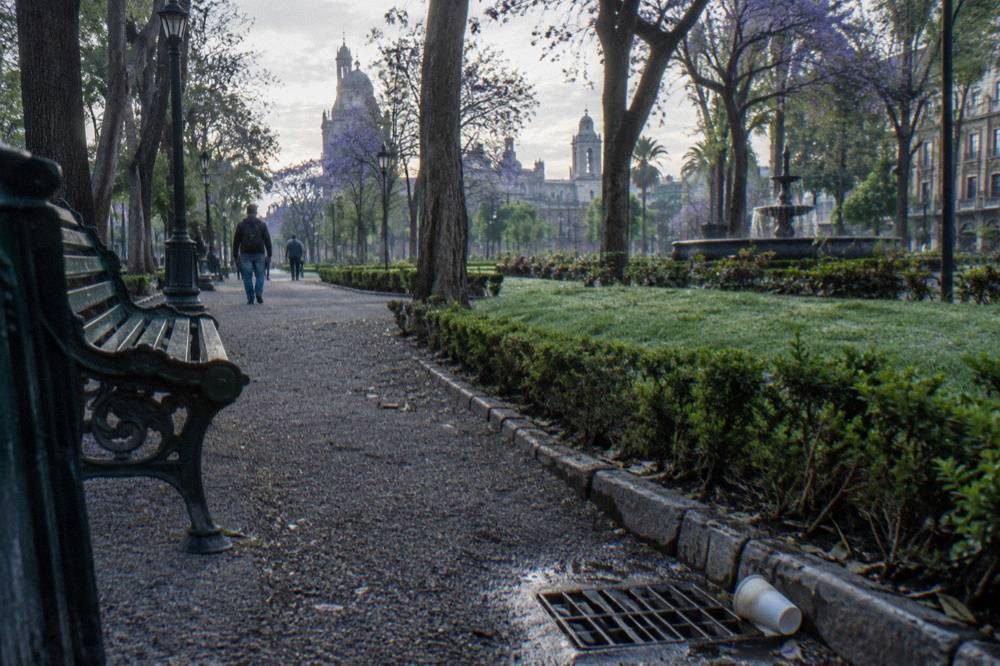
The free part is the public realm around the palace, not the palace. Plaza de la Constitución is free open space. Avenida Madero, the pedestrian street that runs west from the plaza, is free to walk. The Alameda Central park at the far end of Madero is free. None of that depends on resolving the palace's entry conflict, and together they are the reason the Zócalo works as a free morning.
The plaza itself is the biggest free stage in the country. The official visitor guide describes the Day of the Dead programming that fills it each year: an Ofrenda Monumental installed from late October into early November, plaza lighting, and community ofrendas at sites that include the Plaza de las Tres Culturas. The 2026 edition has ended, and nothing is announced for 2027, so plan on the pattern rather than a confirmed date: late October and early November is when the Zócalo dresses up. A Zócalo Christmas festival has not been confirmed for 2026.
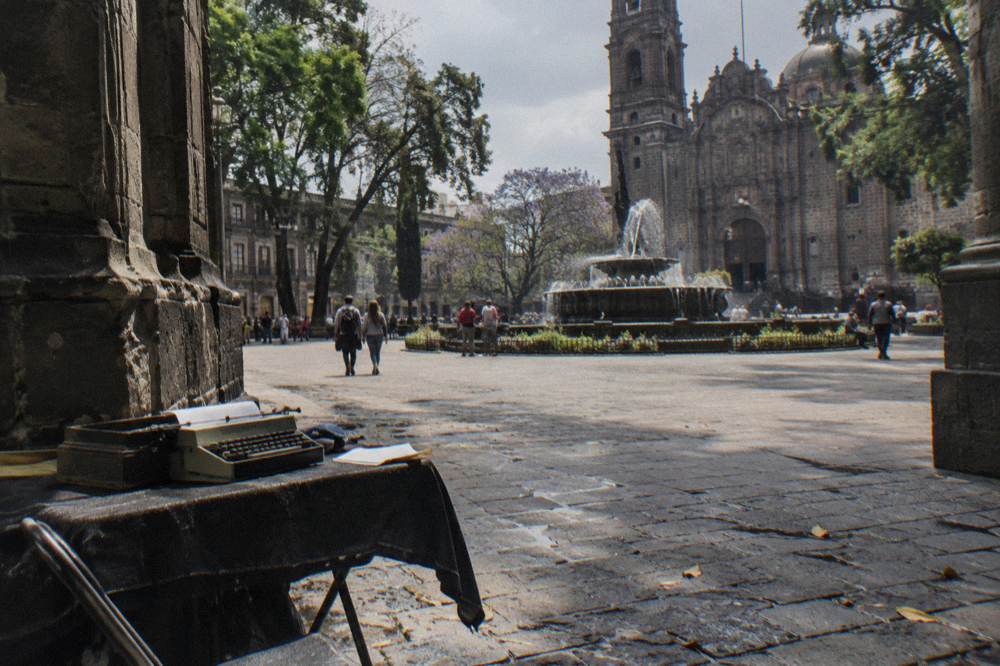
Inside that public frame, the free walk layer is what most visitors combine with a Zócalo visit. The Two-and-a-Half-Hour Introduction by Kactus, listed on GuruWalk at 4.82 out of 5 across 4,138 reviews, meets at Plaza de la Constitución, Zócalo, runs in English and Spanish for 2 hours 30 minutes, and is pay what you want. Meeting in the plaza and walking the Centro Histórico with a guide costs nothing up front, and it does not depend on the palace doors being open.
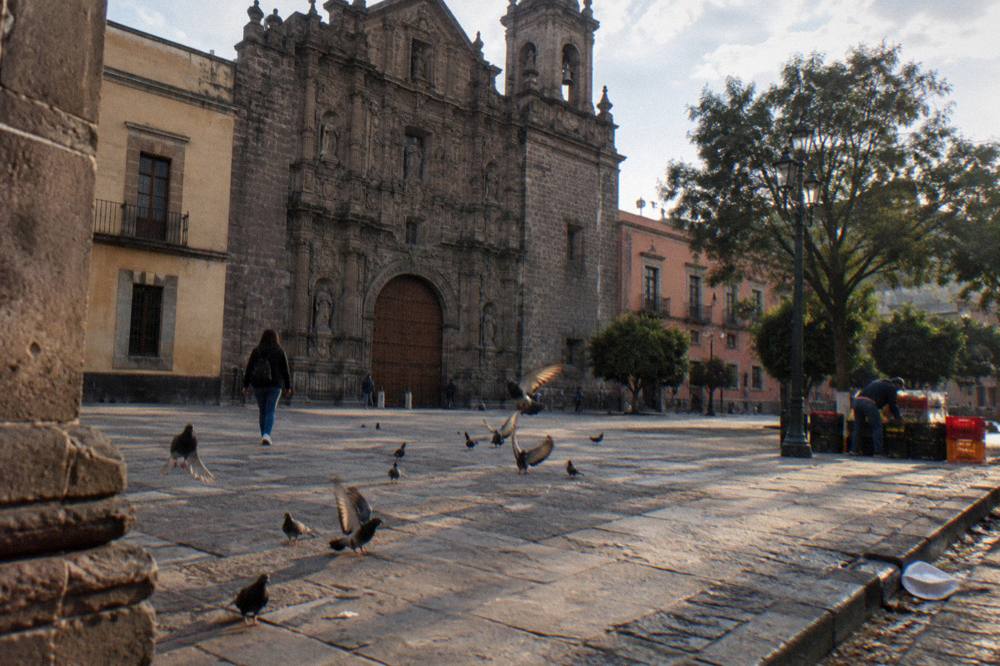
Beyond the plaza, the streets around the palace carry the free weight of the neighbourhood. Avenida Madero is pedestrian and free, the plaza de Santo Domingo a block north is open public space, and the Alameda Central at the end of the walk is the city's oldest public park and free to enter. The Zócalo guide on this site walks that whole frame in detail, including how the open spaces connect; see the Zócalo guide for the plaza-by-plaza version.
What Do You Still Have To Pay For?
The murals question is the trap: because the Diego Rivera murals inside Palacio Nacional sit behind conflicting official information, this article states no price, no free day and no hours for them. Everything nearby that is firmly priced is priced in MXN, and the figures are: Bellas Artes MXN 95 with Sunday free for everyone, the Museo Frida Kahlo MXN 320 online only, and the Templo Mayor archaeological zone under the INAH Sunday rule, which is not for tourists.
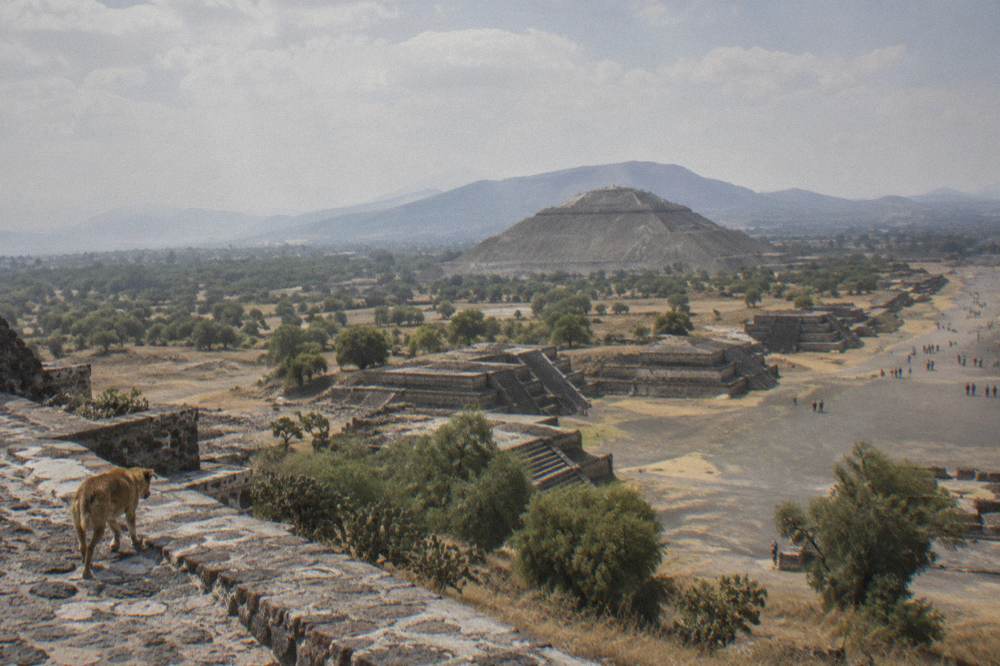
The INAH Sunday rule deserves its own sentence, because it is the most commonly garbled fact in Mexico City travel content. At INAH sites, the Museo Nacional de Antropología, the Museo del Templo Mayor, the Castillo de Chapultepec, Tlatelolco and Teotihuacan, Sunday entry is free for Mexicans and foreign residents with ID only. Tourists pay, the Castillo figure is MXN 210 and Tlatelolco is MXN 155, and the castle closes on Mondays while Tlatelolco opens daily. Any article that tells you Sunday is free at these places without saying who it is free for is selling you a line.
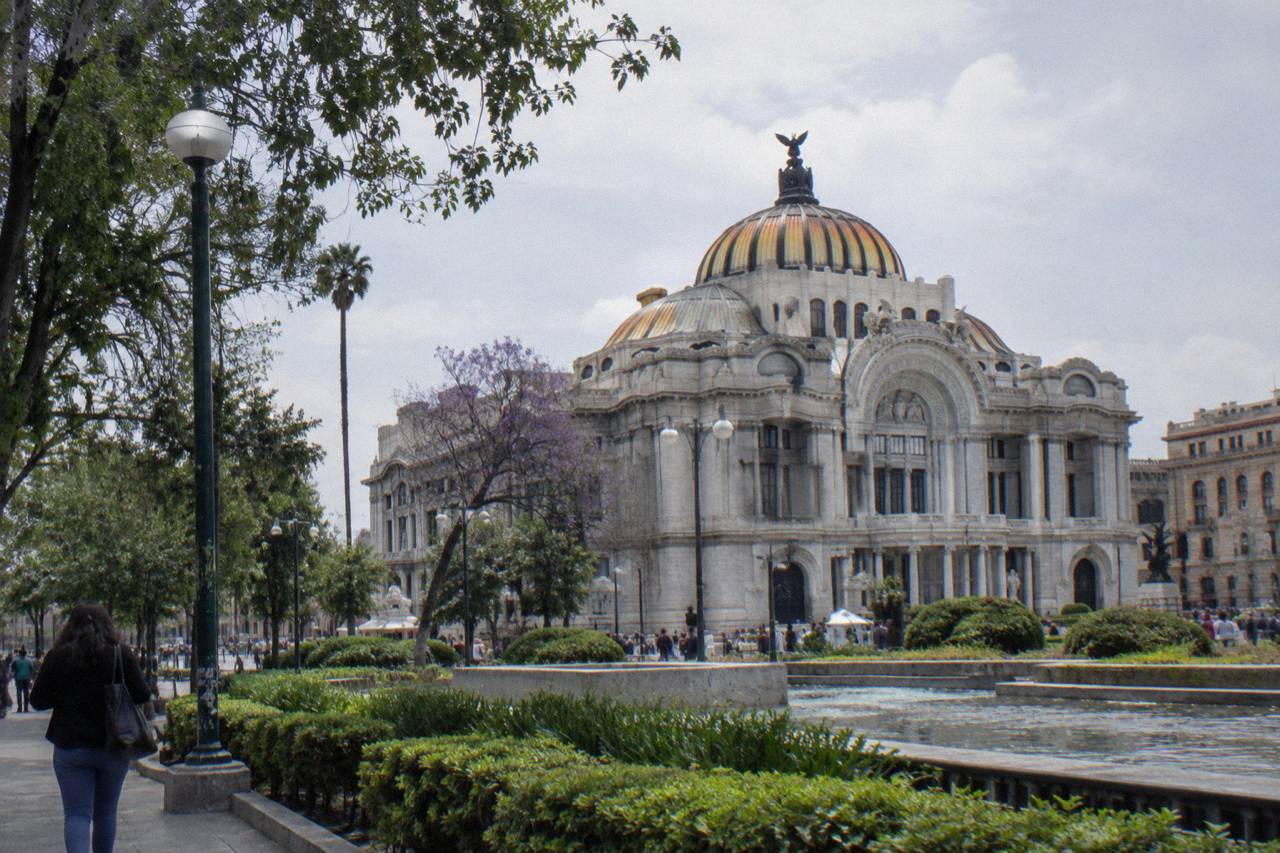
The paid museums across the city are set out below. Note the Bellas Artes detail: the Sunday free rule there is genuinely for everyone, the ticket is sold at the box office only, and there is no online booking. That makes it one of the few central institutions where a Sunday visit costs nothing at all.
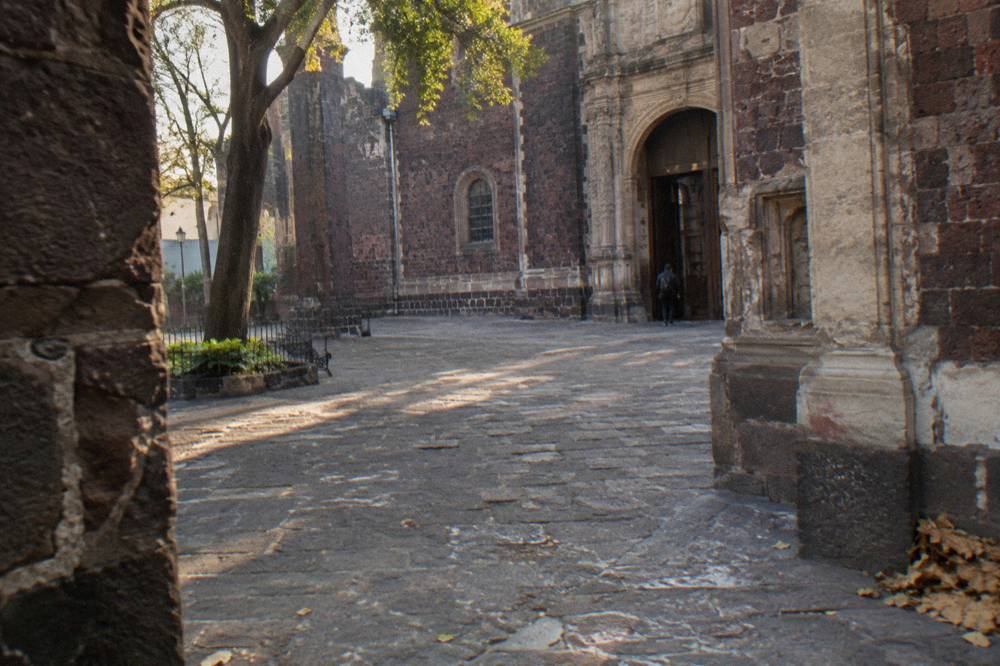
| Institution | Regime | Cost |
|---|---|---|
| Palacio de Bellas Artes | Sunday free for everyone, box office only | MXN 95 other days |
| MUNAL | Sunday free for Mexican nationals and foreign residents with ID only | MXN 95 other days |
| Museo de Arte Moderno | Sunday free for everyone | MXN 95 other days |
| Museo Tamayo | Sunday free for all | MXN 95 other days, closed Mondays |
| Museo Frida Kahlo (Casa Azul) | No free day, online tickets only | MXN 320 |
| Colegio de San Ildefonso | Sunday free | MXN 50 other days |
A pattern is worth naming, because it saves money. The free-every-day institutions, the Museo Soumaya at its sites and the Museo Jumex, are private foundations, and their free rule needs no ID and no Sunday. The Sunday-free rules split by operator: INBAL sites are generally free for everyone on Sundays, MUNAL excepted, while INAH sites restrict Sunday free entry to Mexicans and foreign residents with ID. If your itinerary is built on the foundation museums plus a Sunday at an INBAL site, you can keep the whole museum side of the trip at zero. The Museo Jumex schedule and the San Ildefonso programme both carry current exhibition dates, and both are a short walk or ride from the Zócalo.
Two nearby items stay off the priced list on purpose. The Catedral Metropolitana has no official page stating its access rules, so no split between nave and towers is printed here. Noche de Museos, the last-Wednesday evening museum event, is not free: it runs at standard or reduced prices, so it never belongs on a free list even though it is widely described that way.
When Is The Free Option Available?
For the palace itself, no schedule is confirmed: official sources conflict on how to enter, so this article states no days and no hours for the building. For everything around it, the calendar is clear. Monday is the closing day across the INAH museums and most central museums, including Jumex, Tamayo, the Frida Kahlo and Franz Mayer. Sundays split by operator, as the table above shows, and the plaza itself has no schedule at all.
Monday is the single most expensive planning mistake in this city. A visitor who arrives on a Monday finds the Castillo de Chapultepec shut, the Jumex shut, the Frida Kahlo shut, and the INAH museums shut, while the genuinely free-any-day layer, the plazas, the markets and the pay-what-you-want walks, keeps running. The Zócalo walks are not museum-dependent: they meet in the plaza and walk the streets, which is exactly why they rescue a Monday.
Seasonality around the palace follows the civic calendar. The late-October Day of the Dead window fills the plaza and the Paseo de la Reforma with installations; the official guide describes the Reforma flower festival, the light installation and the parade route for the 2026 edition, all past now. A Zócalo Christmas festival has not been confirmed for 2026. Winter brings the exhibition calendar into focus: the Museo Jumex runs shows into February 2027, San Ildefonso's UNAM exhibition runs to March 2027, and the MUNAL programme lists exhibitions to February and March 2027, so a winter visit lands in high museum season.
Where Does The Free Visit Start?
The free visit starts in the plaza, at Plaza de la Constitución. Per the walks listed here, walks in this category meet at the plaza itself, at the Metropolitan Cathedral on the same square, or at points on the streets radiating from it. No transport directions are needed: the meeting point is the address, and the rest of the Centro Histórico unfolds on foot from there.
For the palace's registered visits, the INAH page places the start at the Museo de Arte SHCP on Moneda street, a block east of the plaza. That is stated as a place only, not as a schedule: no hours or days for that arrangement are printed here. The practical consequence is that a Zócalo morning naturally puts you within two blocks of every plausible starting point, whether it is a walk meeting point on the square or the Moneda street address the registration system uses.
The Centro Histórico is compact enough that meeting points cluster. From the square, Avenida Madero runs pedestrian to the Alameda Central, Moneda runs east past San Ildefonso toward the corridors of the old city, and República de Guatemala runs north toward the Templo Mayor edge. The walks that meet in this grid cover it in about two hours each, and the pay-what-you-want model means the decision to join one carries no upfront cost.
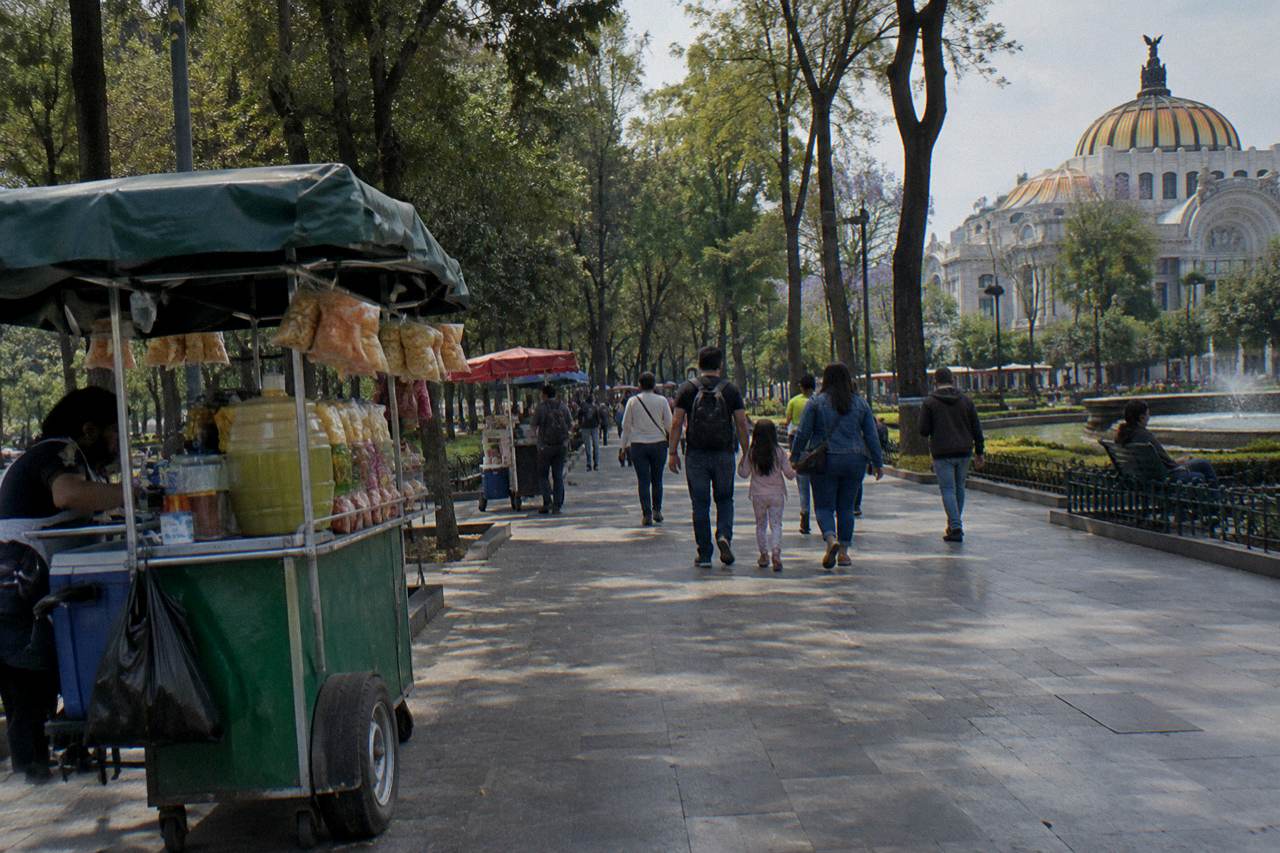
The Alameda Central, at the western end of that walk, is free public space and the natural finish line. The Bellas Artes palace faces onto it, which lets you fold the Sunday-free visit there into the same afternoon as the Zócalo, all on foot.
Which Free Walking Tours Cover This?
No walk is described here as covering, visiting or passing any landmark beyond what its own listing states. What each walk's page gives is platform, guide, meeting point, neighbourhood, rating and duration, and that is what follows. The Zócalo category on GuruWalk is anchored by walks meeting at the Plaza de la Constitución and the Metropolitan Cathedral, run by guides including Kactus, Estación and Free Tour Europe.
The Two-and-a-Half-Hour Introduction, covered above, meets at Plaza de la Constitución, Zócalo. The Estación Historic Center Walk, also on GuruWalk at 4.83 out of 5 across 2,838 reviews, meets at the Metropolitan Cathedral, Zócalo, runs 2 hours in English and Spanish, pay what you want. Historic Center With a Historian, by Free Tour Europe, meets at the same Plaza de la Constitución, runs 2 hours 15 minutes in German, English and Spanish, and rates 4.91 out of 5 across 1,360 reviews. Andares Free Walking Tour runs a History, Art and Cuisine Walk from República de Guatemala 4, 2 hours, English only, at 4.86 out of 5 across 520 reviews.
Beyond the square, the downtown selection thins into specialised walks: a legends-and-myths walk meeting next to the Torre Latinoamericana, a Spanish-and-Italian Tenochtitlan walk meeting back at the plaza, a Che Guevara history walk starting in front of the Palace of Fine Arts, and the Downtown Secrets Walk, listed on freetour.com, meeting at Teatro Hidalgo on Avenida Hidalgo, rated 9.8 out of 10 across 205 freetour.com reviews. A walk with a small review pool is presented exactly as that, never dressed up as a favourite.
What the walks do for the palace question is simple: they put a guide between you and the ambiguity. A local guide meeting in the plaza knows the current state of palace access on the day, which no article can promise, and the pay-what-you-want model means the walk itself is free to join. The deeper background on how the model works, including what it is polite to tip, is in how free walking tours work in Mexico City, and the full overview of the walks listed here is in the free walking tours guide.
| Walk | Platform | Guide | Meets at | Duration |
|---|---|---|---|---|
| Two-and-a-Half-Hour Introduction | GuruWalk | Kactus | Plaza de la Constitución, Zócalo | 2 hours 30 minutes |
| Estación Historic Center Walk | GuruWalk | Estación | Metropolitan Cathedral, Zócalo | 2 hours |
| Historic Center With a Historian | GuruWalk | Free Tour Europe | Plaza de la Constitución, Zócalo | 2 hours 15 minutes |
| History, Art and Cuisine Walk | GuruWalk | Andares Free Walking Tour | República de Guatemala 4 | 2 hours |
| Downtown Secrets Walk | freetour.com | Wro Tours | Teatro Hidalgo, Avenida Hidalgo 23 | 2 hours |
Mistakes That Trip People Up At Palacio Nacional
The three real mistakes are believing a settled entry rule exists, assuming the Sunday-free rule covers tourists, and planning a Monday museum day. The palace's access rules conflict between official sources, so any blog that states a price or a free day for it is making something up. The INAH Sunday rule is for Mexicans and foreign residents with ID. And Monday closes nearly every central museum worth naming.
The first mistake is the most common. Search results for this question return confident answers in both directions, free with ID on some pages, registered guided visits on others, and the disagreement traces straight back to the official sources themselves. A traveller who plans a fixed palace slot, then finds the registration route on the day, loses the slot. The fix is to plan the Zócalo day without the palace as its anchor, and treat palace entry as a bonus you confirm, not a booking you assume.
The second mistake generalizes the wrong Sunday rule. INAH Sunday free entry is for Mexicans and foreign residents with ID; tourists pay at INAH sites. Bellas Artes and the Museo de Arte Moderno are the friendly counter-example, free on Sunday for everyone, with the Bellas Artes ticket sold at the box office only. The Free Things To Do In Mexico City directory keeps those two families of Sunday rules separate throughout, and so should any itinerary.
The third mistake is the Monday arrival. The Castillo de Chapultepec, the Jumex, the Tamayo, the Frida Kahlo, the Franz Mayer and every INAH museum close on Mondays, so a Monday Centro day should be built on the plaza, the streets, the markets and the pay-what-you-want walks, not on museum doors. One further trap: the Templo Mayor Sunday rule is itself contested between INAH pages.
Common Questions On This Topic
Is Palacio Nacional Free To Enter?
No settled answer exists. The INAH page describes guided visits requiring prior registration, meeting at the Museo de Arte SHCP on Moneda street, while a secondary source describes free walk-in entry with photo ID. The two conflict, and no official page publishes a price, so treat entry as unconfirmed and plan the day around the plaza instead.
Can I see the Diego Rivera murals inside?
The murals are inside Palacio Nacional, and their access follows the building's conflicting entry information, so this article claims no route, price or schedule for seeing them. The INAH page describes a registered circuit that includes the murals. Mexico City's muralism story also lives in viewable places; the city murals guide maps those.
Is Sunday a free day here?
Not confirmed for the palace. Sunday free rules in Mexico City split by operator: INAH sites are free on Sundays for Mexicans and foreign residents with ID only, while Bellas Artes and the Museo de Arte Moderno are free on Sunday for everyone, and MUNAL restricts Sunday free entry to nationals and residents with ID. The palace sits on no confirmed Sunday rule at all.
Is the Zócalo itself free?
Yes. Plaza de la Constitución is open public space with no entry charge, and it is the meeting point for the downtown pay-what-you-want walks, including the Two-and-a-Half-Hour Introduction by Kactus, 4.82 out of 5 across 4,138 GuruWalk reviews. The surrounding pedestrian streets and the Alameda Central are equally free to walk.
Do free walking tours go inside the palace?
No walk's listing promises interior access, so no walk here can be described as entering or covering the palace. What is known is meeting points: downtown walks meet at the Plaza de la Constitución, the Metropolitan Cathedral, Avenida Hidalgo and nearby streets. The walk model is free, pay what you want, and a guide in the plaza knows the current access situation on the day.
Which Mexico City Museums Are Genuinely Free?
The Museo Soumaya and the Museo Jumex are free every open day, with Jumex closed Mondays. On Sundays, Bellas Artes and the Museo de Arte Moderno are free for everyone, the Colegio de San Ildefonso is free, and the MUAC is free Thursday evenings from 18:00 to 20:00. The Museo Frida Kahlo has no free day and sells tickets online only at MXN 320.