Are There Free Concerts In Mexico City?
Yes, but the free part is usually the venue or the event window, not a festival pass. Here is what is actually free in Mexico City, what still costs money, and how to plan around it.
In Short
Yes, but rarely in the form people imagine. The genuinely free music in Mexico City sits in open public spaces like the Zócalo and Alameda Central, in the Complejo Cultural Los Pinos, which is free to enter, and inside museums during their free windows, such as the MUAC on Thursday evenings. Big-ticket concerts and arena shows, including lucha libre at Arena México, stay paid. The skill is knowing which venue is free, for whom, and on which day.
This question sits inside the wider picture covered by the free things to do guide, which collects every genuinely free attraction in the city in one place.
Quick Facts
| Question | Answer |
|---|---|
| Are there free concerts? | Yes: public plazas, free cultural complexes and museum free windows host music at no charge |
| What is free right now | Complejo Cultural Los Pinos, free to enter; Zócalo and Alameda Central as open public spaces |
| What still costs money | Arena México events, Noche de Museos evenings, most museum tickets outside free windows |
| Key free windows | MUAC Thursday 18:00 to 20:00; Museo del Chopo Wednesday; Bellas Artes Sunday for everyone |
| Closing days to know | Jumex, Tamayo, Frida Kahlo and every INAH museum close Mondays |
| Nearest free walk platform | GuruWalk and freetour.com, pay what you want |
Are There Free Concerts In Mexico City?
Yes, there are, but the free part is almost never a ticket to a named touring act. Free music in Mexico City lives in three places: open public spaces such as the Zócalo and Alameda Central, which cost nothing to stand in; the Complejo Cultural Los Pinos, which is free to enter; and museums during their free windows, most notably the MUAC on Thursday evenings and the Museo del Chopo on Wednesdays. Anything inside a commercial venue, an arena or a ticketed evening programme stays paid, and assuming otherwise is the fastest way to waste an evening.
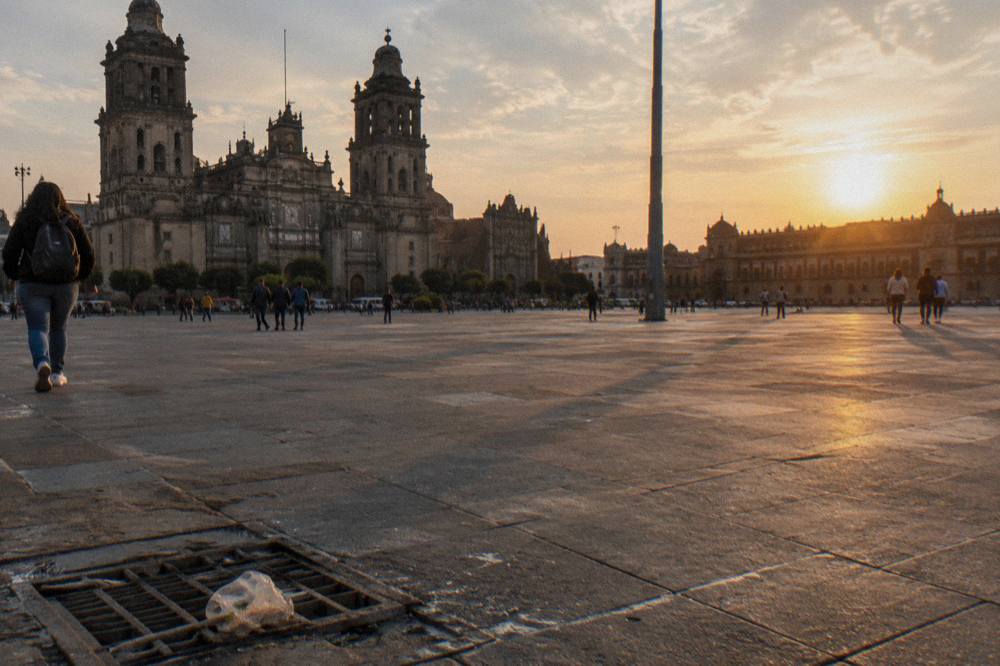
The distinction that matters is between a free place and a free event. The Zócalo is free as an open public space, no conditions, and it hosts large public programming through the year. The Day of the Dead edition that just ran is a good template: the official visitor guide listed the Gran Desfile on Saturday 31 October at 14:00 along Paseo de la Reforma toward the Zócalo, the Ofrenda Monumental from 29 October to 2 November, and community ofrendas at multiple sites, all open to the public at no charge. That edition has ended and nothing is announced for 2027, but similar public programming tends to land in late October and early November.
The Complejo Cultural Los Pinos is the strongest year-round answer. It is free to enter, full stop, per its own official page, and as a former presidential compound turned cultural complex it runs a rolling programme of exhibitions and performances in a park setting. What is on during your visit depends on the calendar, so treat it as a free venue with a changing schedule rather than a guaranteed concert hall.
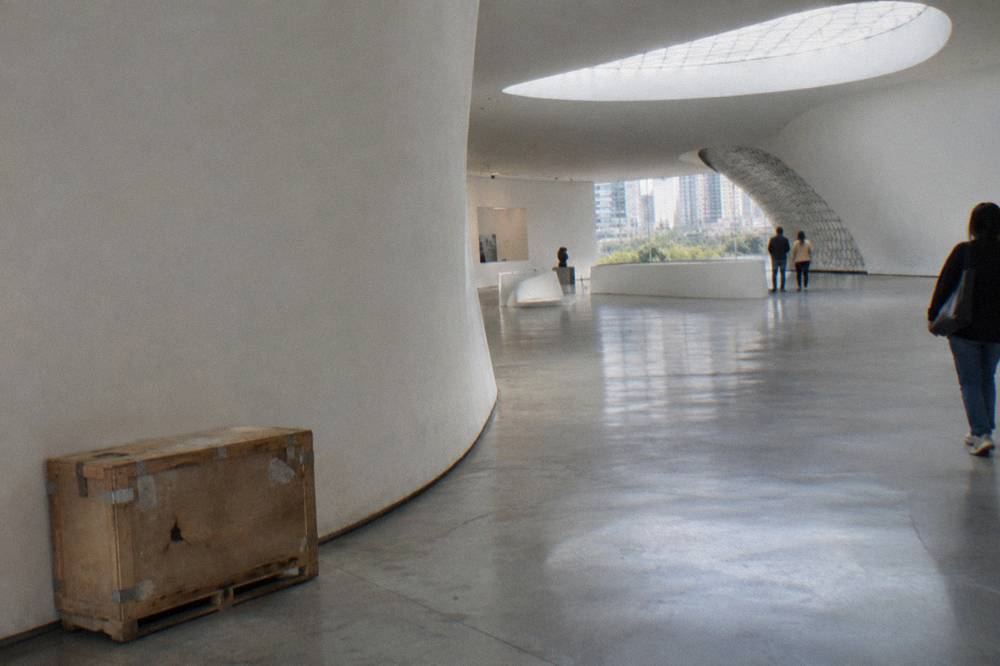
Museums are the other reliable route, with a catch: the free window is usually narrow. The MUAC, the contemporary art museum on the Ciudad Universitaria campus, is free on Thursdays from 18:00 to 20:00 and charges MXN 60 otherwise, and its programme has included live events such as "Desde el umbral", running to 29 November 2026. The Museo del Chopo, open Wednesday to Sunday from 11:00 to 18:00, is free on Wednesdays. Neither is a concert venue every day, but both price their live programming inside their free windows when it happens.
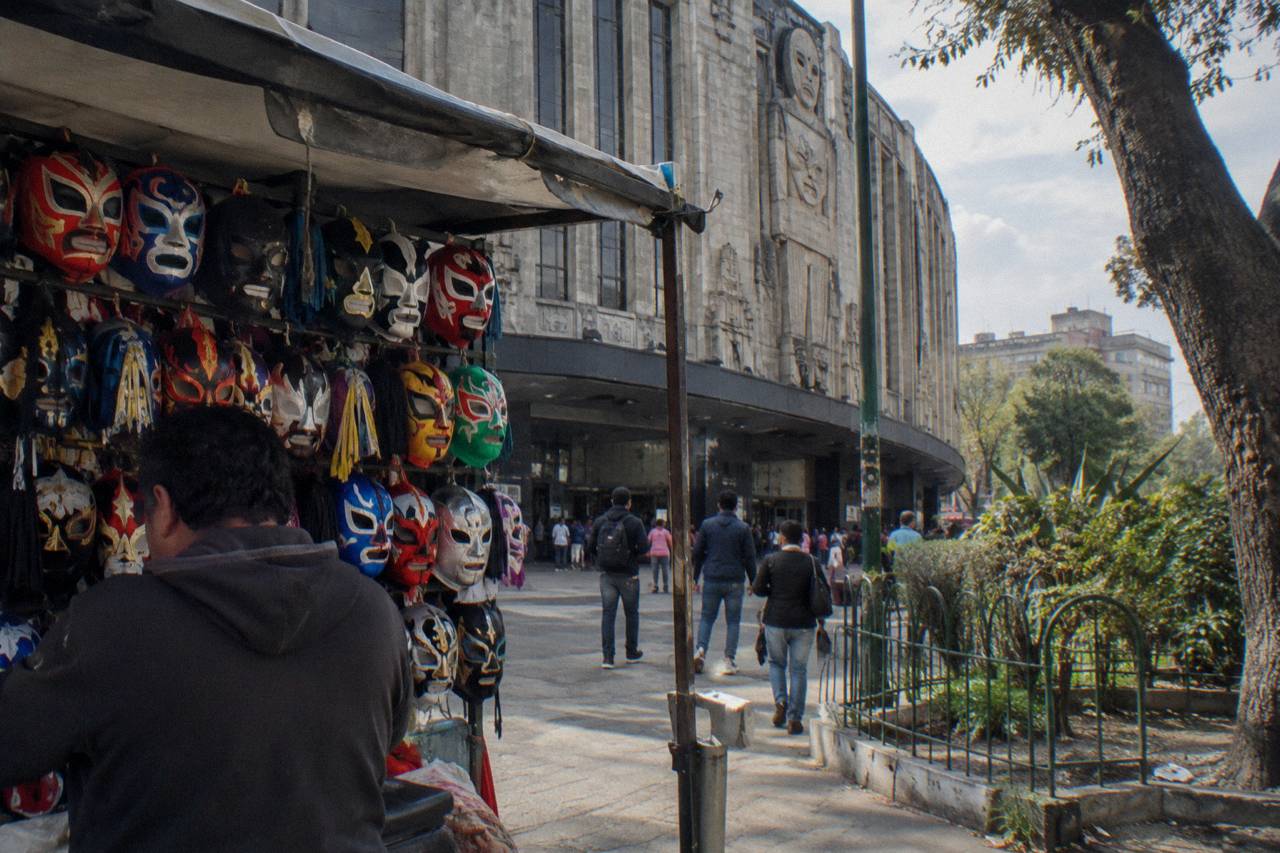
A word on what "free" does not cover. Noche de Museos, the monthly evening museum event, is not free: it runs at standard or reduced prices. Arena México, home of lucha libre, is a paid, ticketed event. And the INAH museums, including the Museo Nacional de Antropología and the Castillo de Chapultepec, are free on Sundays only for Mexicans and foreign residents with ID, never for tourists, who pay the standard MXN 210 at the castle.
What Does The Free Part Include?
The free part includes standing in the public space itself, entry to venues that are free every open day, and admission during a museum's stated free window. At the Complejo Cultural Los Pinos, free means the whole complex. At the MUAC it means Thursday 18:00 to 20:00. At Bellas Artes it means Sunday, for everyone, with the ticket collected at the box office only. What it never includes is a seat guarantee, a price break on a paid show, or Sunday entry at INAH museums for foreign tourists.
Breaking that down venue by venue helps, because the schemes do not merge. The Museo Soumaya, at all of its sites including Plaza Carso, is free to everyone every open day, with Plaza Loreto closed Tuesdays. The Museo Jumex is likewise free every day it opens, closed Mondays, with winter shows including Richard Prince to 7 February 2027 and "El don de lenguas" from 27 November 2026. These are galleries rather than concert halls, but their event programming, when it runs, sits inside that free entry.
The Sunday and weekday windows are the next tier, and each has its own rule about who qualifies:
| Venue | Free window | Who it covers | Otherwise |
|---|---|---|---|
| MUAC | Thursday 18:00 to 20:00 | Everyone | MXN 60 |
| Museo del Chopo | Wednesday | Everyone | Paid other open days |
| Palacio de Bellas Artes | Sunday | Everyone | MXN 95, box office only, no online booking |
| Museo Tamayo | Sunday | Everyone | MXN 95 |
| MUNAL | Sunday | Mexican nationals and foreign residents with ID only | MXN 95 |
| INAH museums | Sunday | Mexicans and foreign residents with ID only | MXN 210 at Chapultepec Castle, MXN 155 at Tlatelolco |
The Museo Tamayo needs one careful note: its own banner said the museum was closed for installation until 9 November 2026, opening 10:00 to 18:00 Tuesday to Sunday after that, so treat its schedule as the museum states it. Its Sunday-free-for-all rule and MXN 95 price on other days are what the official pages say.
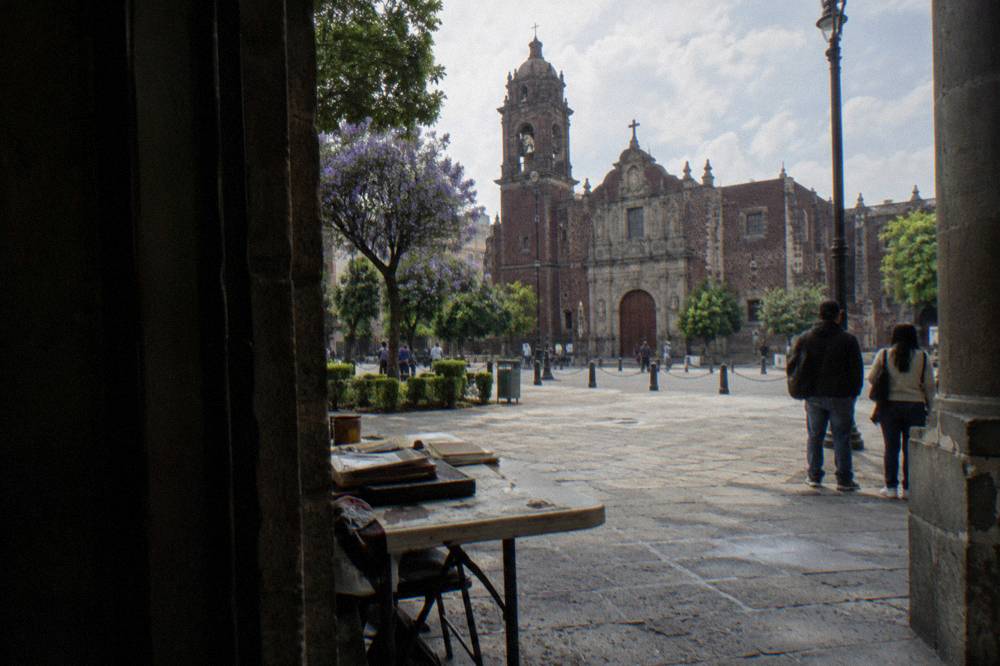
Public spaces round out the free tier and need no window at all. The Zócalo, Alameda Central, Avenida Madero, Plaza Garibaldi and Plaza de Santo Domingo are all open public spaces with no entry charge and no stated hours, and Plaza Garibaldi in particular is the historic home of live mariachi, where the music plays in the open square itself rather than inside a ticketed hall. Whether a band is playing when you arrive depends on the evening, not on a schedule this site can promise.
What Do You Still Have To Pay For?
You still pay for anything inside a commercial venue: lucha libre at Arena México is a ticketed event, Noche de Museos runs at standard or reduced prices rather than free, the Frida Kahlo museum is MXN 320 with online-only tickets, and the miradores at the Torre Latinoamericana and the Monumento a la Revolución are paid even though their street levels and plaza are free. Noche de Museos deserves the emphasis, because its name misleads: the Memoria y Tolerancia museum, for instance, has charged MXN 60 for that evening.
The Frida Kahlo museum is the most common budget surprise in this conversation, because people bundle it into a Coyoacán music-and-art day. It is a paid museum, MXN 320, sold online only with no in-person tickets, closed Mondays, also closed 1 January 2027, and closing at 14:00 on 24 and 31 December. The ticket does include the Museo Anahuacalli, but there is no free day, and it stays a paid attraction, not a free one, if you pass it on a day of exploring Coyoacán.
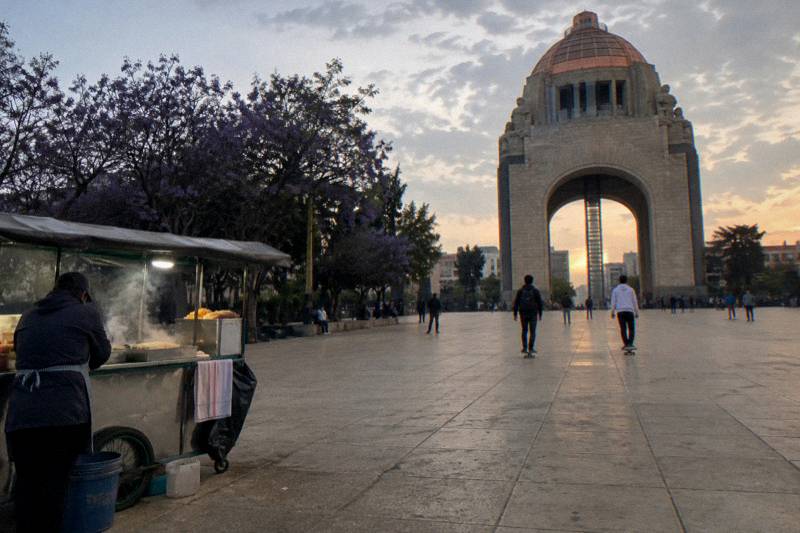
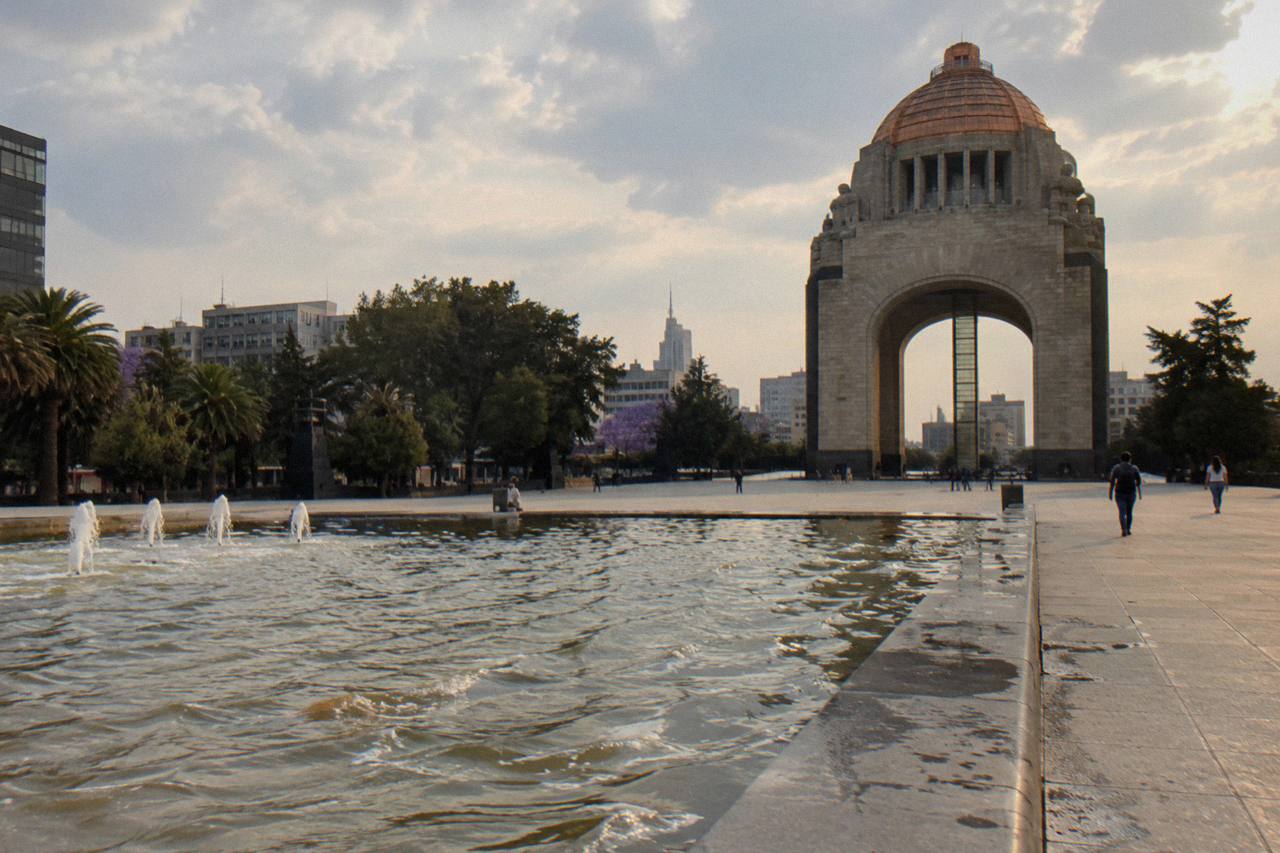
The free-place, paid-part splits repeat across the city and each one needs both facts stated together. Chapultepec forest is free to enter while the Castillo de Chapultepec costs MXN 210 and closes Mondays. The Torre Latinoamericana street level is free while the mirador above is paid. The Plaza de la República is free while the Monumento a la Revolución mirador is ticketed. At Xochimilco the embarcaderos are free to walk while a trajinera boat ride is paid. In every case the view from the ground costs nothing and the elevated or interior experience does not.
Two more names to keep off the free list: the Museo Franz Mayer, which charges MXN 130 and has no free day found, and the Museo Memoria y Tolerancia at MXN 160. The Antiguo Colegio de San Ildefonso sits in between, free on Sundays and MXN 50 otherwise, currently with a UNAM exhibition running from October 2026 to March 2027.
If a free day of music-adjacent culture is the goal, the honest budget is not zero for incidentals. Ecobici day passes, useful for moving between plazas and museums, run MXN 134 for one day, MXN 263 for three days and MXN 441 for seven days. The walking tours discussed below cost nothing upfront, with the guide paid by tip at the end.
When Is The Free Option Available?
The free windows cluster on Thursdays, Sundays and Wednesdays: the MUAC is free Thursday 18:00 to 20:00, the Museo del Chopo is free Wednesday, Bellas Artes and the Museo Tamayo are free Sundays for everyone, and MUNAL plus every INAH museum are free Sundays for Mexicans and foreign residents with ID only. Los Pinos and the Soumaya and Jumex museums are free whenever they are open, and the public plazas are free always, with no stated hours.
Monday is the day that breaks itineraries. The Museo Jumex, the Museo Tamayo, the Museo Frida Kahlo, the MUAC and every INAH museum, which includes the Museo Nacional de Antropología, the Museo del Templo Mayor, and the Castillo de Chapultepec, all close on Mondays. Tlatelolco and Teotihuacan open daily. The Museo Franz Mayer also closes Mondays. Anyone planning a Sunday-to-Monday music-and-museums weekend will find the second day half empty through no fault of their own.
Seasonal programming follows the calendar of the official visitor guide rather than a fixed schedule. The Day of the Dead edition just finished ran from mid-October to early November, with the Reforma flower festival from 18 October to 1 November, the "El Camino" light installation on Paseo de la Reforma from 23 October to 8 November, and the Zócalo lighting from 29 October to 4 November. Nothing is announced for 2027 yet, so plan on similar late-October and early-November dates rather than confirmed ones. A Zócalo Christmas festival has not been confirmed in official sources for 2026, so treat that as unconfirmed until the city announces it.
The safest planning pattern is to anchor the week around the fixed windows. Thursday evening belongs to the MUAC. Sunday belongs to Bellas Artes and the Tamayo for everyone, and to INAH museums only if you hold Mexican ID or foreign residence documents. Wednesday belongs to the Chopo. The rest of the week, the always-free tier, Los Pinos, Soumaya and Jumex, plus the open plazas, carries the plan.
Where Does The Free Visit Start?
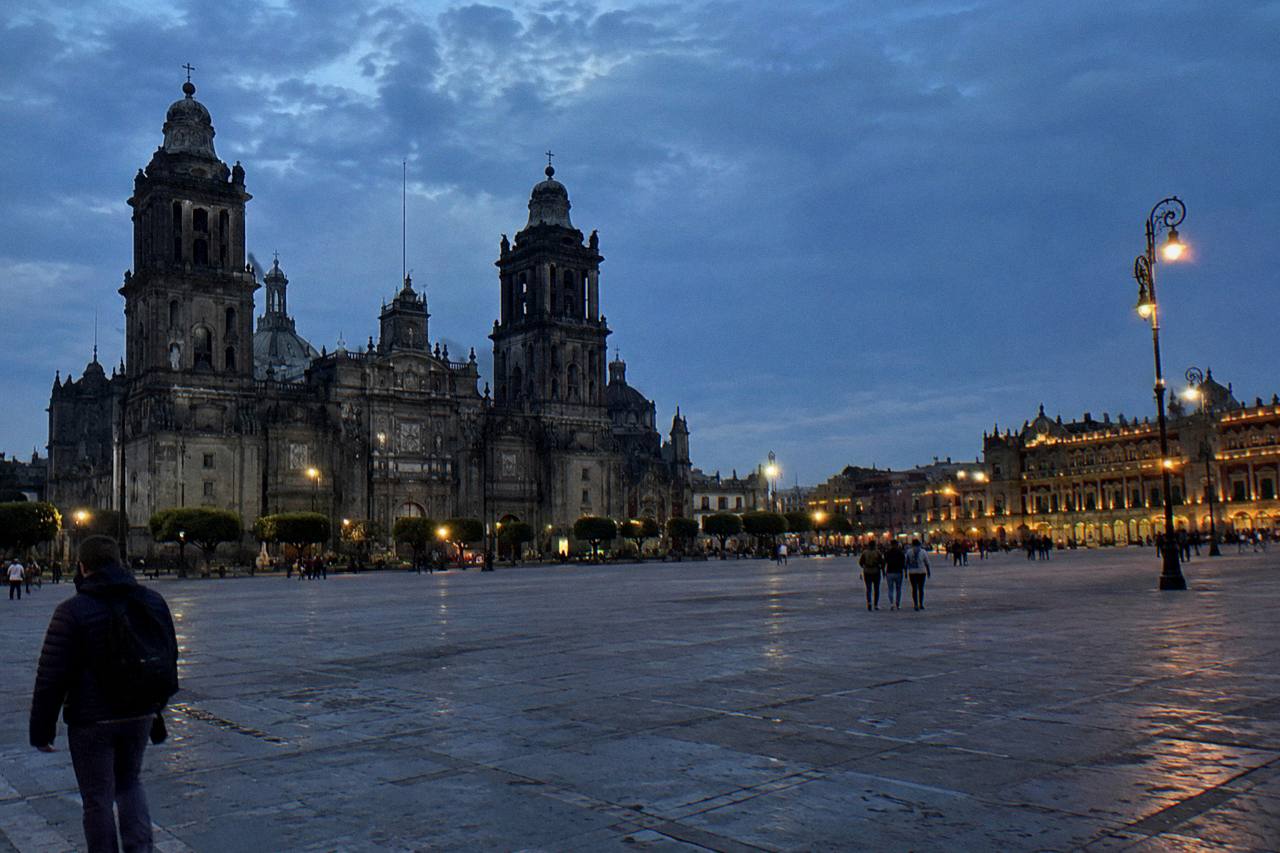
The free visit starts wherever the venue or plaza puts you, and for the walking tours that frame these neighbourhoods, the meeting points are fixed and public: the Introduction and the Historian walks both meet at the main entrance of the Metropolitan Cathedral in the Zócalo, the Estación Historic Center Walk meets at the Metropolitan Cathedral, Zócalo, and the Reforma Essentials Walk meets in Zona Rosa at Triver Coliving, next to Café Delica. Every one of these is a pay-what-you-want walk, free to join with the guide tipped at the end.
For the venues themselves, the starting point is simply the entrance. Los Pinos sits inside the Chapultepec park complex, reachable as part of a wider Chapultepec day that pairs the free forest with the paid castle. The MUAC sits on the Ciudad Universitaria campus in the south. Plaza Garibaldi is an open square you walk into. None of these involves a ticket queue in the paid sense, though the free windows, especially Thursday evenings at the MUAC, are when everyone else arrives too.
The Zócalo works as the anchor for a Centro Histórico day because so much converges on it. The Two-and-a-Half-Hour Introduction from Kactus, 4.82 out of 5 across 4,138 GuruWalk reviews, running 2 hours 30 minutes in English and Spanish, meets right there at Plaza de la Constitución, and it doubles as an orientation for the plaza programming described above. This site's Zócalo guide covers the square itself in more depth.
The Estación Historic Center Walk covers the same ground from a different angle, 4.83 out of 5 across 2,838 GuruWalk reviews over 2 hours in English and Spanish, meeting at the Metropolitan Cathedral, Zócalo. Between them, the Historic Center With a Historian walk from Free Tour Europe, 4.91 out of 5 across 1,360 GuruWalk reviews, adds German to the language list and runs 2 hours 15 minutes from the same plaza.
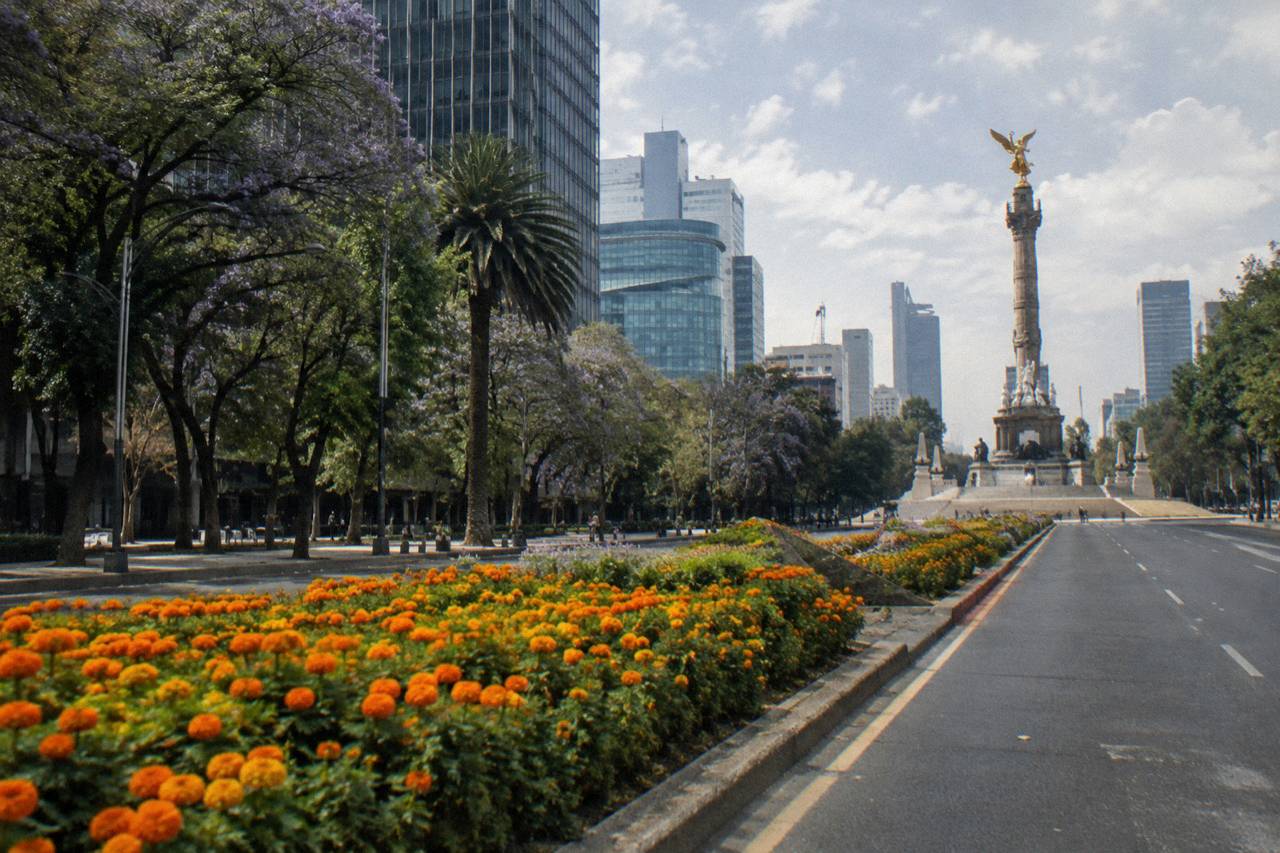
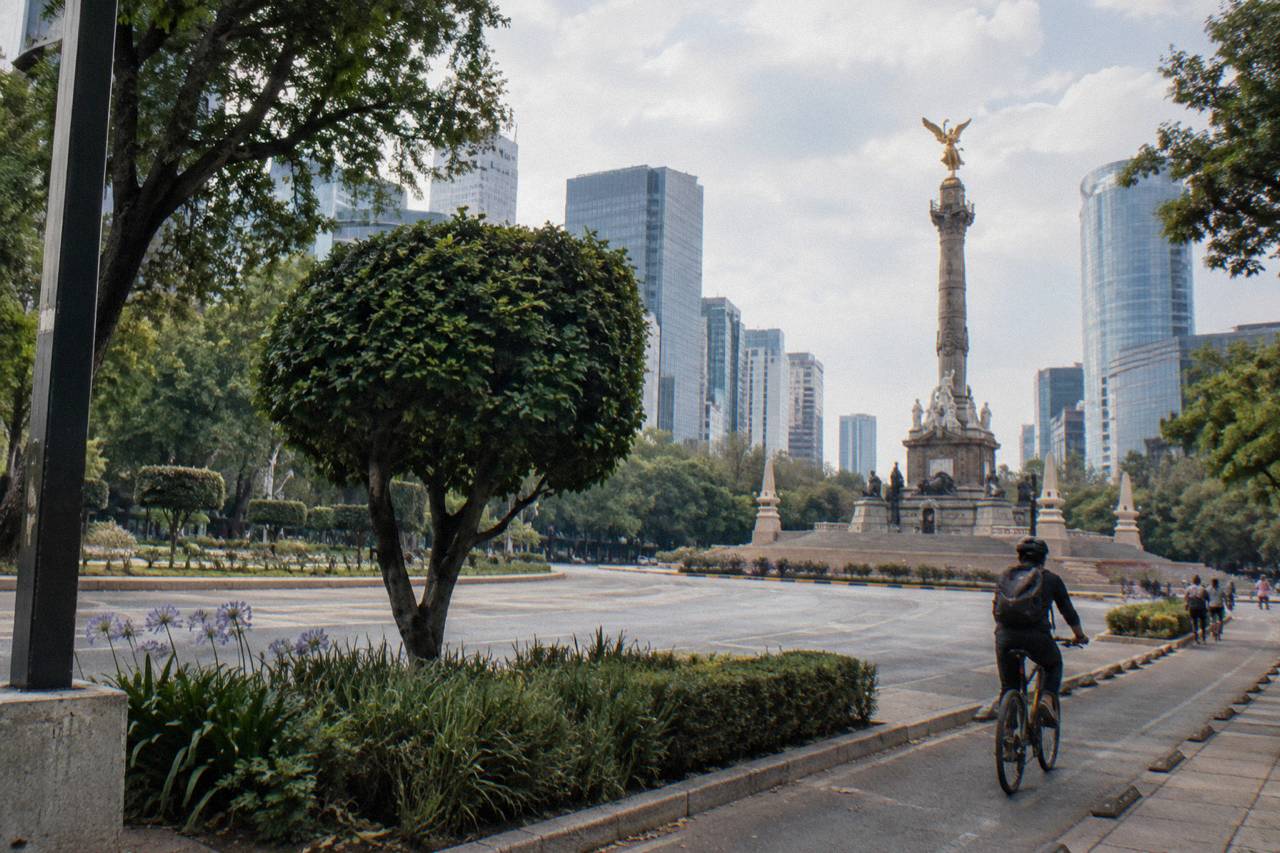
For the museum-heavy days, a walk that ends near the Chapultepec museums is the Reforma Essentials Walk, 4.84 out of 5 across 433 GuruWalk reviews, 2 hours in English and Spanish from Calle Florencia 39, Zona Rosa, threading the Ángel de la Independencia and Paseo de la Reforma before the park. The Chapultepec Castle and Lake walk, 8 out of 10 across 1,232 reviews on freetour.com, is listed there and meets at Paseo de la Reforma 132.
Which Free Walking Tours Cover This?
All 24 walks on this site are free, pay what you want, 21 of them on GuruWalk and the rest on freetour.com, and the Centro Histórico cluster meets in and around the Zócalo, the square where most free public programming happens. Each walk's own listing shows its route and stops, and none of them carries a price, only the tip at the end.
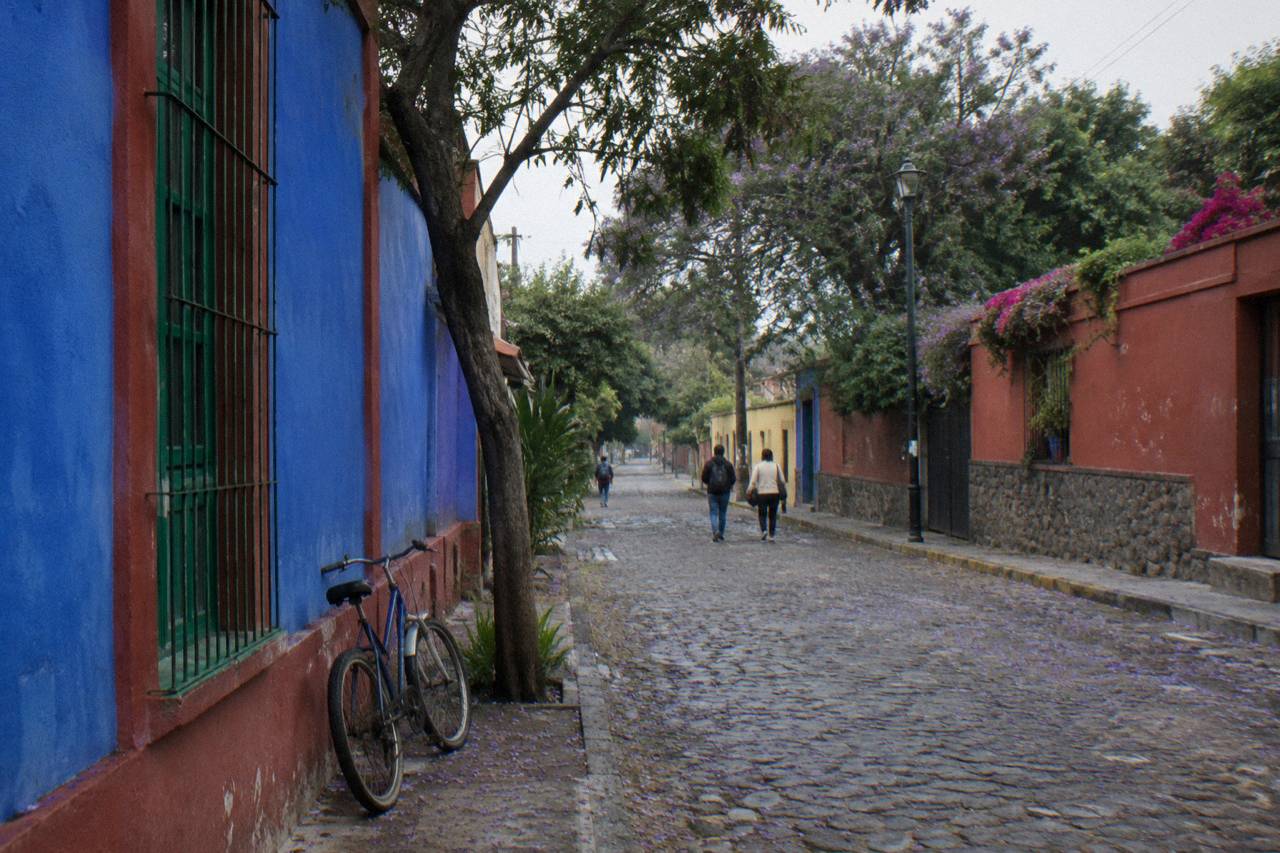
The neighbourhood fit matters more than the platform. For a music-and-plazas day in the centre, the walks meeting at the Zócalo put you in the square where the big free events happen. For Coyoacán, the Two-Hour Frida Neighborhood Walk from Estación, 4.84 out of 5 across 1,065 GuruWalk reviews, meets inside the Viveros / Derechos Humanos metro station, and the Frida, Markets and Urban Art walk from Axolotours, 4.9 out of 5 across 704 GuruWalk reviews, meets at Londres 247, Del Carmen, in front of the Frida Kahlo Museum, both in English as well as Spanish. The Coyoacán details, including the paid status of the Casa Azul, are in the Coyoacán guide.
| Walk | Platform | Meets at | Reviews and rating |
|---|---|---|---|
| Two-and-a-Half-Hour Introduction | GuruWalk | Plaza de la Constitución, Zócalo | 4.82 out of 5, 4,138 reviews |
| Estación Historic Center Walk | GuruWalk | Metropolitan Cathedral, Zócalo | 4.83 out of 5, 2,838 reviews |
| Trendy Roma and Condesa | GuruWalk | Avenida Cuauhtémoc 19, Roma Norte | 4.74 out of 5, 1,181 reviews |
| Two-Hour Frida Neighborhood Walk | GuruWalk | Eje 2 Poniente, Del Carmen | 4.84 out of 5, 1,065 reviews |
| Cable Car and Urban Art | GuruWalk | Bellas Artes | 4.82 out of 5, 511 reviews |
Two cautions on extras. The street-food and taco walks, the Street Tacos walk with a safety focus and the Street to Michelin Taco Tour, are pay what you want for the guiding while food is bought separately, and the same applies to the cable-car walk for the cable car itself and the Spanish-only Anthropology walk for museum entry. These are free walks with separate costs, never fully free outings. The Spanish-only walks, including the Coyoacán and Frida walk and the Anthropology Museum walk with Alondra Lizette, 4.95 out of 5 across 20 GuruWalk reviews, run in Spanish only.
For context on how the pay-what-you-want model works and what a fair tip looks like, the how free walking tours work explainer covers the mechanics, and the tipping guide puts numbers on it. Every walk listed on Free Things To Do In Mexico City is run by an independent local guide on GuruWalk or freetour.com, and this site neither operates walks nor is affiliated with either platform.
Mistakes That Trip People Up At Free Concerts
The four mistakes that cost people money or wasted evenings: assuming Sunday museum free entry applies to tourists at INAH museums, when it covers only Mexicans and foreign residents with ID; treating Noche de Museos as free when it charges standard or reduced prices; showing up at the Museo Tamayo on a Monday or without checking its installation closure notice; and planning a Monday museum day at all, since the major museums close that day. Each of these comes from merging regimes that the venues themselves keep separate.
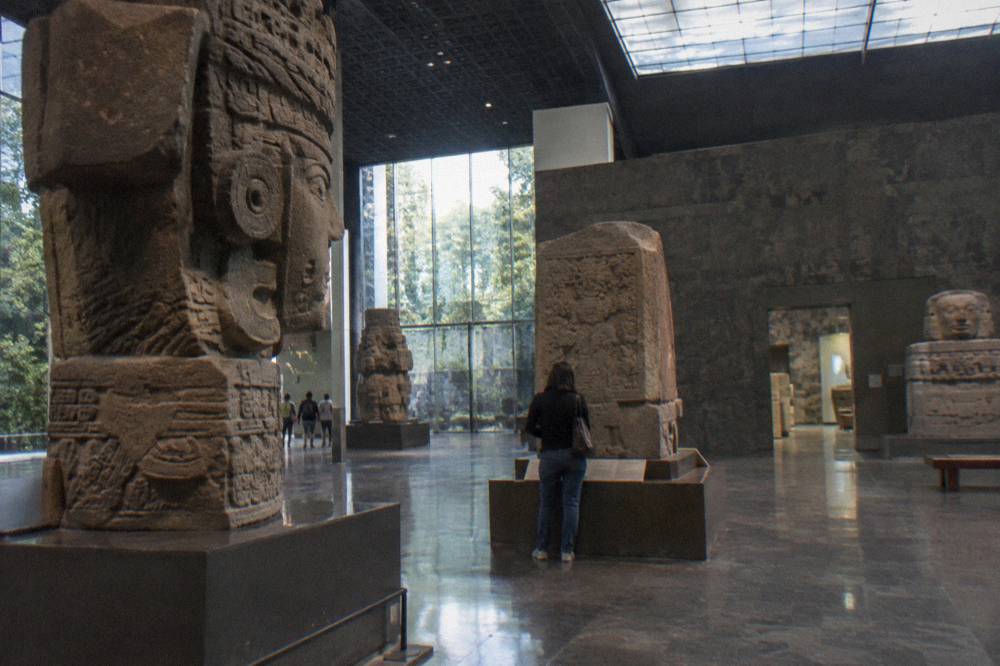
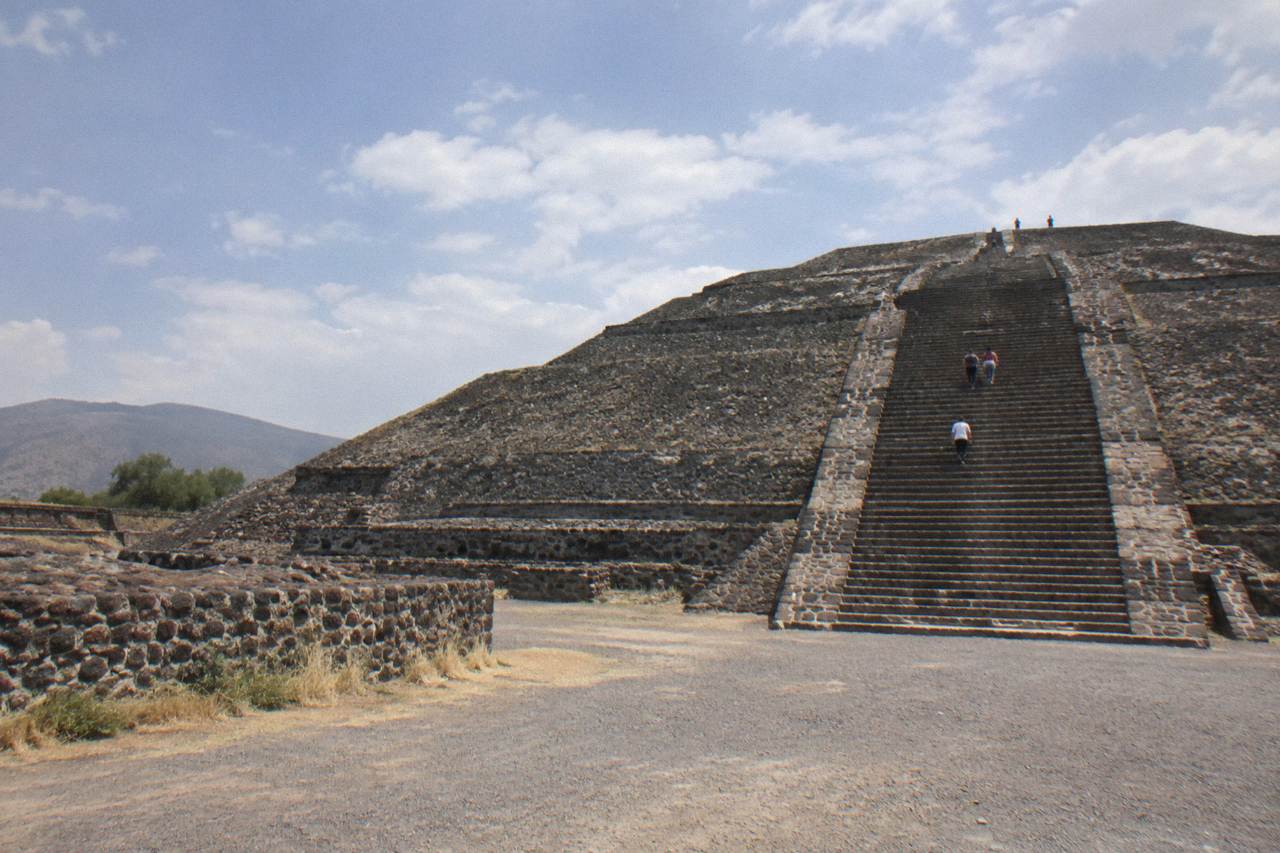
The INAH rule deserves the most care because it is the most often misstated. Sunday free entry at the Museo Nacional de Antropología, the Museo del Templo Mayor, the Castillo de Chapultepec, Tlatelolco and Teotihuacan covers Mexicans and foreign residents with ID. Foreign tourists pay, MXN 210 at the castle and MXN 155 at Tlatelolco. The Templo Mayor rule is worded carefully even between INAH's own pages, so the safe phrasing is Mexicans, and residents with ID per INAH policy, and no more.
The second mistake is treating anything labelled "noche" or "festival" as free by default. Noche de Museos is the clear case, paid at standard or reduced rates. The Zócalo Christmas festival for 2026 is unconfirmed in official sources, so do not build an itinerary around it. The Day of the Dead programming was free and public, but it has ended for this year and 2027 dates are not announced. The pattern to trust is the fixed one: plazas always free, Los Pinos always free, museum windows on their stated days.
The third mistake is forgetting that a free walk can carry paid parts, as covered above with the taco, cable-car and anthropology walks. And the fourth, the simplest one: budgeting zero for a day that ends up including a MXN 320 Frida ticket, a MXN 95 Bellas Artes ticket on a non-Sunday, or a paid mirador, because the free version of those places is the street level, not the interior.
Common Questions On This Topic
Are There Free Concerts In Mexico City?
Yes. Open public spaces including the Zócalo, Alameda Central and Plaza Garibaldi host free public programming and open-air music, the Complejo Cultural Los Pinos is free to enter, and museums such as the MUAC on Thursday evenings and the Chopo on Wednesdays price events inside their free windows. Commercial venues and arena shows stay paid.
Is the Complejo Cultural Los Pinos really free?
Yes. Los Pinos is free to enter, per its own official page, as a former presidential compound turned cultural complex with a rolling programme of exhibitions and performances. Check the complex's own calendar for what is scheduled during your visit.
Is Noche de Museos free?
No. Noche de Museos runs evening hours at standard or reduced prices, not free entry, for example MXN 60 at the Museo Memoria y Tolerancia. Treat it as a discounted evening event, not a free concert night.
Which museums are free on Sunday in Mexico City?
Bellas Artes, the Museo Tamayo and the Museo de Arte Moderno are free on Sundays for everyone. MUNAL and every INAH museum, including the Castillo de Chapultepec and the Museo Nacional de Antropología, are free on Sundays only for Mexicans and foreign residents with ID, not for tourists.
Can I see live music for free at Plaza Garibaldi?
Plaza Garibaldi is a free open public space and the historic home of live mariachi playing in the open square. Whether a group is performing when you arrive depends on the evening, so go for the square itself and treat any music as the bonus it is.
Do free walking tours include concerts or museum entry?
No. The 24 walks on this site are pay what you want for the guiding only, and walks that mention museums or food, such as the taco walks and the Anthropology Museum walk, carry separate costs for food, cable cars or museum tickets. The tip at the end is how the guide is paid.